GMC trailer sway control

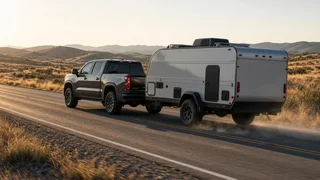
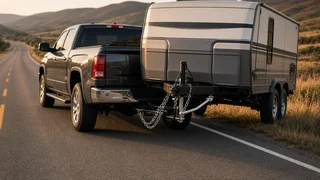
Trailer sway can turn a stable highway trip into a frightening fight with the steering wheel. GMC trailer sway control is an electronic assistance feature designed to identify the early yaw motion of a trailer and help bring the combination back in line. Unlike a simple brake controller, this system coordinates truck stability logic with targeted braking intervention. Understanding how it operates, what inputs it watches, and the limits of its authority gives a driver useful context before towing a travel trailer, boat, or enclosed utility chassis.
Essential answer
GMC trailer sway control is a stability-support feature that uses the vehicle’s existing StabiliTrak sensors to detect the side-to-side yaw pattern associated with a wagging trailer. When the system recognizes that the truck and trailer are oscillating, it can reduce engine torque and apply selective brake pressure at individual wheels. The goal is to pull the combination straight and reduce the energy feeding the sway cycle, rather than only warning the driver after the motion becomes severe.
Coverage and behavior vary by model, trim, and the original vehicle configuration. The feature is generally part of an integrated towing package, but the exact calibration and interface depend on the specific GMC platform and its electrical architecture. A light on the instrument cluster may indicate intervention or a system fault, and some setups allow the owner to disable the function for certain trailers. This is a driver aid, not a replacement for correct trailer loading, appropriate tongue weight, or staying within the stated gross vehicle weight rating, combined weight rating, and axle rating.