Gearbox preventive maintenance schedule
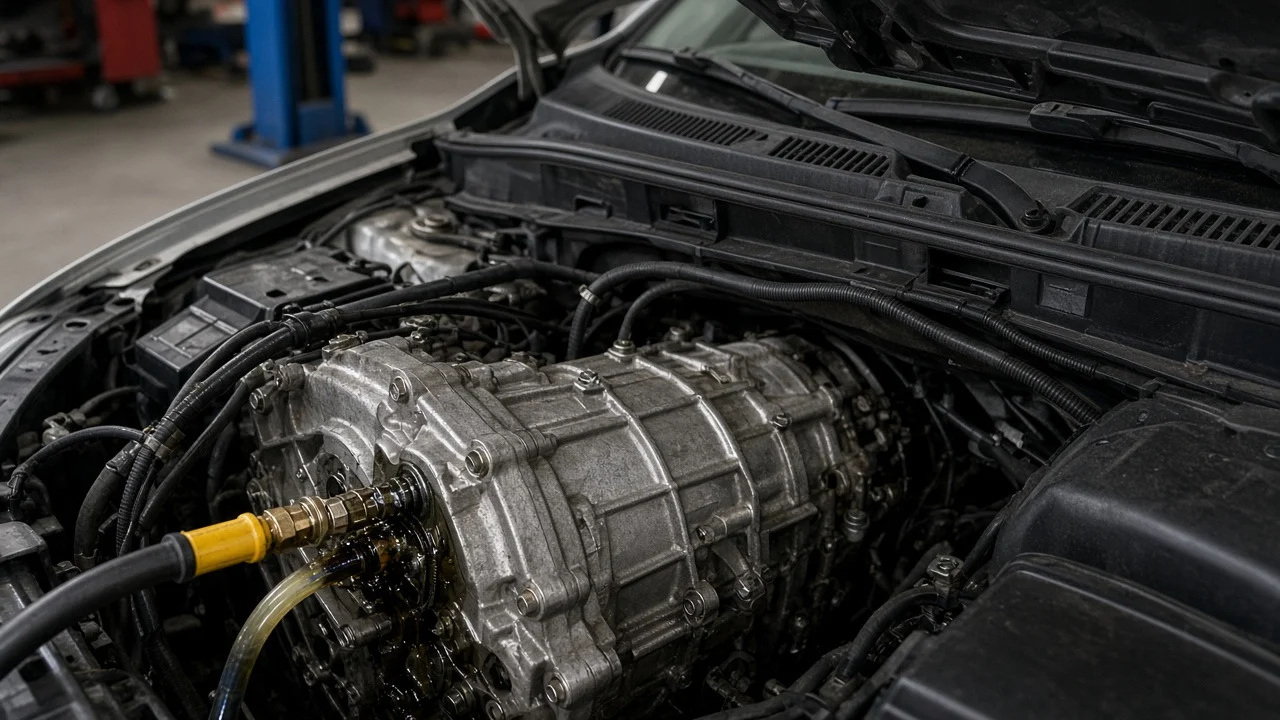
A gearbox preventive maintenance schedule helps owners replace transmission lubricant and inspect related components before wear and contamination create shifting problems. The plan is normally shaped by the manufacturer schedule, covering both time and mileage, and then adjusted for operating conditions such as towing, sustained high-speed driving, stop-and-go traffic, or mountainous routes. Because transmissions work hard while remaining easy to ignore, a written maintenance record turns an abstract service interval into a useful ownership habit. The goal is not simply to change fluid on a generic calendar, but to recognize when heat, load, and moisture require earlier attention than the baseline scheduled service items suggest.
Essential answer
A gearbox preventive maintenance schedule is an organized plan for inspecting the transmission, checking fluid level and condition, and replacing lubricant or filters at predictable intervals. It differs from repair work because it addresses wear, oxidation, and contamination before a fault appears. The owner’s manual typically provides the starting point, listing normal and severe-service recommendations based on time and mileage. However, the listed interval is only a baseline; a vehicle that frequently tows, climbs long grades, operates in dusty air, or endures repeated cold starts may need earlier attention because the transmission spends more time at elevated temperature.
The schedule should also account for how the vehicle is monitored between services. Checking the fluid when the transmission is at the specified temperature, inspecting for a burnt odor or darkened color, and watching for delayed engagement or unusual noise can reveal that a change is due ahead of the official mileage. A maintenance record adds context by showing whether the last service occurred under severe conditions or after a cooling-system repair that exposed the transmission to abnormal heat. In all cases, the plan is preventive because it aims to preserve clutch material, bushings, seals, and valve-body operation, not because it guarantees that a part will never fail.