Follow a Preventive Car Maintenance Schedule: What It Is and How to Use It
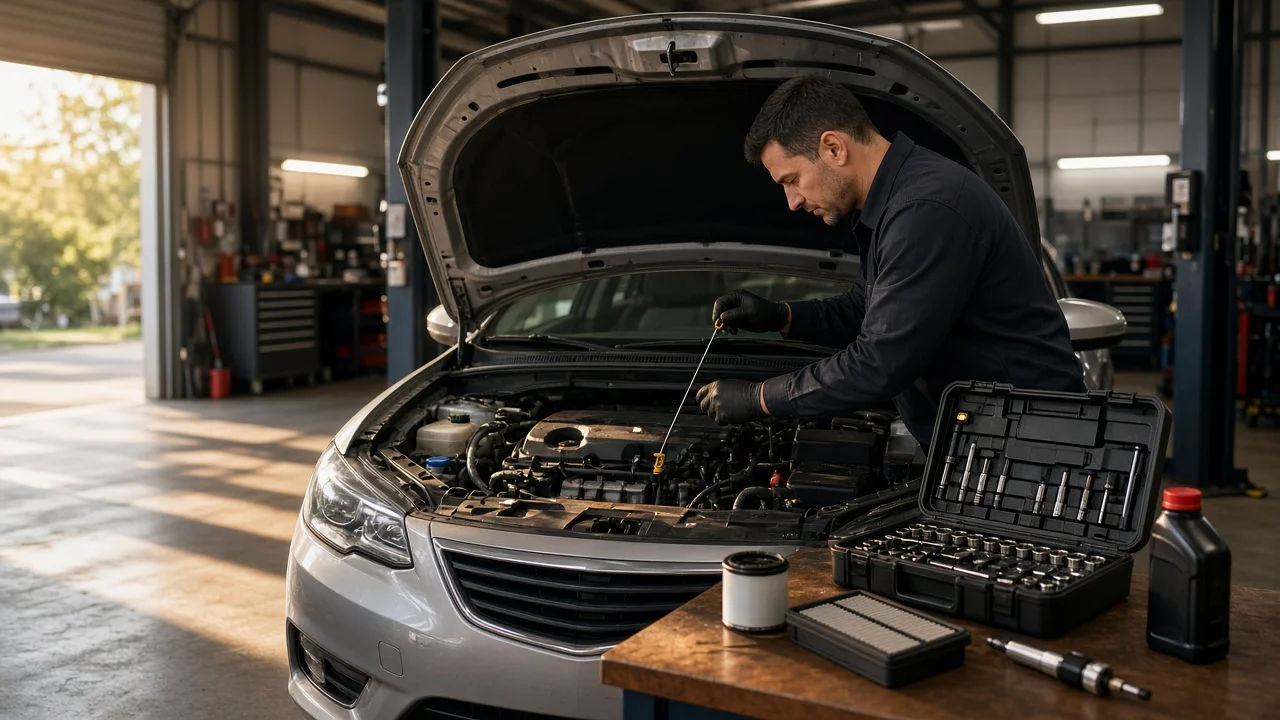
A preventive car maintenance schedule is a planned list of inspections, fluid changes and part replacements set at regular intervals, so problems are handled before they become breakdowns. The schedule your vehicle should follow comes from its manufacturer and is printed in the owner's manual or maintenance guide. It is tied to that specific model, model year, engine and transmission. General car maintenance recommendations are useful for understanding what each task does, but they do not replace the manufacturer schedule for your car. This guide explains how these schedules work, how they differ from repairs done after something fails, and how to decide when your car needs a service.
The short answer
Following a preventive maintenance schedule means doing scheduled service items at the time or mileage the manufacturer specifies, whichever comes first. You adjust that schedule for how and where you drive, and you keep a record of the work. The exact intervals vary widely between vehicles. A schedule for a modern turbocharged gasoline engine, a diesel truck, a hybrid and a battery-electric car can look very different. The intervals in your vehicle's own documentation are therefore the ones that count.
Preventive maintenance versus reactive repair
Reactive repair happens after a component fails or a warning light appears. Preventive maintenance is planned in advance, based on known wear patterns. Engine oil breaks down, filters clog, brake pads wear thin and coolant loses its protective additives over time, and none of this depends on whether anything feels wrong. Scheduled service replaces or checks these items while they still work. That usually costs less and causes less disruption than fixing the damage a neglected part can cause.
Preventive car care also includes inspections. Many service visits replace nothing at all. A technician looks at belts, hoses, brakes, suspension parts, tires and fluid condition, and flags items that are approaching their limits. An inspection can catch a problem that a fixed replacement interval would miss.
How service intervals are set: time and mileage
Most manufacturer schedules give each task two limits: a distance and a period of time. The service is due when the car reaches either one first. Time matters because some materials age even when the car is rarely driven. Oil and brake fluid absorb moisture or degrade, rubber parts harden, and batteries lose capacity. A car that covers few miles a year can still need service based on the calendar.
Many newer vehicles also have an oil-life or maintenance-reminder system. These systems estimate when service is due from driving data such as engine revolutions, operating temperature and trip length, rather than a fixed number. Where your vehicle has one, the owner's manual explains how it relates to the printed schedule and whether any items still follow fixed intervals.
Normal versus severe operating conditions
Many manufacturers publish two schedules: one for normal driving and one for severe or special operating conditions. Severe service usually calls for shorter intervals on certain items. The conditions that commonly qualify include:
Frequent short trips where the engine does not fully warm up; Extended idling or stop-and-go city traffic; Towing a trailer or carrying heavy loads; Driving on dusty, gravel or unpaved roads; Very hot or very cold climates; Mountainous or hilly terrain; Commercial use such as delivery or ride-hailing
Many everyday drivers meet at least one of these conditions without thinking of their driving as severe. Compare your actual use against the definitions in your manual, and follow the severe schedule if it fits. The opposite mistake also costs money. Servicing far more often than the manufacturer recommends, without a specific reason, rarely adds protection.
Common scheduled service items
The specific car maintenance tasks and their intervals depend on the vehicle. The items below appear on most schedules for conventional gasoline and diesel cars. Hybrids share many of them. Electric vehicles skip engine-related work but keep tasks such as tire, brake, cabin filter and coolant care.
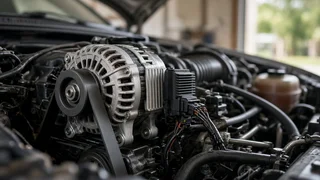
Engine oil and oil filter: lubricate and protect the engine; among the most frequent scheduled items on combustion engines; Tire rotation, pressure and tread checks: even out wear and keep handling and braking predictable; Brake inspection: pads, rotors, lines and fluid condition; brake fluid is often replaced on a time basis; Engine air filter: keeps dust out of the intake; Cabin air filter: filters the air entering the passenger compartment; Coolant: protects against overheating, freezing and internal corrosion; Transmission fluid: interval and even whether it is serviceable vary by transmission type; Spark plugs: replaced at long intervals on many modern gasoline engines; Drive belts and timing belt: timing belt replacement is a major scheduled item on engines that use one; engines with timing chains usually do not have a fixed replacement interval; Battery and charging system: tested for condition, especially as the battery ages; Wiper blades and lights: simple items that affect visibility and safety; Suspension, steering and exhaust: inspected for wear, leaks and damage
Reading a car mileage maintenance chart
A maintenance chart, in an owner's manual or a dealer handout, usually lists mileage or time milestones across the top or down the side, with marks showing which tasks fall at each one. The structure below shows how these charts are typically organized. Real intervals must come from your vehicle's own chart, so this example uses general frequency tiers instead of mileage figures.
Frequency tier | Typical tasks | Notes; Regularly, such as monthly or at fill-ups | Tire pressure, fluid levels, lights, wipers | Quick owner checks; no tools usually needed; Each oil service | Oil and filter change, tire rotation, multipoint inspection | Interval set by the manufacturer or the oil-life monitor; Periodic milestones | Air and cabin filters, brake fluid, coolant check | Often listed every few oil services or on a time basis; Major milestones | Spark plugs, transmission fluid, coolant replacement, timing belt where applicable | Usually higher-cost visits; confirm exact items in your manual; As needed by inspection | Brake pads, tires, battery, belts, hoses | Replaced based on measured wear or condition
Owner checks between services
Some essential car maintenance does not need a shop. Simple routine checks help you notice changes early and give a technician useful information:
Check tire pressure when tires are cold, using the figure on the driver's door jamb placard rather than the maximum printed on the tire; Look at tread depth and for uneven wear, bulges or embedded objects; Check engine oil level on vehicles with a dipstick, following the manual's procedure; Confirm coolant, brake fluid and washer fluid are within marked ranges, and do not open a hot cooling system; Walk around the car to check that all exterior lights work; Note any new noises, vibrations, smells, leaks or changes in braking or steering feel
Signs your car needs service before it is due
A schedule sets a baseline, but symptoms take priority over the calendar. Your car needs a service sooner than planned if you notice any of the following:
A warning light on the instrument panel, especially oil pressure, temperature, brake or charging warnings, which can call for stopping promptly; Grinding, squealing or a soft or sinking brake pedal; Overheating or a temperature gauge reading higher than usual; Fluid puddles under the car; Rough idle, hesitation, misfires or a noticeable drop in fuel economy; Pulling to one side, steering vibration or uneven tire wear; Slow cranking or difficulty starting; A maintenance reminder message on the dashboard
Keeping a maintenance record
A maintenance record is the written history of every service performed on the vehicle. It should include the date, the mileage, the work done, the parts and fluids used, and who did the work. A complete record helps you see what is coming due. It can support a warranty claim by showing the required maintenance was done, and it gives buyers confidence when you sell the car. In the US, routine maintenance does not generally have to be done at a dealer to keep a new-car warranty intact. Keeping receipts and records matters most when the work is done elsewhere or by yourself.
A record can be a paper folder of receipts, a simple spreadsheet, or a notes app. Some vehicles and service providers also keep digital histories. Whatever the format, record the mileage at every service so you can compare it with the schedule.
Dealer, independent shop or DIY
Who performs your car maintenance work is a matter of cost, convenience and skill. Dealers have model-specific training and equipment. Independent shops often cost less and can be equally capable. Many owners handle simple tasks such as filters and wiper blades themselves. Whoever does the work, use parts and fluids that meet the specifications in your owner's manual, such as the required oil viscosity and approval standard. Be cautious when a shop recommends services that do not appear on the manufacturer schedule. Ask what problem the service addresses and whether an inspection found a specific need.
How to set up your own schedule
Find the maintenance schedule for your exact model year, engine and transmission in the owner's manual or maintenance guide; Decide whether your driving fits the normal or severe operating conditions definition; Note your current mileage and the date of the last known service for each item; List upcoming scheduled service items with both their time and mileage limits; Set reminders based on whichever limit you expect to reach first, or follow the vehicle's maintenance reminder system; Record every service as it is completed; Review the plan when your driving changes, such as a move to a different climate or starting to tow
The essential point is simple: the manufacturer's schedule for your specific vehicle is the foundation, how you actually drive determines which version of it applies, and a consistent record keeps the whole plan on track.