Gearbox Preventive Maintenance Schedule: What to Service and When
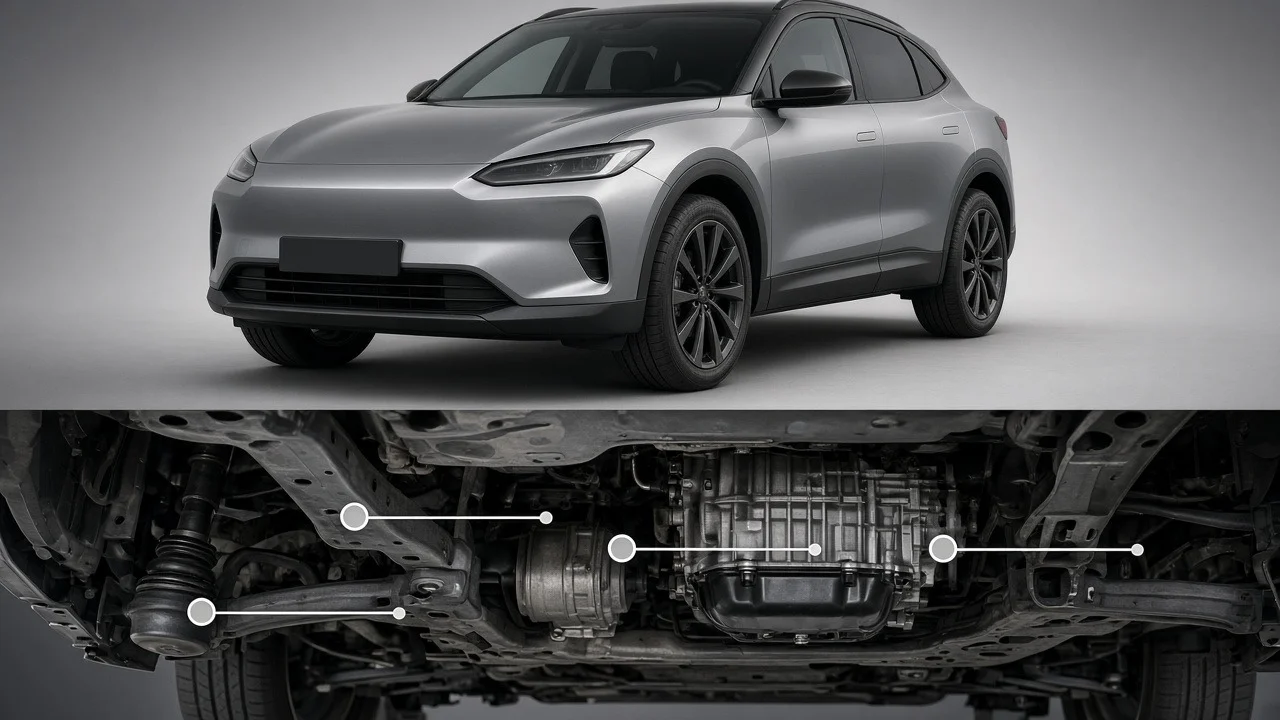
A gearbox preventive maintenance schedule is the set of planned checks and services that keep a transmission's fluid, seals, and related parts in good condition before a failure occurs. The short answer: there is no universal interval. The correct schedule depends on the transmission type (manual, conventional automatic, CVT, or dual-clutch), the specific model year and powertrain, and how the vehicle is driven. The manufacturer's schedule for your exact vehicle is the baseline, and operating conditions decide whether you follow its normal or severe-service column.
What gearbox preventive maintenance actually covers
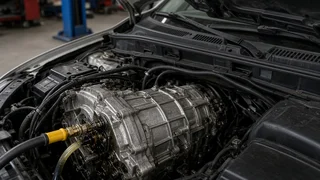
Most gearbox maintenance revolves around the fluid. Transmission fluid lubricates gears and bearings, carries heat away, and in automatics also acts as the hydraulic medium that applies clutches and bands. Over time, heat breaks fluid down and wear particles accumulate in it. Preventive maintenance aims to replace or top up that fluid at the right time and to catch leaks, damaged mounts, or linkage problems while they are still minor repairs.
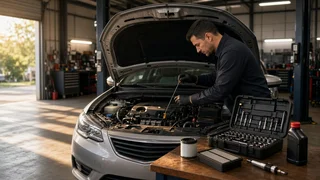
Typical scheduled service items for a gearbox: • Fluid level and condition check (color, smell, signs of contamination); • Fluid drain-and-fill or full fluid exchange at the specified interval; • Filter or screen replacement, where the transmission has a serviceable filter; • Pan gasket or drain plug washer replacement during fluid service; • Inspection for leaks at seals, cooler lines, and the pan; • Inspection of transmission and engine mounts; • Shift linkage or cable adjustment and condition check; • Clutch operation and hydraulic fluid check on manual transmissions; • Software updates or adaptive relearn procedures, when the manufacturer specifies them
How the schedule differs by transmission type
Each gearbox design has different maintenance needs, so a schedule written for one type does not transfer to another. Always confirm which transmission your vehicle has, because the same model can be offered with different units across model years, trims, or engine options.
Transmission type | Main maintenance focus | Notes; Manual | Gear oil changes, clutch hydraulic fluid, clutch wear, linkage | Uses gear oil or manual transmission fluid rather than ATF in many cases; the correct fluid type matters for shift quality and synchronizer life; Conventional automatic | ATF changes, filter or screen, pan gasket, cooler lines | Some units have a dipstick; many newer ones are sealed and require a specific fill procedure at a set fluid temperature; CVT (continuously variable) | CVT-specific fluid changes, cooler condition | Requires dedicated CVT fluid; using generic ATF can damage the belt or chain and pulleys; Dual-clutch (DCT) | Fluid changes, clutch pack wear, adaptation or relearn | Wet-clutch designs need periodic fluid service; dry-clutch designs have different requirements and may need clutch adaptation after service
Time and mileage: reading the manufacturer schedule
Manufacturer schedules usually express a service interval in both time and mileage, with the rule that you service at whichever comes first. A vehicle that is driven very little can still need fluid service because fluid ages and absorbs moisture even when the odometer barely moves. Check the owner's manual or the maintenance section of the manufacturer's owner resources for your exact model year and powertrain, since intervals can change between generations.
Some schedules describe transmission fluid as "lifetime" or omit a change interval under normal driving. That term generally reflects the manufacturer's expectation for the warranty or design period under ideal use, not a guarantee that the fluid never degrades. Many of those same schedules still list an inspection or a change interval under severe service. If your vehicle has a lifetime-fill transmission and you plan to keep it long term, discussing a periodic fluid service with a qualified technician is a reasonable, measured step.
Normal vs. severe operating conditions
Operating conditions are the biggest factor that shortens a gearbox service interval. Heat is the main enemy of transmission fluid, and many common driving patterns raise fluid temperature more than steady highway cruising does. Most US drivers meet at least one severe-service condition, so it is worth reading that section of the schedule rather than assuming the normal column applies.
Conditions commonly classified as severe service: • Frequent towing or hauling heavy loads; • Stop-and-go city traffic or extended idling; • Mostly short trips where the transmission rarely reaches full operating temperature; • Driving in very hot climates or mountainous terrain; • Dusty, unpaved, or off-road use; • Commercial use such as delivery, rideshare, or fleet driving
A practical way to build your own gearbox maintenance plan
1) Identify the exact transmission: confirm the type and, if possible, the unit designation for your model year, engine, and drivetrain. 2) Find the manufacturer schedule for that combination and note both the normal and severe-service intervals. 3) Decide honestly which column fits your operating conditions. 4) Confirm the specified fluid type; transmissions are sensitive to fluid specification, and the wrong fluid can cause shift problems or damage. 5) Add routine inspections, such as checking for leaks and fluid condition, to your regular oil-change visits. 6) Keep a maintenance record of every gearbox service, including date, mileage, fluid used, and whether a filter was replaced. 7) Reassess the plan if your use changes, for example if you start towing or move to a hotter climate.
Drain-and-fill vs. fluid exchange
A drain-and-fill removes the fluid that drains from the pan, while a significant portion stays in the torque converter, cooler, and valve body. A fluid exchange uses equipment to replace a larger share of the fluid. Neither method is universally better. Some manufacturers specify a particular procedure, and on high-mileage transmissions that have never been serviced, technicians often take a conservative approach. Follow the manufacturer's procedure where one is given, and ask the shop which method it uses and why.
Why the maintenance record matters
A complete maintenance record does three jobs. It shows when the next service is due, it supports warranty claims if a transmission problem arises, and it adds credibility when you sell the vehicle. For buyers of used vehicles, the absence of any transmission service history on a vehicle past its first major interval is worth asking about before purchase.
Signs the gearbox needs attention before its scheduled service
• Delayed, harsh, or slipping shifts; • Whining, grinding, or clunking noises; • Fluid spots under the vehicle, often red or brown for ATF; • Burnt smell or dark, gritty fluid on the dipstick where one exists; • Transmission warning light or stored fault codes; • Difficulty engaging gears or a clutch that feels different on a manual; Any of these signs means the gearbox should be inspected promptly rather than waiting for the next scheduled interval.
Bottom line
Preventive maintenance of a gearbox comes down to using the correct fluid, replacing it on the manufacturer's time and mileage schedule, choosing the severe-service interval when your operating conditions call for it, and inspecting for leaks and wear along the way. Because requirements vary by transmission type, model year, and powertrain, start from the manufacturer schedule for your exact vehicle, keep a clear maintenance record, and treat unusual shifting or noises as a reason to inspect early.