Fuel Wheels Offset and Offset Stamp
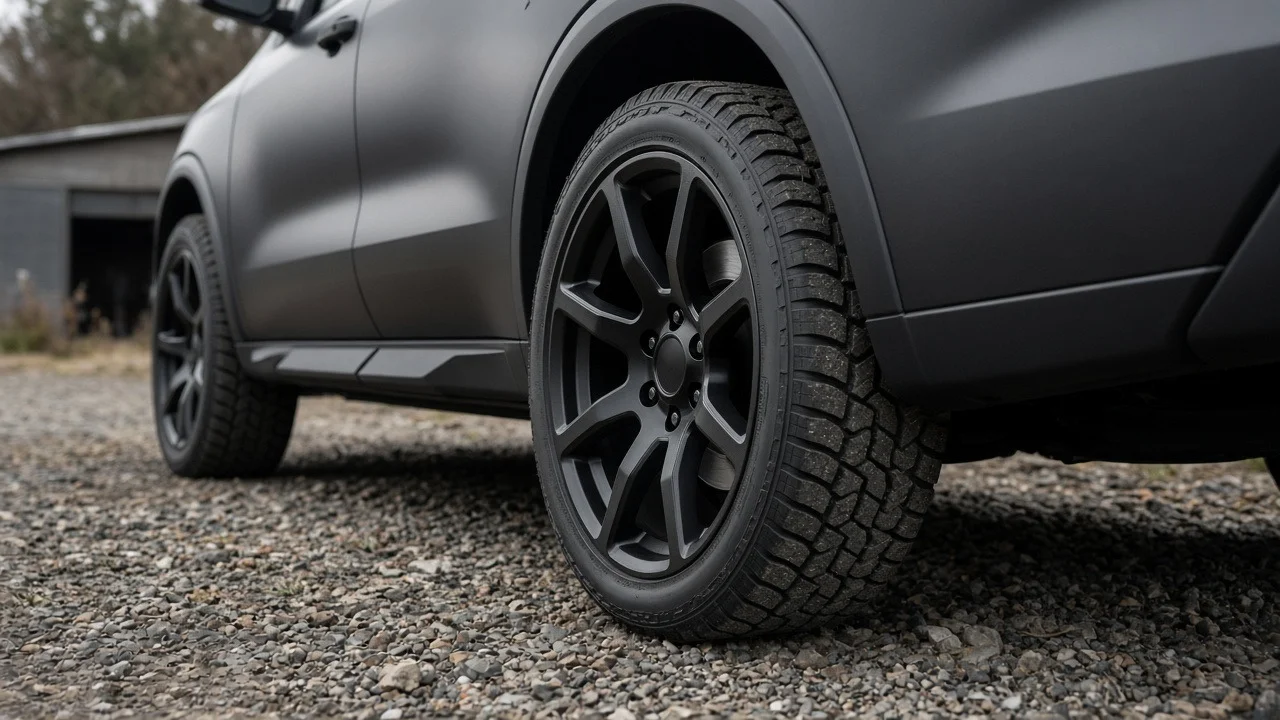
Fuel wheel offset describes where the mounting pad sits relative to the true centerline of the wheel. When a driver researches a Fuel off-road wheel or any cast aftermarket wheel, that number changes steering feel, suspension clearance, and how the tire sits under the fender. The offset stamp on the wheel is a short identification mark, but its meaning is not always obvious. A small positive, negative, or zero value can alter brake caliper room and track width, so reading the marking correctly matters before a purchase or fitment check.
Essential answer
The essential answer is that fuel wheel offset identifies the relationship between the wheel's mounting face and its centerline. A stamp such as +1, -12, or 0 is a dimension, not a style or load rating. Positive offset pushes the tire inward toward the suspension. Negative offset moves the tire outward and creates a wider stance. Zero places the mounting surface directly on the wheel's true centerline. Because the stamp is often small and grouped with rim diameter, rim width, and bolt pattern, a buyer should not guess the value from a photo alone.
The offset stamp becomes useful when confirming tire compatibility and clearance. A wheel with an aggressive negative offset may clear a lifted truck fender at ride height but still contact the fender lip during suspension compression or steering. Meanwhile, a high positive offset can reduce fender poke but may pull the tire toward a control arm or strut. Since Fuel wheels are offered in several widths and vehicle-specific builds, the same stamped offset can fit differently when paired with a wider rim. The stamp is therefore a starting point for measurement, not a guarantee of clearance on every truck or SUV.