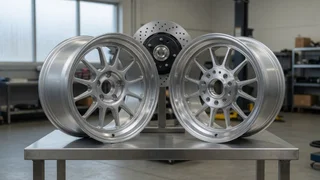
Concave Wheels and Offset
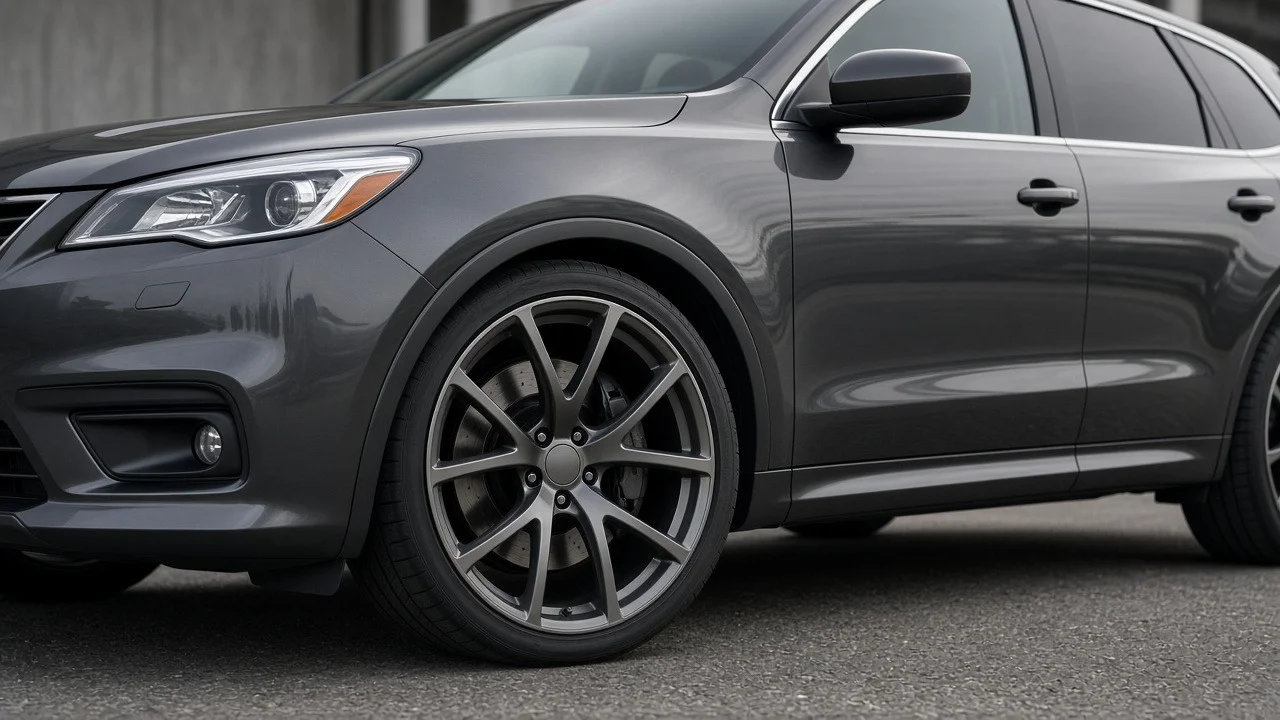
Choosing a wheel is rarely only about appearance, but concave designs make the connection between style and fitment especially direct. A deep center profile changes how the spokes reach the rim, and that shape interacts with the mounting face location. For drivers comparing a concave wheel offset, the key is understanding that the sunken center and the offset number work together to determine where the tire sits inside the wheel well. The result affects not just the stance, but also steering feel, suspension clearance, and whether a given rim width can work with the vehicle’s bolt pattern and bodywork.
Essential answer
Concave wheels are built with a center section that drops inward from the outer lip, creating a dished or recessed look. Offset is the measured distance between the wheel’s mounting face and the centerline of the rim. A concave wheel offset therefore describes how far the hub mating surface sits from that centerline when the face is pulled inward. This relationship decides whether the tire and rim move toward the suspension or toward the fender. Without the correct offset, even a wheel that bolts up can contact a strut, brake component, or fender lip during suspension travel.
The deep profile requires enough rim width and a spoke shape that can arch backward toward the barrel. That is why concave wheels with aggressive low offsets tend to push the tire outward and create a wider track. A higher positive offset positions the tire closer to the vehicle centerline, which can suit narrow wheel wells but may reduce the visual depth of the concave face. For any vehicle, rim diameter and rim width combine with the offset to define tire compatibility and clearance, so the essential answer is that the concave shape is not separate from offset; the two must be evaluated as one package.