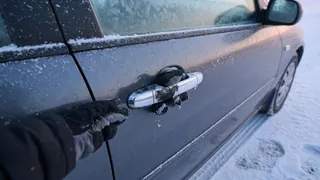
Frozen Car Door Seals
A door that will not release on a cold morning is usually held by ice, not a broken latch. Moisture settles in the rubber weatherstrip, freezes when temperatures drop, and creates a temporary bond between the door and the body. For readers researching “frozen car door seals,” the essential issue is restoring entry without damaging the trim or glass fitment. Seal condition, recent rain or car washing, and parked position all influence whether water ingress becomes a hard, brittle connection. The following explanation covers why this happens and how to approach the frozen seal without forcing the handle.
Essential answer
A frozen car door is most often the result of water trapped between the flexible weatherstrip and the painted door frame. When the temperature falls below freezing, that thin layer becomes ice. The rubber does not need to be defective; even healthy seals can hold moisture from rain, snow, or condensation. This interferes with visibility of the door edge and makes the handle feel as though the latch has failed, when the actual obstruction is at the perimeter of the opening.
The direct answer matters because pulling harder can tear the seal or disturb glass fitment. Ice acts as an adhesive across a large contact surface, so a small frozen patch can create surprising resistance. Checking the condition of the rubber, the angle of the parked vehicle, and whether snow has blocked the lower gap helps separate a simple freeze from a binding latch. Most cases resolve once the ice is released and the seal surface is dried.