Frozen Car Door Locks: How to Restore Access
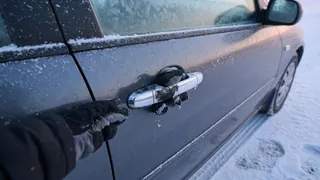
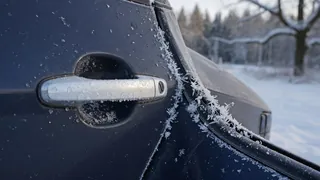
When a car door keyhole is frozen, the fastest safe fix is to try another way in first, such as the remote, another door or the trunk. If that fails, thaw the lock cylinder gently with a lock de-icer or mild warmth, then insert and turn the key slowly without forcing it. Avoid boiling water, open flames and heavy force. Those methods can crack glass, damage paint or electronics, or snap the key inside the lock. The right approach depends on what is actually frozen: the keyhole, the internal lock mechanism, or the rubber seal around the door.
First, identify what is frozen
Freezing can stop a door from opening in several different places, and each one calls for a slightly different fix. The lock cylinder is the part your key goes into. The latch is the mechanism inside the door that grips the striker on the body. The actuator is the small electric motor that locks and unlocks the door when you press the remote. The weather seal is the rubber strip around the door opening that keeps out water and wind.
Symptom | Likely cause | Where to focus; Key will not go in, or goes in but will not turn | Ice inside the lock cylinder | Keyhole; Remote unlocks, but the handle feels loose or does nothing | Frozen latch or linkage inside the door | Latch mechanism; You hear the remote but the lock knob or pin does not move | Frozen or sluggish lock actuator | Actuator and linkage; Door unlocks, but will not pull away from the body | Weather seal frozen to the door frame | Door edges and seal; Handle will not move at all | Ice around or behind the exterior handle | Handle area
Before you start
Try every alternative entry point before working on a frozen lock. Press the remote unlock button, try each door, and check the trunk or rear hatch. Doors on the side that faced the sun or away from the wind are often less iced. If you get into any part of the car, you may be able to unlock the other doors from inside and warm the cabin, which helps thaw the remaining locks from within.
If your vehicle has remote start and you use it to warm the car, only do so outdoors. Never run the engine in a closed garage or enclosed space, because exhaust gases build up quickly and can be deadly.
Useful equipment
Commercial lock de-icer (alcohol-based spray made for automotive locks); Alcohol-based hand sanitizer, as an improvised substitute for de-icer; A hair dryer and an outdoor-rated extension cord, if mains power is safely within reach; A plastic ice scraper or a soft plastic card; A dry cloth or paper towels; A lubricant suitable for lock cylinders, as recommended in your owner's manual, for use after thawing
How to thaw a frozen car door keyhole
1) Clear the surface. Brush away snow and gently scrape ice from around the keyhole and handle with a plastic scraper. Do not chip at the lock with metal tools, which can scratch paint and damage the cylinder face. 2) Apply lock de-icer. Insert the nozzle into the keyhole and spray according to the product directions. The alcohol lowers the freezing point of the trapped water and melts the ice. Wait briefly before trying the key. 3) Use hand sanitizer if you have no de-icer. Apply a small amount to the key blade, or work some into the keyhole, then insert the key gently. Wipe away any excess from the paint afterward. 4) Insert the key slowly. Push it in only as far as it goes freely. If it stops partway, withdraw it, apply more de-icer and wait again. 5) Turn gently. Rock the key back and forth with light pressure. If it does not move, stop. Twisting harder is the most common way keys bend or snap in a frozen lock. 6) Repeat if needed. Several applications may be necessary when ice is packed deep inside the cylinder.
Warming the key: use caution
Warming a plain metal key in your hand or with warm breath can help melt a thin layer of ice. Do not heat a key with a lighter or match. Many modern keys contain a transponder chip or remote electronics in the head, and heat can damage those components or the plastic housing. A key that no longer communicates with the immobilizer may leave you able to open the door but unable to start the car. Smart keys and key fobs with a hidden emergency blade should not be heated at all.
Using a hair dryer
A hair dryer on a warm setting, held a short distance from the lock, can thaw ice gradually. Keep the airflow moving rather than concentrating heat on one spot, and avoid aiming it directly at cold window glass. Only use mains-powered equipment with a cord rated for outdoor use, and keep connections out of snow and standing water.
When the lock mechanism itself is frozen
If the key turns or the remote unlocks the car but the door still will not open, the ice is likely deeper inside the door, around the latch, the actuator or the rods and cables that connect the handle to the latch. De-icer sprayed into the keyhole rarely reaches these parts.
1) Unlock the car and leave it unlocked while you work, so the mechanism is not cycling against ice. 2) If you can get in through another door, start the engine outdoors and run the heater with the cabin warming up. Heat from inside the car gradually reaches the door mechanisms. 3) Gently operate the exterior handle a few times as the cabin warms. Do not yank it, because handles and their internal clips can break in the cold. 4) If the remote clicks but the lock pin does not move, give the actuator time to warm up. Repeated pressing on a frozen actuator can strain the motor. 5) Once the door opens, check that it also latches securely when closed. Shut it firmly and confirm it stays closed when you pull the inside and outside handles in the locked position.
Do not drive with a door that will not latch fully. A door that is held only by a partially engaged latch can open while the vehicle is moving. If the latch stays frozen open or will not catch the striker, keep the car parked and warm it further, or have it serviced.
When the door is frozen shut by the seal
If the door unlocks but will not pull away from the body, the rubber weather seal has likely frozen to the frame. Push firmly on the door toward the car in several places around its edge to crack the ice, then pull the handle again. You can also apply de-icer along the gap between the door and body. Avoid prying with screwdrivers or metal tools, which can tear the seal and chip paint. A torn seal can let in water, which makes future freezing worse.
Methods to avoid
Hot or boiling water: it can crack cold glass, and water that runs into the lock or door will refreeze, often worse than before. Open flames on the lock, door or key: risk of paint damage, melted plastic and burned electronics. Forcing the key: keys can bend or break off inside the cylinder. Prying the door open: this can damage the weather seal, the door edge and, in severe cases, door alignment. General-purpose oils or greases not intended for locks: some attract dirt and grit, or thicken in the cold, making the lock stiffer over time.
How to confirm the problem is fixed
The key inserts fully and turns smoothly in both directions without excessive pressure. The remote locks and unlocks every door, and the lock pins or indicators move as expected. The exterior and interior handles open the door normally. The door closes and latches securely, with no warning light or chime for an open door. The weather seal is intact, without tears or sections pulled out of place.
After thawing, dry the keyhole area and door edges with a cloth. Moisture left in the cylinder can refreeze overnight. Once dry, a small amount of lubricant recommended for lock cylinders in your owner's manual can help displace remaining moisture and keep the mechanism moving.
When to get professional help
Contact a locksmith, dealer or qualified repair shop if the key breaks off inside the lock, if the key still will not turn after the lock is fully thawed, or if the door will not latch closed. Also seek service if the remote no longer locks or unlocks a door after warming up, which can indicate a damaged actuator or linkage, or if the key no longer starts the car after exposure to heat. Repairs inside the door panel involve clips, wiring and, on many vehicles, side airbag components, so they are best left to someone familiar with your specific model. Replacement lock parts and keys also need to match your exact vehicle fitment, including model year and trim.
Preventing frozen door locks
Park in a garage or covered space when possible, or angle the car so the doors face away from prevailing wind. Keep a can of lock de-icer in your coat, bag or home, not in the glovebox, where it is out of reach if the doors freeze. Treat rubber weather seals with a silicone-based seal conditioner before cold weather to help stop them bonding to the frame. After washing the car in winter, dry the door edges, seals and keyhole area before parking it in freezing conditions. Use a car cover or a small keyhole cover in areas with freezing rain. If a door or lock is consistently slow, have the latch, actuator and door alignment checked before the coldest part of the season, since a door that sits unevenly can let in more water.
Similar care applies to the trunk or rear hatch. Liftgates that rely on gas struts may also open more slowly or sag in extreme cold, which is normal for many struts and separate from a frozen latch. If a hatch will not stay up after warming, the struts may need inspection.