Ford Ranger Radiator Cap Pressure
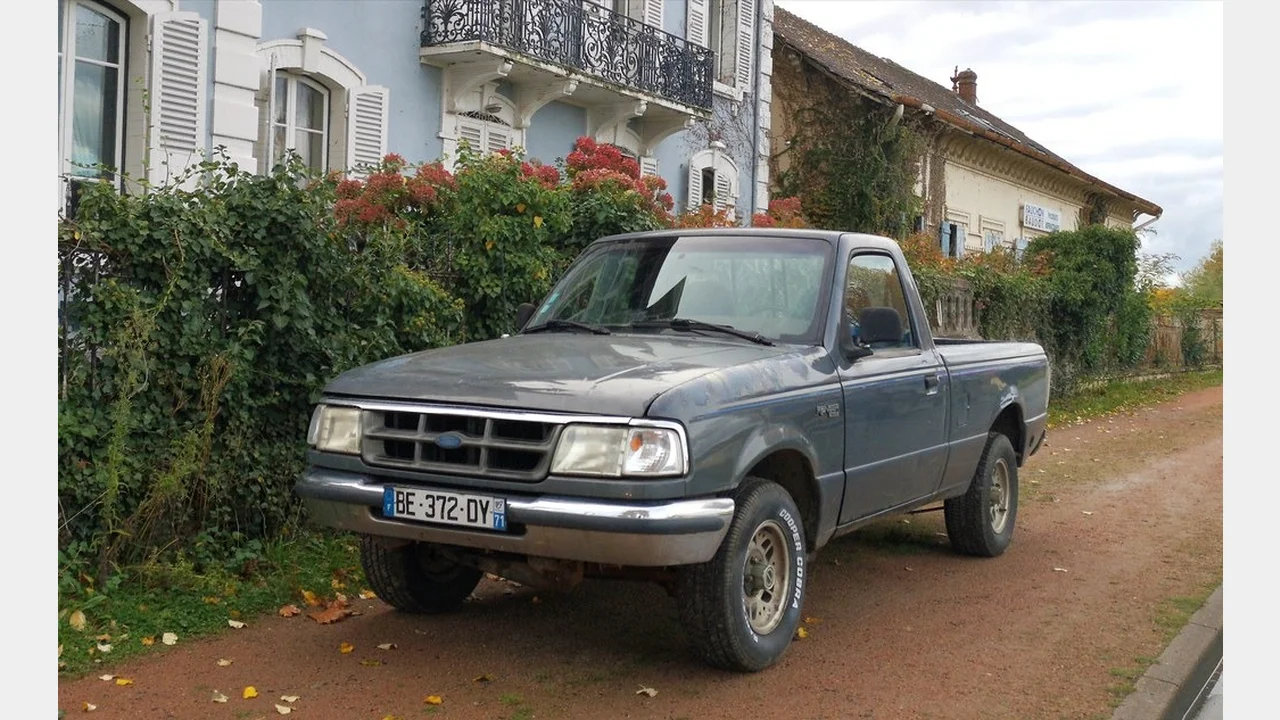
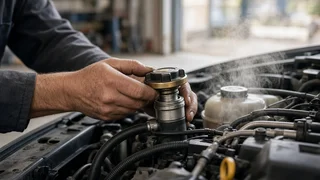
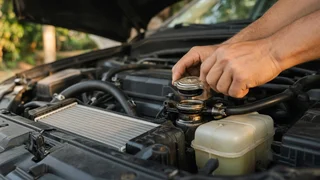
Ford Ranger radiator cap pressure is one of the least visible parts of cooling system health, yet it directly shapes how the engine manages heat. The cap is not simply a lid; it is a calibrated valve that raises the boiling point of the coolant inside the cooling circuit. For owners noticing temperature fluctuations, weeping around the filler neck, or collapsed hoses after shutdown, understanding this component helps separate normal behavior from a failing pressure cap. The correct cap rating must match the Ranger’s radiator and cooling system design, so a replacement is never chosen by appearance alone.
Essential answer
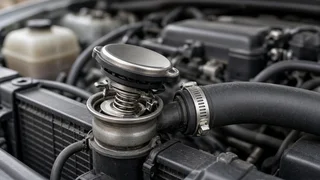
The radiator cap pressure for a Ford Ranger is a rated sealing threshold, not a single universal number. The cap holds the cooling circuit under controlled pressure as the engine warms, typically allowing pressure to build until its calibrated spring unseats and vents excess coolant to the recovery bottle. This raised pressure increases the boiling point of the coolant mixture, which helps prevent local boiling around hot cylinder head passages. However, the exact rating varies by model year, engine, and radiator design, so the stamped value on the original cap is the most useful reference for replacement.
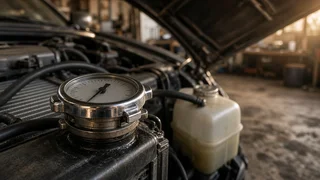
A cap that releases too early reduces the system’s ability to tolerate heat, while one rated too high can stress hoses, heater cores, and gaskets. When evaluating a Ford Ranger, the cap must be matched to the intended pressure range of the radiator and the coolant specification rather than treated as a generic part. If the cap is suspect, the practical first step is to inspect the seal, the filler neck, and the stamped rating before introducing a different pressure value.