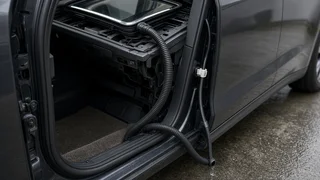
Ford Explorer 2011–2019 Sunroof Drain Tubes

A damp headliner or a wet front carpet in a 2011–2019 Ford Explorer often points back to the sunroof drain tubes. These flexible channels carry water away from the panoramic roof opening and direct it toward the ground. When the system works, the cabin stays dry even in heavy rain. When a line separates, kinks, or clogs, water follows the path of least resistance down the A-pillars and into the footwells. Understanding how the drains route water, where they typically fail, and how technicians inspect them helps separate a simple blockage from a more involved leak repair.
Essential answer
The sunroof drain tubes on a 2011 through 2019 Ford Explorer are part of the roof opening drainage system. Rather than sealing the glass panel completely, the sunroof cassette uses a surrounding tray or channel to collect water that gets past the weatherstrip. Each front corner of the tray connects to a drain tube that runs down inside the body structure, usually behind the windshield pillar trim, and exits near the cowl or front door hinge area. The system relies on gravity, so tube routing, slope, and a clear outlet all matter.
A wet front floor, water staining near the grab handle, or a sloshing sound after rain can indicate a problem with one of these front drains. On this model generation, the tube can harden with age, pull away from the sunroof frame nipple, or become blocked with leaf debris and dirt. The issue is not automatically a failed sunroof glass seal. Determining whether the water is entering from a separated fitting, a split tube, or an overwhelmed tray is the central step before any repair is chosen.