Fluke Battery Conductance Tester
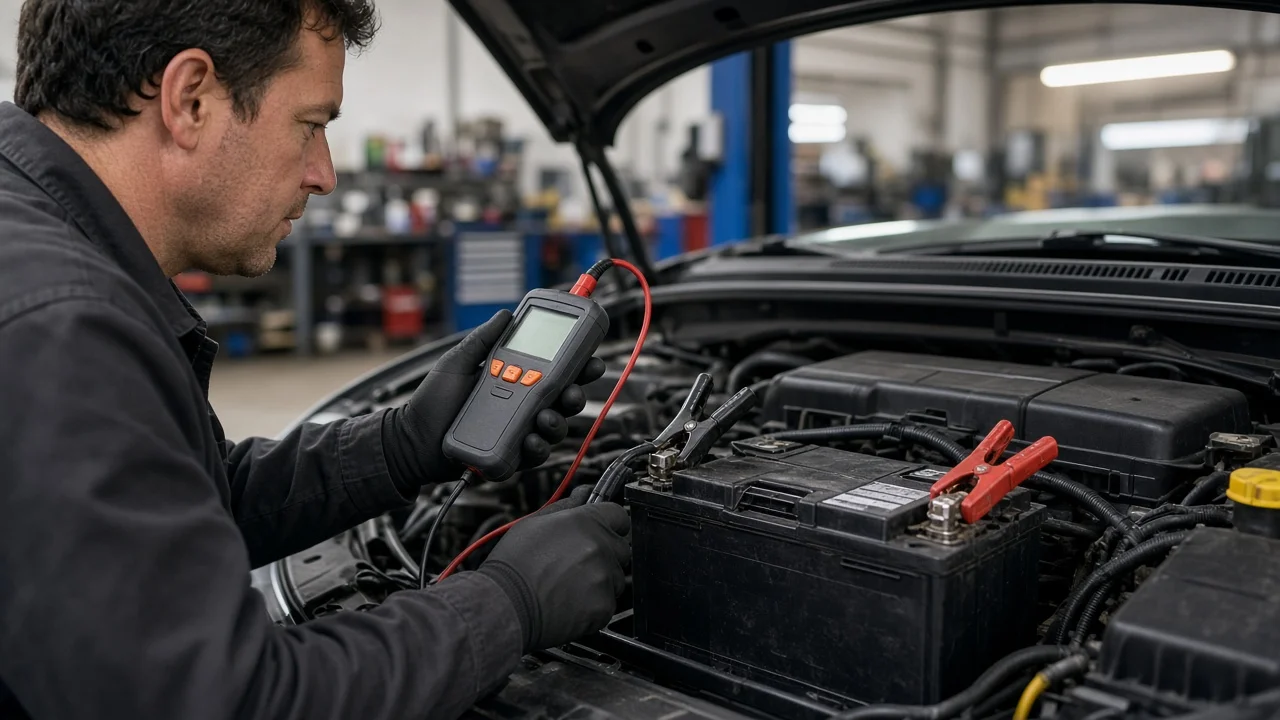
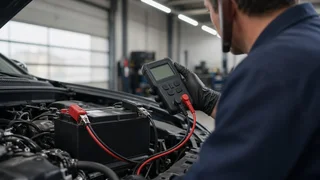
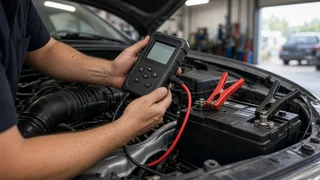
A Fluke battery conductance tester is a handheld diagnostic tool that applies a small AC signal across the battery terminals to estimate cold cranking ability and overall health. Unlike a simple voltmeter, conductance testing evaluates the plate surface and internal condition while the battery remains connected. For drivers, technicians, and fleet owners, this method quickly separates a weak battery needing replacement from one that is still serviceable. Understanding what the tool can and cannot confirm helps prevent unnecessary battery purchases. The measured query targets this exact tester category, so the buying decision depends on supported testing capability rather than a single fault code.
The direct answer
The immediate answer is that a conductance tester measures the battery's ability to conduct alternating current, which correlates with available plate area and cranking performance. It gives a pass, marginal, or fail indication by comparing the measured conductance value to a stored reference for the battery's rated size. The result is most meaningful when the battery has been at rest and the terminals are clean and tight. Because conductance responds to plate sulfation and internal resistance, it can identify aging batteries even when system voltage appears normal after a surface charge.
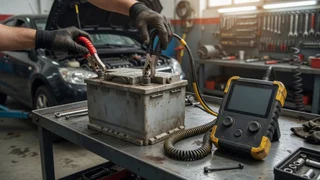
A key condition is that the tester reports inferred health, not absolute proof of remaining service life. Battery temperature, recent charging output, heavy electrical loads, or poor terminal contact can shift the reading. If the vehicle has just been driven or the battery charged, surface charge may inflate the result. Letting the battery stabilize and testing at the posts, not on corroded hardware, improves repeatability. When the tester calls a battery bad under repeatable conditions, replacement is a reasonable next step, but confirmation with voltage drop and charging system checks is sensible before condemning other parts.