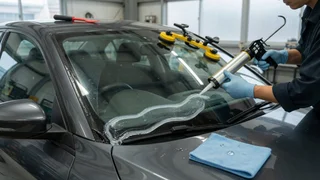
Fix a leaking windscreen
A windscreen that lets water in can damage headliners, electrical connectors, and carpet before the leak is even visible. When searching for a fix for an auto glass leaking windscreen, the key is to pinpoint whether moisture is entering through the bonded glass edge, the surrounding body seams, or a failed grommet near the cowl. Because the glass is part of the vehicle's structural sealing surface, the repair approach changes with the leak path. A careful water test narrows the source so the correct sealant or professional fitment work can be chosen.
Direct answer
A leaking windscreen is usually caused by a break in the urethane adhesive bead that bonds the glass to the metal pinchweld, or by corrosion that has lifted that adhesive from the sealing surface. Less often, water follows a damaged roof ditch seam, a clogged cowl drain, or an aftermarket accessory wire pushed through a grommet near the base of the glass. Start by drying the interior, then have an assistant run water gently across the roof, cowl, and glass while you watch the dash edges and A-pillar trim from inside.
If the water appears only after the hose is moved to a specific edge, the leak is local. If it drips only during heavy rain or car-wash pressure, the failure may be small and directional. A fogged lower windshield, wet headliner corner, or drips from the mirror mount all suggest different entry points. Temporarily taping the suspected outside edge with wide painter's tape, then retesting, is a simple way to confirm the path before disturbing the original fitment.
Interpreting symptoms and test results
Begin with the highest and forwardmost wet area inside. Dampness at the top corner often points to a separated bead along the roof line, while water pooled at the lower cowl can be a clogged plenum drain rather than the glass itself. If the cabin is wet after the vehicle sits parked in rain, glass sealing is likely; if wetness appears mainly after driving, road spray or a missing wheel-arch shield should be checked first. Each observation helps separate an actual windscreen fault from a nearby body leak.
A technician may perform an ultrasonic leak detector test or use a controlled water spray to watch for air bubbles in soapy water applied outside. Cosmetic cracks in the outer seal do not always mean the inner urethane bond has failed. Unless a gap is visible through the wet area, avoid adding aftermarket silicone over the top edge, because it often traps moisture and blocks a clean future glass specification repair. The correct test result is what authorizes either resealing the localized gap or scheduling a proper windscreen replacement.