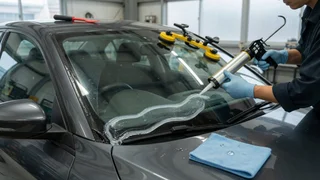
Find windscreen or auto glass repair and replacement
Finding windscreen or auto glass repair and replacement starts with recognizing the type of glass damage, its location, and how it affects visibility and structural sealing. Whether you are searching for services near Rosebud, Dapto, Kyabram, Midrand, Narrabeen, Punchbowl, Reservoir, Shellharbour, or Stirling, the practical goal is the same: determine if the panel can be safely repaired or should be replaced. Understanding glass specification, fitment, and adhesive compatibility helps you compare providers and avoid a rushed decision that leaves a poor sealing surface or recurring leaks.
The direct answer
For most windshield damage, the immediate answer is that a stone chip or small crack may be repairable if it sits away from critical mounting points and does not cross the driver's acute viewing area. Repairs usually restore visibility and seal the laminate against moisture, but they cannot guarantee that a deep, long, or edge-reaching crack will not spread. When the break is directly in a sightline, replacement is the safer choice because even a polished resin fill can leave slight distortion.
The condition changes when the damage reaches the outer edge, extends across multiple layers, or disturbs the sealing surface. Those situations tend to compromise the bonded fitment that helps the glass support the roof during a collision. A technician may still offer a repair, but replacement becomes the more predictable outcome. Ask your provider to explain whether the glass can carry normal stress after the repair, particularly when the vehicle has rain-sensing or driver-assistance equipment mounted behind the panel.
Identification and location
Correct identification begins with the vehicle's year, trim, and options, not just the make and model. Glass specification can differ depending on whether the car has acoustic interlayers, heated elements, a third visor band, or a camera bracket for lane-keeping hardware. The windshield information printed near the lower corner may include branding and approval markings, but the definitive fit comes from matching the body configuration and the installed features rather than copying that marking alone.
Look-alike variants are common when a model was produced with both a standard and a solar-absorbing windshield, or when a van shares glass across a platform but not across roof heights. Check the position of the mounting points for the rearview mirror and the shape of the cowl line. A replacement supplier should verify the part against the body style and any original fitment notes. If the car has an aftermarket conversion, confirm that the new glass matches the actual opening and does not simply match the catalog photograph.
Understanding a problem
When choosing between repair and replacement, begin by separating the visible impact from what the damage tells you about the laminate's future behavior. A simple bullseye or star break is often stable enough for a resin injection, while a crack that is already extending toward the edge shows that stress is moving through the panel. Warped reflections or water seeping toward the dashboard suggest the outer layer has been breached and the inner sealing surface may already be contaminated.
The next check is the condition of the bonding area around the glass. If the old adhesive is brittle, gapped, or covered with body filler, a new panel needs careful preparation of the pinchweld and a compatible automotive-grade urethane. The best time to replace the glass completely is when the crack is in a critical line of view or when the existing damage prevents a clean fit. Stop using a temporary patch only when the windshield can no longer be secured without affecting camera alignment or occupant protection.