Fire suppression system for trucks
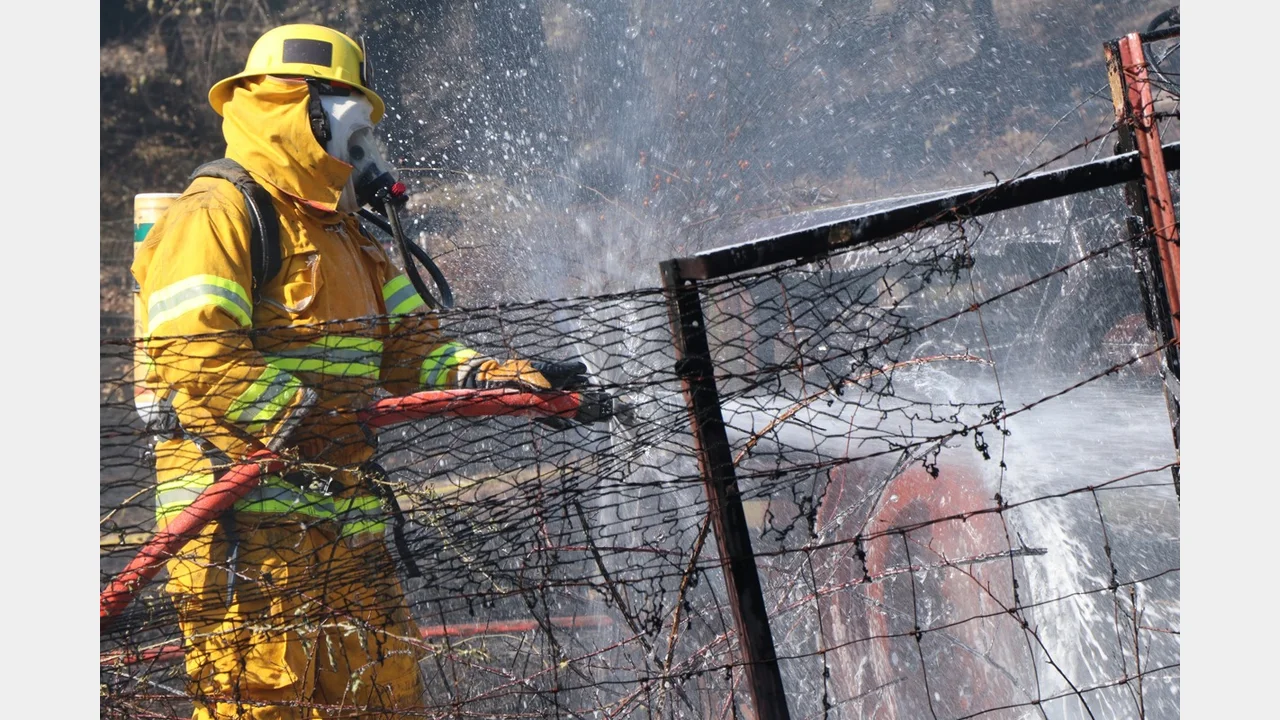
A truck fire can escalate quickly when a turbocharger, exhaust component, electrical fault, or brake system creates an ignition source near fuel, oil, wiring insulation, or cargo. A fire suppression system for trucks is engineered to detect that early heat or flame and discharge a suppressant before the driver loses the window for safe evacuation. Unlike a handheld extinguisher, it works automatically and can protect the engine bay, battery area, or other enclosed zones even when the cab is unattended. Understanding the basic purpose and limits of these systems helps owners evaluate whether automatic protection fits their operating conditions.
Essential answer
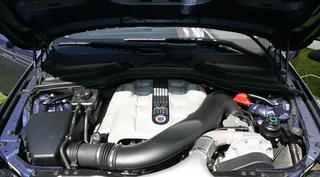
A fire suppression system for trucks is a fixed automatic or manually activated setup that detects a developing vehicle fire and releases an extinguishing agent into a protected area. Most designs combine detection tubing or thermal sensors with a pressurized cylinder and spray nozzles aimed at high-risk zones such as the engine compartment. The goal is to interrupt the fire triangle by cooling the heat, displacing oxygen, or separating the fuel from the ignition source before the fire reaches the cab or cargo.
Because trucks vary by chassis, body configuration, and operating duty, suppression systems are usually selected around the spaces most likely to hold combustible material near a heat source. A dry chemical or clean agent discharge can reduce damage, but a fault code or melted component is evidence of an event to inspect rather than proof that a specific part caused the fire. After activation, electrical isolation and a safe evacuation path remain critical before emergency services arrive.