Find Briggs & Stratton 23 hp oil capacity
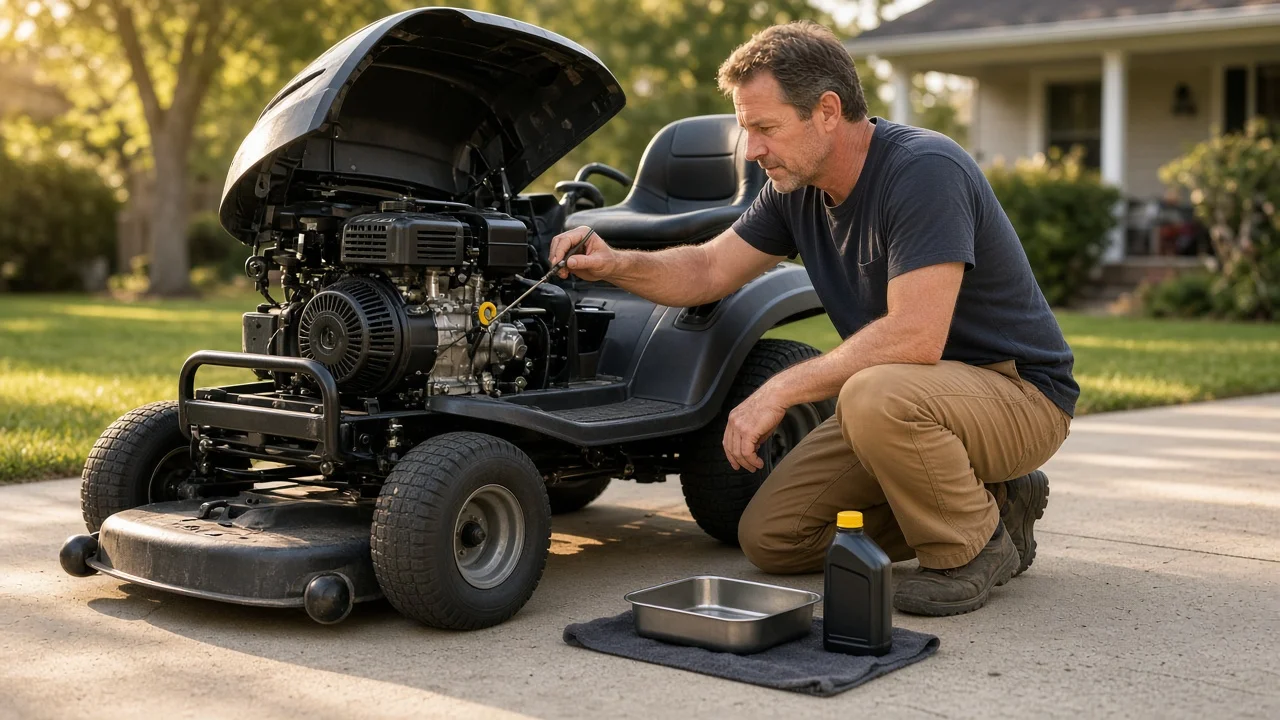
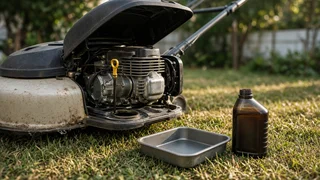
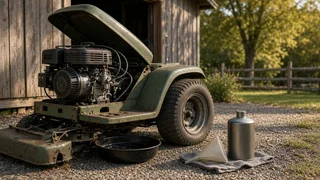
Finding the correct oil amount for a Briggs & Stratton 23 hp engine matters because the crankcase volume depends on the specific equipment, sump design, and mounting angle. A figure quoted for one generator or zero-turn mower may not transfer to a pressure washer or garden tractor using a similar engine. Checking the fill volume before service helps prevent overfilling, aeration, leakage, and oil-related wear. The exact capacity should be confirmed from the engine identification label, dipstick markings, and the equipment manual for the application in front of you.
Essential answer
No single universal fill quantity applies to every Briggs & Stratton 23 hp engine, because the same power rating can appear in vertical- and horizontal-shaft designs with different oil pans and closure plates. A common range for many air-cooled V-twin engines is roughly one and a half to two quarts including the filter, but that range is not a specification. The only reliable answer comes from the model and type numbers stamped on the engine, which identify the sump and dipstick configuration used on that machine.
When the documented amount cannot be located, use the dipstick as the controlling measurement. Add oil gradually, allow it to settle, and check the level on a level surface. The safe service target is the full mark, not a guessed bottle count. If the engine has an oil filter, the filter should be filled or primed according to the manual, and the level rechecked after a brief run and shutdown. Treat printed or online capacities as unconfirmed until they match the engine identification.
Identification and location
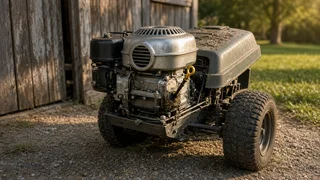
The engine model, type, and code are usually stamped into a metal identification plate or printed on a label near the blower housing, valve cover, or above the crankcase. The model number often begins with a series prefix, while the type number narrows the crankshaft, sump, and accessory configuration. On horizontal-shaft commercial engines, the fill tube or dipstick may be located on the side of the block; on vertical-shaft lawn equipment engines, the tube generally rises near the top of the crankcase and is shaped to clear the mower deck or frame.
Before adding lubricant, record the model and type from the valve cover or recoil housing and compare that stamping with the equipment manual. Do not rely on horsepower badges alone, because horsepower differs across model families and year codes. If the tag is faded, look for a secondary label on the air shroud or a stamped boss near the spark plug. A replacement engine may also use a different sump than the original, so the current engine tag is more useful than the tractor or generator model plate.