Briggs & Stratton 23 hp Engine Oil Capacity: How to Find the Right Figure
The short answer
Briggs & Stratton built 23 hp engines in more than one family. These include V-twin designs sold under names such as Intek, Professional Series and Vanguard, and they were fitted to riding mowers, lawn tractors and zero-turn machines. Because these engines differ internally, horsepower alone does not set the oil capacity. The exact figure depends on the engine's model, type and code numbers, and on whether you replace the oil filter during the change.
No manufacturer documentation was supplied for this article, so it does not state a verified capacity for any specific 23 hp model. Figures of about 2 quarts with a filter change are often quoted for Briggs & Stratton V-twins in this power range. Treat that only as a rough starting point to check against the documentation for your engine, not as a confirmed specification.
Why capacity varies between 23 hp engines
Two things change the answer.
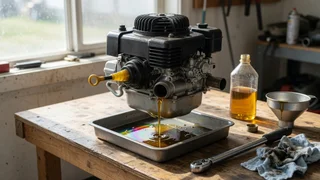
Engine family and configuration: Engines in the same horsepower class can use different crankcases, sumps and lubrication systems. Some use splash lubrication, where a dipper or slinger throws oil around the crankcase. Others use pressure lubrication, where a pump pushes oil through passages and a filter. These designs hold different amounts of oil. Oil filter replacement: An engine with a spin-on filter holds extra oil in the filter. Replacing the filter during an oil change therefore takes more oil than draining the crankcase alone. Manufacturer specifications often list the two amounts separately.
The horsepower printed on a shroud decal is also a poor identifier. Briggs & Stratton has changed how it labels engine output over the years, so two engines sold as 23 hp may be quite different machines.
How to identify your engine
Briggs & Stratton identifies each engine by three numbers: the model number, the type number and the code. The code is usually a date-and-plant code. Together these numbers let you find the correct owner's manual and specifications for your engine.
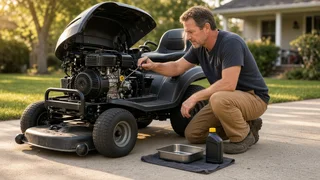
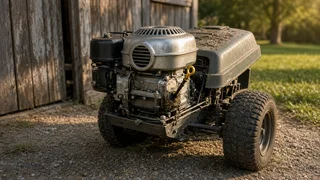
Look on the engine itself, not on the mower or tractor frame. The equipment maker's model plate identifies the machine, not the engine. Check the metal blower housing or engine shroud. On many Briggs & Stratton engines the numbers are stamped into the metal or printed on a decal. On V-twin engines, check the shroud near the cylinder heads, valve covers and muffler area. You may need to lift the hood or seat to see it. Write down all three numbers exactly. Locations vary between engine families and production years, so confirm against the documentation for your configuration.
Avoid two common mix-ups. First, the tractor or mower model number is different from the engine model number. Second, a branded engine name such as Intek or Vanguard describes a product line, not a single engine. You still need the model, type and code to find an exact specification.
Where to confirm the oil capacity
Once you have the engine numbers, check the owner's manual for that specific engine. It lists the oil capacity, often with separate figures for changes with and without a new filter. It also lists the recommended oil viscosity, which may depend on the outdoor temperature range. If the original manual is lost, Briggs & Stratton publishes manuals that can be looked up by model number. An authorized service dealer can also confirm the figure from the engine numbers.
Using the dipstick as the final check
Even with the correct published figure, the dipstick is the deciding measurement. Some old oil usually stays in the engine after draining, and a full drain is rarely complete.
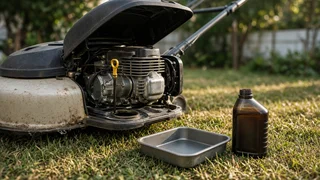
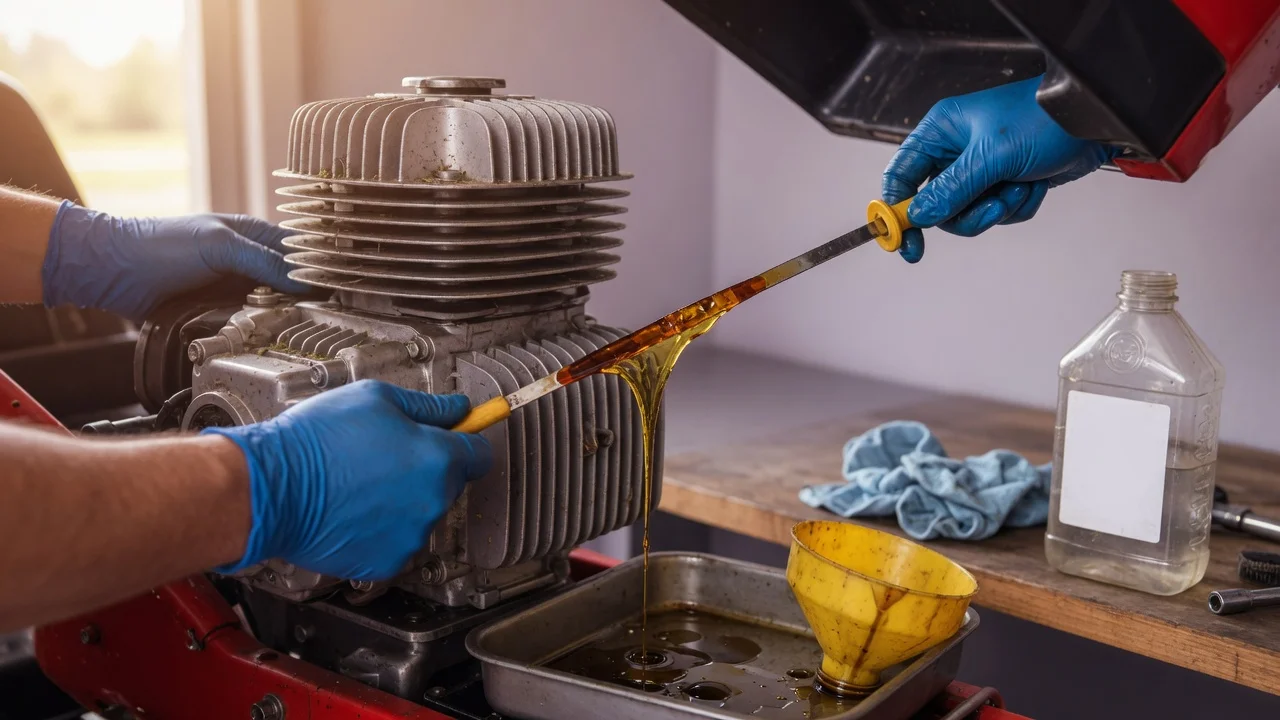
Park the machine on level ground with the engine stopped. After draining, and fitting a new filter if you are changing it, add somewhat less than the published capacity. Wait briefly for the oil to settle into the crankcase. Check the dipstick following the manual's method, since some designs are read screwed in and others resting in the tube. Add small amounts and recheck until the level reaches the full mark.
Do not overfill. Too much oil can raise crankcase pressure, push oil into the breather and air filter, and cause smoking or hard running. If you overfill, drain the excess until the dipstick reads within the safe range.
What this article could not verify
This guide does not provide a confirmed oil capacity, viscosity recommendation or filter part number for any particular Briggs & Stratton 23 hp engine, because no model-specific documentation was supplied. For an exact figure, match your engine's model, type and code to its owner's manual, then fill to the dipstick's full mark.