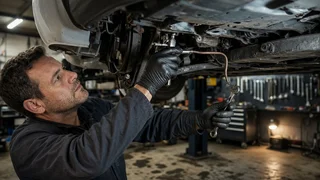
Find 2006 Silverado brake line size
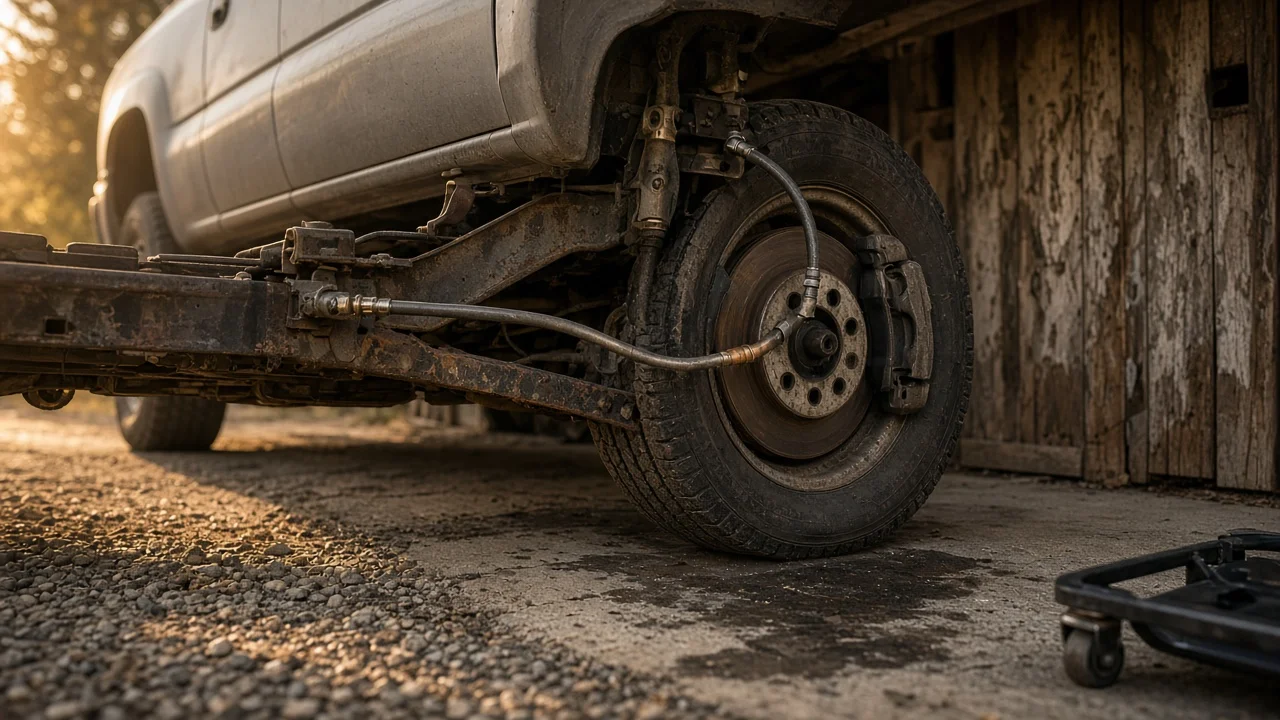
Finding the correct brake line size for a 2006 Silverado matters because hydraulic integrity directly shapes pedal feel and stopping distance. Truck owners often discover the question while repairing a rusted or damaged hard line, replacing a flexible hose, or planning a brake fluid flush. The answer can vary by cab, bed, drivetrain, and brake package, so a single universal dimension is not always safe. Understanding how the line, caliper, brake pads, and brake rotors work together helps narrow vehicle fitment and avoid incorrect plumbing choices.
Essential answer
The essential answer is that the 2006 Silverado commonly uses 3/16-inch outside diameter steel tubing for primary brake hard lines in many configurations. This size is common across light trucks because it balances pressure capacity, bending ease, and resistance to expansion under braking force. Still, actual fitment can differ where the line runs to an antilock brake assembly, a junction block, or a specific rear axle setup. A measurement from the removed line or the truck itself is the most reliable confirmation before cutting or flaring material.
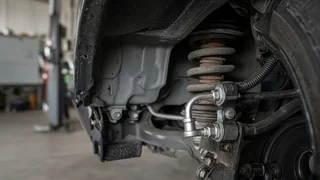
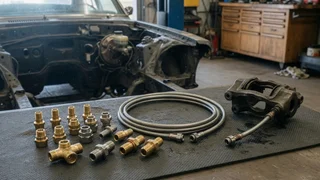
Flexible brake hoses at the caliper end are not the same as the rigid tubing, and they may carry banjo fittings or threaded ends matched to the vehicle application. For example, a truck with rear drum brakes routes fluid to a wheel cylinder, while rear disc brakes use a caliper with a different hose arrangement. The hydraulic path also varies with the location of the proportioning valve and ABS module. Because brake fluid operates under high pressure, substituting a close-sized line can create sealing or expansion problems even when the outside diameter appears similar.
Identification and location
To identify the correct line, trace the existing metal tubing from the master cylinder down along the frame rail and across the rear axle area. The factory routing often places clips or brackets that hold the line away from heat sources and moving suspension parts. A caliper or wheel cylinder inspection helps confirm which end style is used, since a line that fits the body side may still have the wrong flare or thread at the wheel end. Brake rotors and friction material position the caliper, but the hose and hard line attachment point is the practical identifier.
Location cues can also separate front and rear circuits. The front lines typically branch from an ABS module or combination valve and drop toward each front wheel, while the rear line follows the frame to a tee near the differential. If a previous repair included generic tubing, the outside dimension may not match the factory harness exactly. Measuring the male flare seat and thread pitch in addition to tube diameter reduces the chance of confusion when buying replacement sections or preformed lines intended for a specific brake system.