Ferrari Engines Without a Timing Chain
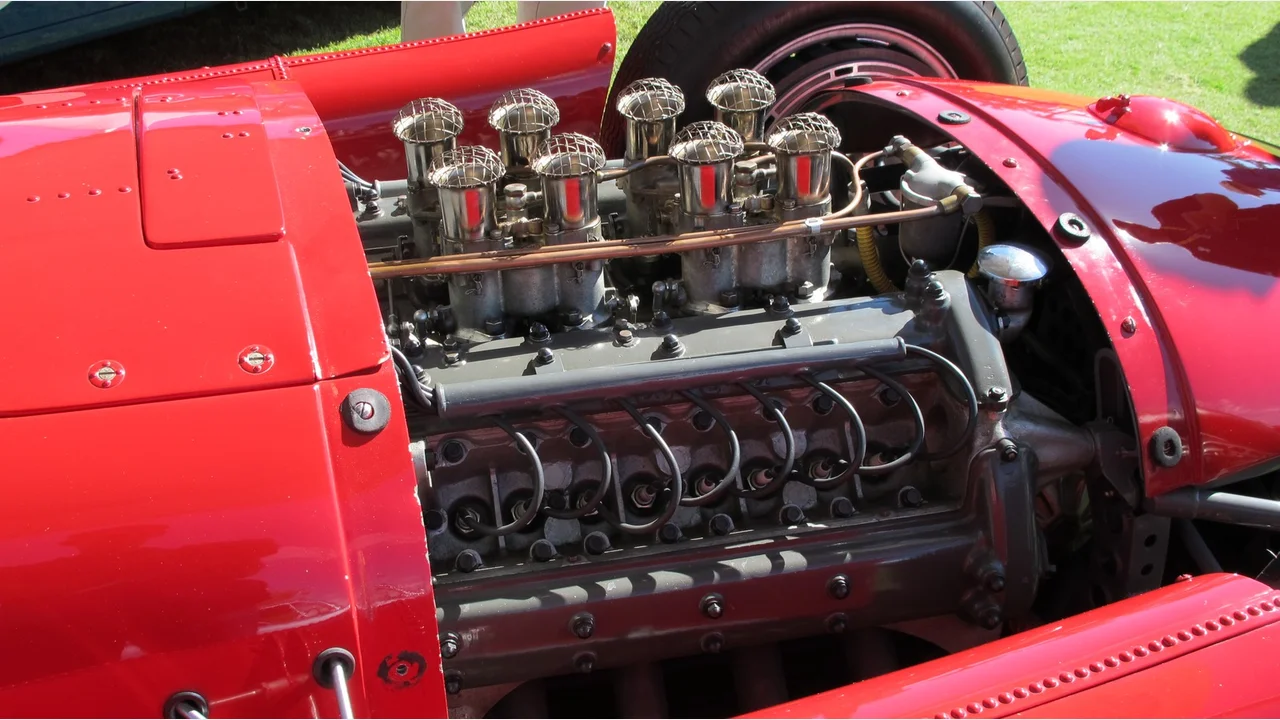
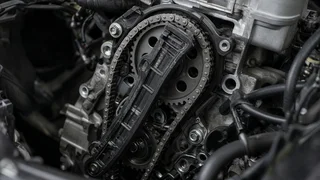
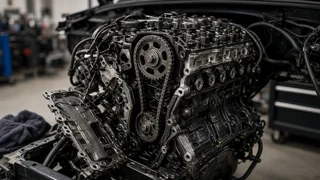
Some Ferrari V8 and V12 engines use gear-driven camshaft layouts instead of a traditional timing chain. A search for a “ferrari engine without timing chain” usually points to designs where the camshafts are driven directly by gears, or to engines where the valvetrain arrangement makes a long chain unnecessary. The question matters because timing components influence service needs, mechanical noise, and how an engine behaves as it ages. Understanding the difference helps when reading repair estimates or evaluating an older car. The relevant meaning covers both engines that genuinely lack a chain and engines commonly described that way because their cam drive is not chain-based.
Essential answer
The direct answer is that a Ferrari engine can be described as running without a timing chain when its camshaft drive uses a geared or belt-based system rather than a chain. In practice, this does not mean the camshafts are unconnected from the crankshaft. The valvetrain still needs a positive mechanical link so the camshafts stay synchronized with piston movement. A gear train can perform that job with a different service profile and noise character than a chain-driven engine, which is why the distinction appears in ownership discussions.
Inspection and service history become important because the absence of a chain changes what a technician checks. On a gear-driven layout, wear may show up as backlash, tooth wear, or changes in mechanical sound rather than chain stretch or guide wear. Diagnostic codes can point to camshaft correlation faults, but a code alone does not identify the failed component. Manufacturer specifications and a direct inspection are needed before concluding whether a gear, sensor, actuator, or supporting part is responsible for a symptom.