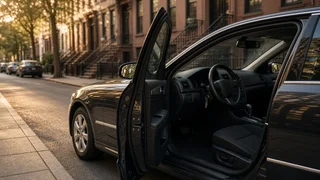
Fairfax County unattended vehicle rules

An unattended vehicle in Fairfax County can draw attention from enforcement agencies because a stationary car left on public or private property raises questions about ownership, safety, and lawful placement. Vehicle location matters when a registration record is checked or a reporting authority receives a complaint. Understanding how a removal procedure works, what a notice reference means, and which release conditions may apply helps an owner respond correctly before a minor parking or storage issue becomes an expensive impound or towing matter.
Essential answer
Fairfax County treats an unattended vehicle as a vehicle left without an operator present long enough for its status to become a nuisance, a traffic obstruction, or an indication of abandonment. The essential answer is that local rules generally allow enforcement when a car is left on a public roadway, county property, or certain private areas in a way that violates posted restrictions or creates a safety hazard. Vehicle location is therefore the first detail to establish, because a car parked briefly outside a home is handled differently from one left for days along a travel lane or in a public lot.
Enforcement usually begins when a reporting authority, such as a county agent or property manager, identifies the vehicle and checks its registration record to determine the owner and last known address. A notice reference may be attached to the car or sent to the owner before any removal procedure is initiated. The owner should read that notice carefully because it typically identifies the location, the alleged violation, and the time allowed to move the vehicle. Release conditions after towing often include paying fees and proving ownership or current registration, but the exact requirements depend on the specific county process and the reason the vehicle was flagged.