Energy Suspension Sway Bar Bushings: Fitment Guide
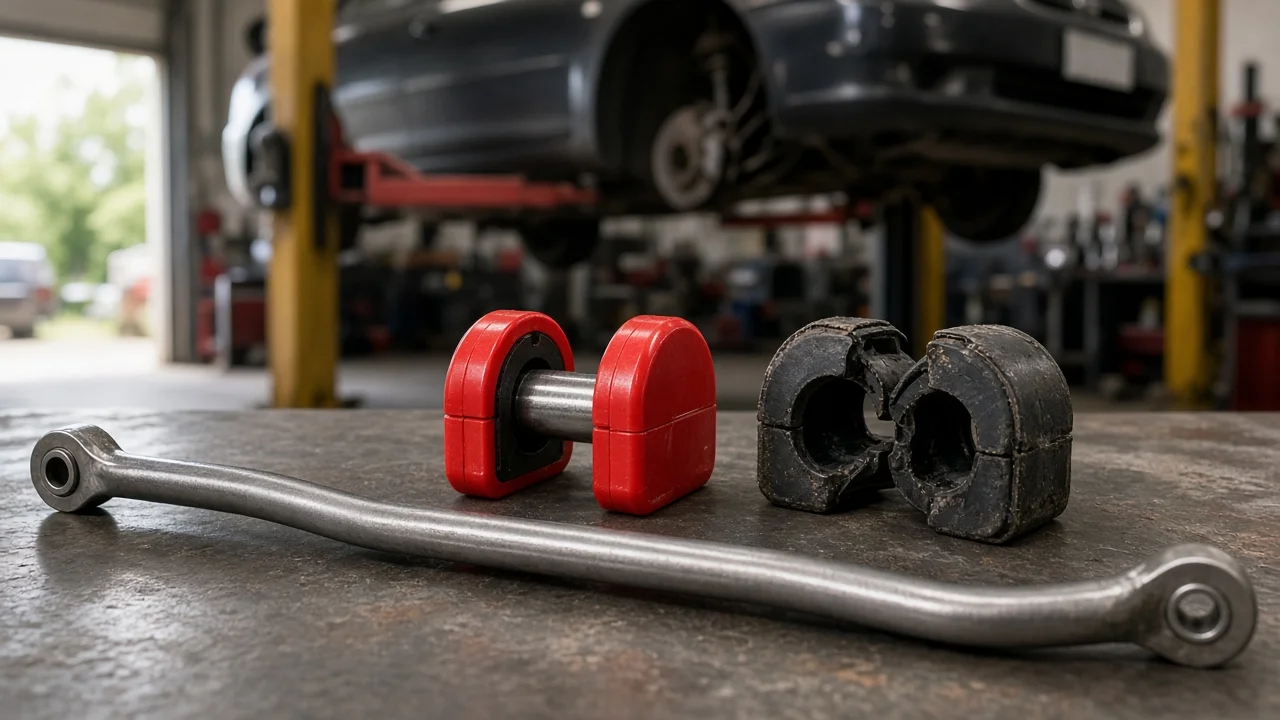
Energy Suspension sway bar bushings are polyurethane replacements for the rubber bushings that hold an anti-roll bar to the chassis or subframe. Getting the right set comes down to three things: the actual diameter of the bar, the shape of the mounting bracket, and whether your vehicle still uses its factory bar. This guide explains how to confirm fitment before ordering and what to watch for during installation.
Short Answer: How to Get the Right Fit
Energy Suspension sells sway bar bushings in two ways: as vehicle-specific kits listed by make, model and year, and as universal bushings sized by bar diameter and bracket style. A vehicle-specific kit is the easier choice when the car still has its factory bar and brackets, but a catalog match alone is not proof of fit. Factory bars often vary in diameter between trims, suspension packages and front versus rear positions, so the safest approach is to measure the bar and compare it with the size stated for the kit. If the bar has been replaced, the vehicle has been modified, or the listing does not agree with what you measure, let the bar diameter and bracket dimensions decide.
A bushing that is slightly too large lets the bar shift and knock; one that is too small can bind, distort or keep the bracket from seating properly. Neither problem is solved by tightening the bolts harder.
How Polyurethane Sway Bar Bushings Work
The sway bar connects the left and right sides of the suspension. When the body leans in a corner, the bar twists and resists that roll. The bushings clamp the bar at its mounting points on the chassis or subframe, allowing it to pivot while keeping it located. Many factory rubber bushings grip the bar by friction and absorb some of its movement within the rubber itself.
Polyurethane is firmer than typical factory rubber, so it deflects less under load. That is why many owners notice sharper turn-in and less body lean after the swap, even with the same bar. The trade-off is that the bar rotates against the inner surface of the bushing instead of flexing the material, so that surface needs lubrication. Energy Suspension supplies or recommends grease for its polyurethane parts, and a dry bushing is one of the most common sources of squeaks. The added stiffness can also pass a little more noise and vibration into the cabin.
What Changes the Fitment Answer
Bar diameter is the first variable. Different engines, trims, towing or sport packages, and mid-generation updates can mean different bar sizes on vehicles that look identical. Front and rear bars are almost always different sizes, so order by position. Aftermarket sway bars rarely match stock dimensions and need bushings sized for that bar; many are sold with bushings already included.
Bracket shape is the second variable. The outer profile of the bushing has to sit fully inside its bracket, and brackets differ in height, width and contour. Universal bushings are offered in several outer styles for this reason, so check the old bushing and bracket against the stated dimensions rather than assuming any part with the correct inner diameter will work.
Bar features matter too. Some bars have collars, raised bumps or locating rings that stop sideways movement, and some factory bushings are bonded to the bar. Bonded rubber must be cut away and the bar cleaned before a split polyurethane bushing can be fitted, and if the bonded bushing was what kept the bar centered, confirm how it will stay located afterward. Lifted or lowered vehicles change the working angle of the bar, which affects end link geometry more than bushing fit, but it is worth considering while the parts are off.
Measuring and Inspecting Before You Order
Measure the bar itself with calipers at a clean section near where the bushing sits. Do not measure the inside of a worn bushing, which will read oversize. Take more than one reading to rule out corrosion or a flattened area, and compare the result in the same units as the listing, since close metric and fractional-inch sizes are easy to confuse.
While you are under the vehicle, inspect the brackets for cracks, bending or elongated bolt holes, and check the end links. Excess joint play in the links or worn link bushings can cause clunks that new frame bushings will not cure. Rusted, stretched or damaged bracket bolts should be replaced with hardware of the correct size and grade.
Installation Considerations for Owners
Work on a level surface and use proper vehicle support, such as jack stands or a lift placed at the manufacturer's designated points; never work under a vehicle held only by a jack. The bar can be under preload when one side of the suspension hangs, so follow the service procedure for whether to disconnect the end links and how to release that tension safely. On some vehicles, reaching the brackets requires lowering a subframe or moving steering or exhaust components, which makes the job better suited to a shop.
Clean the bar where the bushing rides, removing rust and leftover rubber, then apply the lubricant specified in the kit instructions to the inner surface of the bushing. Follow those instructions for the orientation of the split. Tighten bracket and end link bolts to the fastener specification in the vehicle's service information, and note whether the procedure calls for final tightening with the suspension at normal ride height. Do not guess torque values.
Replacing sway bar bushings on their own does not normally change wheel alignment settings. If other suspension or steering parts were removed or disturbed during the job, have the alignment checked afterward.
Limitations and When to Get Help
Catalog listings are a starting point, not a guarantee. Production changes, earlier repairs and swapped parts mean the vehicle in front of you is the final reference. If your measurement falls between listed sizes, the bracket does not match any offered style, or the bar itself is bent or corroded, confirm with the parts supplier or a qualified technician before installing anything.
Noise after installation usually points to missing lubrication, an incorrect size, loose fasteners or a separate worn component. A persistent clunk, a bar that slides sideways, or a noticeable change in handling is a reason to have the suspension inspected rather than adding more grease and hoping. For torque values, preload procedures and any work involving subframe or steering removal, rely on the manufacturer's service information for your specific vehicle.