Electronic Parking Brake Warning Light: Meaning, Service Mode and Faults
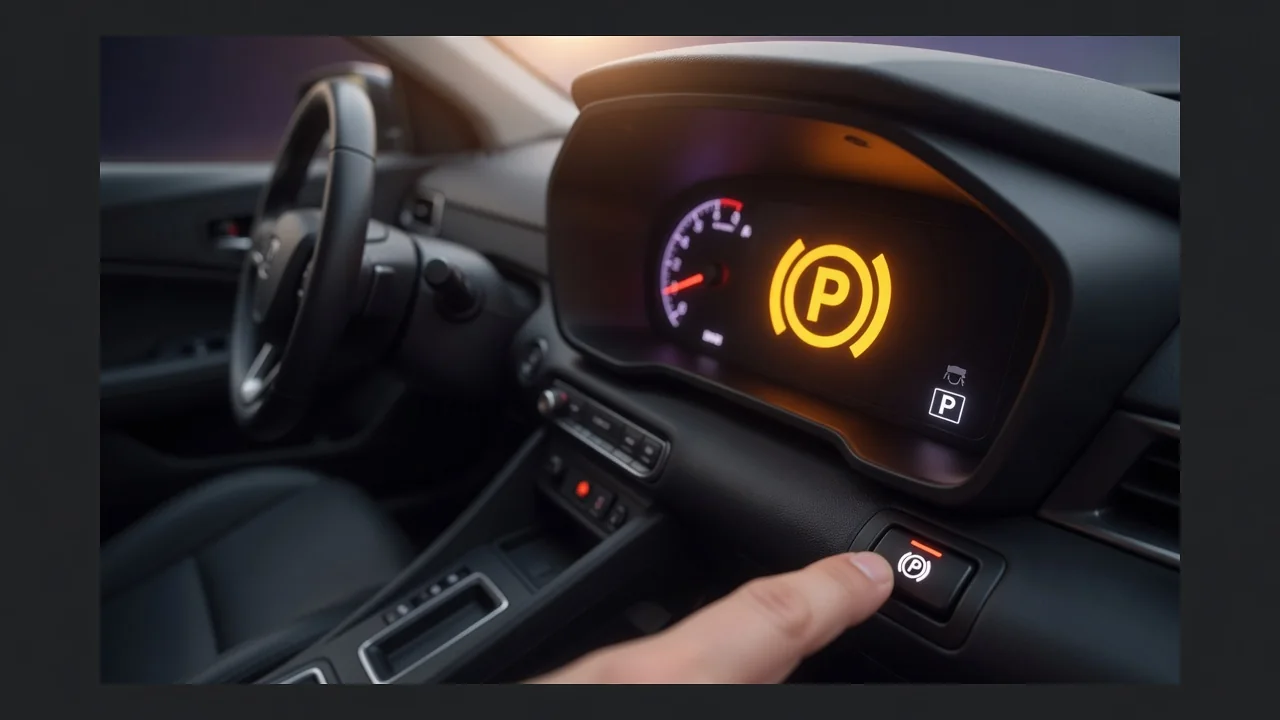
An electronic parking brake warning light can mean anything from a brake that is simply applied to a fault the system wants checked. This guide explains what the indicator and service messages communicate, why faults appear, what electronic parking brake service mode does during rear brake work, and why a GM electronic parking brake service mode reset, or any other brand's, depends on the exact vehicle.
What the Electronic Parking Brake Warning Light and Service Messages Mean
Most vehicles use two separate signals. The normal parking brake indicator lights when the EPB is applied and goes out when it releases, while a different symbol or an instrument cluster message warns of a fault. Symbols and colors vary by manufacturer, so the owner's manual is the right place to confirm which one you are seeing. A message such as Service Electronic Parking Brake means the system detected a condition it cannot confirm is normal; it does not name a failed part.
A steady electronic parking brake light, a flashing one, and one accompanied by a chime can carry different meanings from vehicle to vehicle, which is why the exact wording on the cluster matters. Note when it appeared: at startup, while driving, or right after applying or releasing the brake. That context helps a technician. The message also does not tell you whether the brake will hold, so do not rely on it on a slope until the system is checked.
Common Reasons an Electronic Parking Brake Fault Appears
An electronic parking brake fault can come from several broad areas: low battery voltage or a weak battery, wiring or connector problems at the rear calipers, a caliper motor or rear caliper actuator fault, a faulty parking brake switch, or calibration lost after brake work. A recent battery replacement, jump start or rear brake job can trigger the message, so tell the technician about it. A Jeep Compass that won't start while showing a service electronic parking brake message, for example, is a reason to have the electrical supply checked before blaming the brake.
Owners can make safe observations without tools. Does the brake apply and release? Is there unusual whirring or clicking from the rear wheels, a dragging feel, or another brake warning lamp lit at the same time? Stored fault codes are often manufacturer-specific, so any code must be checked against vehicle-specific service information before it is interpreted. Even then, a code is evidence, not a verdict on a component, and replacing parts on a guess can waste money.
What Electronic Parking Brake Service Mode Is and Why It Exists
Electronic parking brake service mode, also called maintenance mode or pad replacement mode, commands the rear caliper actuators to retract fully so rear brake pads and rotors can be serviced. On a conventional caliper the piston is simply pressed back, but an electronic caliper has a motor-driven mechanism behind the piston. Forcing it back by hand works against that mechanism and can damage the actuator, which is why the system must release itself first.
In general terms, the system is put into service mode before brake work and taken out afterward, often followed by a brake calibration or apply cycle so the module relearns the new pad position. The parking brake does not hold the vehicle while in service mode, so the vehicle must already be secured by other means. Because brakes are safety-critical, anyone not trained in brake service who wonders how to service an electronic parking brake is better off using a qualified shop.
Service Mode and Reset on GM and Ford Trucks and Cars
There is no single GM or Ford electronic parking brake service mode sequence. The method for entering and exiting differs by model and year, and so does the answer to whether a GM electronic parking brake service mode reset can be done without a scanner. Some vehicles document a switch- or menu-based method in official service information, while others require a compatible diagnostic scan tool. Only the information for your exact vehicle settles which applies.
The same applies to Ford F-150 electronic parking brake service mode: F150 owners should check the procedure for their specific model year and trim instead of copying one posted for a different truck, and a Ford Focus may use a different approach again. If the EPB message stays on after service mode is exited, recheck the official procedure, have stored codes read, and arrange professional testing if it continues.
Service Mode on Toyota, Hyundai, Kia, Nissan, Mazda, Subaru, VW and Volvo Models
Anyone asking how to put an electronic parking brake in service mode on a Toyota or VW will find that each brand, and often each model generation, uses its own method. Some rely on dash menus or switch inputs; others need a diagnostic tool. Toyota, Hyundai, Kia, Mazda, Volvo and Nissan owners, including Nissan Rogue drivers, should confirm whether their vehicle supports a tool-free method before starting any brake work.
Subaru electronic parking brake service mode reset without a scanner is a frequent question, and the honest answer is to check official service information for the model year instead of trusting general instructions. On any brand, a failed or unfinished exit from service mode can leave a warning light on. If that happens, stop, confirm the correct procedure, and get the system checked before driving, since the brake may not be ready to hold.
Electronic Parking Brake Malfunction Messages on Lexus, VW, Audi and Subaru Outback
An electronic parking brake malfunction message on a Lexus RX 350 or LX 570, a fault electronic parking brake warning on a VW Jetta, Tiguan or Atlas, a similar alert on an Audi A6, or a Subaru Outback electronic parking brake warning light are all general warnings. None identifies a cause by itself, and a proper diagnostic scan is needed to narrow it down. As for a Lexus electronic parking brake malfunction reset, clearing a message without fixing the cause usually brings it back, so stored codes should be read and checked against manufacturer information first.
Safe owner checks include battery condition and any recent electrical work, whether the brake applies and releases normally, and whether auto hold, driver-assist or other brake warnings appear at the same time. Stop driving and get help if the brake won't release, if there is a burning smell or a dragging sensation, or if the vehicle won't stay parked. Those symptoms suggest the rear brakes may be partly applied or unable to hold.
How to Turn Off the Warning Light Safely and When to See a Professional
The right way to turn off an electronic parking brake warning light is to find and fix the cause. Repeated resets can hide a real brake problem. Start with low-risk steps: look up the message in the owner's manual, confirm the battery is healthy, and see whether the warning clears after a normal key cycle. If it does and stays away, a momentary voltage dip may have been responsible, though a return visit from the light changes that picture.
Professional diagnosis is needed when the light returns, the brake won't apply or release, codes are stored, or the warning appeared after brake work. A shop will usually scan the system, check wiring and actuator operation, and calibrate if needed. Until then, if you are unsure whether the parking brake is holding, keep the vehicle secured with wheel chocks and in Park, or in gear with a manual transmission, especially on a slope.