Electric Vehicle Maintenance Schedule: What EVs Need and How It Differs From Gas Cars
An electric vehicle still needs scheduled maintenance. The list is shorter than for a gasoline or diesel car because there is no engine oil, spark plugs, fuel system or exhaust to service. Tires, brakes, suspension, cabin filtration, fluids, the 12-volt battery and software still need regular attention. The exact service interval for each item depends on the make, model year, battery and thermal-management design, and the market the car was built for. The manufacturer schedule for your specific vehicle is the reference that applies to it.
The Short Answer: What Maintenance on an Electric Vehicle Involves
Most maintenance on electric vehicles falls into three groups. The first is wear items shared with any car, such as tires, wiper blades and suspension parts. The second is fluids and filters that remain on an EV, such as brake fluid, cabin air filters and, on many models, coolant for the battery and power electronics. The third is EV-specific checks, such as inspecting high-voltage cabling, connectors and the charging port, and applying software updates. Engine-related services make up a large share of a combustion car's schedule, and an EV does not need any of them.
What an EV Maintenance Schedule No Longer Includes
A battery-electric vehicle has no internal combustion engine, so the following routine items do not apply:
Engine oil and oil filter changes; Spark plugs and ignition components; Engine air filter replacement; Timing belt or timing chain service; Fuel filter, fuel injector and fuel pump service; Exhaust system and catalytic converter repairs; Multi-speed automatic or manual transmission fluid service on a conventional gearbox, since most EVs use a single-speed reduction gear
Plug-in hybrids are a different case. They keep a gasoline engine, so they still need engine maintenance, often on a schedule that accounts for the engine running less frequently. Readers with a plug-in hybrid should expect a schedule closer to a conventional car's than to a battery-electric one.
Scheduled Service Items That Remain on an EV
Tires
Tires are often the most frequent maintenance expense on an EV. Electric vehicles are typically heavier than comparable gas cars because of the battery pack. Their electric motors also deliver strong torque from a standstill. Both factors can increase tire wear. Regular tire rotation, pressure checks and alignment inspections help tires wear evenly. Many EVs use tires designed for low rolling resistance or reduced road noise. When replacing tires, matching the specification recommended for the vehicle helps preserve range and ride quality.
Brakes and Brake Fluid
EVs use regenerative braking, in which the motor slows the car and returns energy to the battery. This usually reduces wear on brake pads and rotors compared with a gas car. Less use creates a different problem. Friction brakes that are rarely applied hard can develop rust on rotors or sticking caliper slides, especially where road salt is common. For this reason, many schedules call for periodic brake inspection and cleaning even when pads show little wear. Brake fluid absorbs moisture over time whether or not the brakes are used heavily. It is typically replaced on a time-based interval set by the manufacturer.
Battery and Power Electronics Coolant
Many EVs use a liquid thermal-management system to keep the high-voltage battery, motor and inverter within their operating temperature range. The coolant in these systems may need inspection or replacement at long intervals. Some vehicles specify a coolant service and others treat the coolant as long-life. Some EVs use air cooling for the battery instead, which changes what is required. Because designs differ widely, this is one of the items where the specific manufacturer schedule matters most.
Cabin Air Filter and Climate System
The cabin air filter cleans air entering the passenger compartment. It needs replacement on a regular basis, and more often in dusty or polluted areas. In many EVs the air-conditioning system, or a heat pump where fitted, also helps cool or warm the battery. Problems with the climate system can therefore affect charging speed and battery temperature control as well as comfort. Some manufacturers list a desiccant bag replacement or an A/C system service as a scheduled item.
12-Volt Battery
Most EVs still use a conventional low-voltage battery, usually 12-volt, to power the computers, locks, lights and the systems that activate the high-voltage battery. If it fails, the car may not start or unlock even with a fully charged traction battery. It wears out over time like the battery in a gas car. Periodic testing and timely replacement are part of routine EV ownership.
Suspension, Steering and Wipers
The extra weight of an EV puts load on suspension components such as bushings, ball joints, shock absorbers and control arms. Inspecting them is a normal part of scheduled service. Wiper blades and washer fluid need replacement just as on any car. Many EVs rely on cameras and sensors for driver-assistance features, so clear glass and clean sensor areas also help these systems work properly.
High-Voltage System and Charging Equipment Inspection
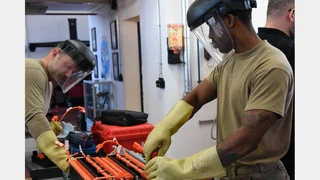
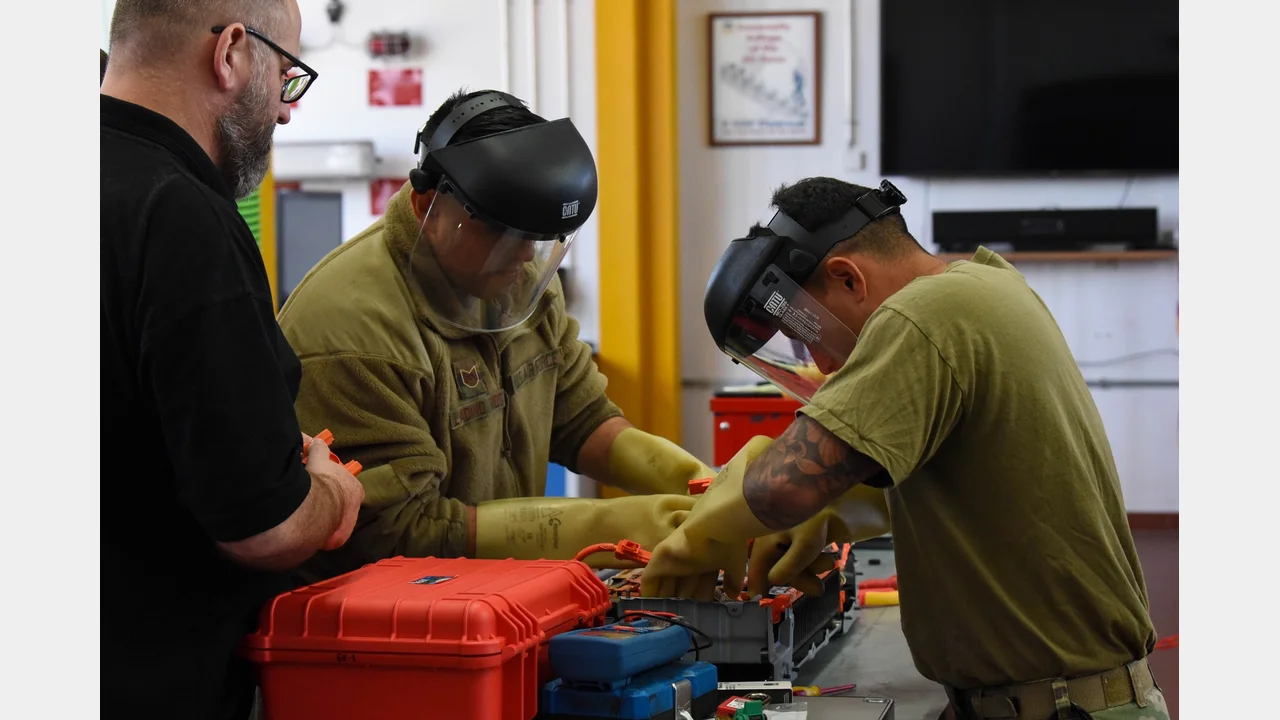
Manufacturer schedules often include a visual inspection of high-voltage cables, connectors, the battery pack housing and the charging port for damage, corrosion or debris. Work on high-voltage components should be left to technicians trained and equipped for it. Owners can check that the charging port and home charging cable are clean, undamaged and stored properly.
Reduction Gear Fluid
Most EVs do not have a multi-gear transmission. They do use a reduction gearbox between the motor and the wheels. Some manufacturers specify inspection or replacement of its lubricant. Others consider it filled for life under normal conditions. Check what your vehicle's schedule says.
Software Updates
Software controls charging, battery management, motor output and many vehicle functions. Manufacturers may release updates over the air or at a service visit. Updates can address recalls, improve efficiency or fix bugs, so keeping the vehicle's software current is part of maintenance on an electric vehicle.
EV vs. Gas Car Maintenance at a Glance
Item | Gasoline car | Battery-electric vehicle; Engine oil and filter | Regular changes required | Not applicable; Spark plugs | Periodic replacement | Not applicable; Engine air filter | Periodic replacement | Not applicable; Transmission fluid | Often scheduled on multi-speed gearboxes | Reduction gear fluid on some models; others treat it as long-life; Brake pads and rotors | Regular wear and replacement | Usually slower wear due to regenerative braking; corrosion checks still needed; Brake fluid | Time-based replacement | Time-based replacement; Coolant | Engine cooling system | Battery and power electronics cooling on many models; Tires | Rotation and replacement | Rotation and replacement; wear may be faster due to weight and torque; Cabin air filter | Periodic replacement | Periodic replacement; 12-volt battery | Periodic testing and replacement | Periodic testing and replacement; Software | Occasional updates | Updates are more central to vehicle function
How Service Intervals Are Set: Time and Mileage
Like gas cars, EVs usually have service intervals defined by both time and mileage. The item is due when the first limit is reached. Time matters on an EV because some components age regardless of distance. Brake fluid absorbs moisture, rubber parts harden and the 12-volt battery degrades. A low-mileage EV still needs its time-based services. Many EVs also show service reminders on the dashboard or in the companion app. These reminders are based on the manufacturer's programmed schedule.
Operating Conditions That Change the Schedule
Manufacturers often distinguish between normal and severe operating conditions. Conditions that commonly call for more frequent inspections include:
Driving on salted winter roads, which raises the risk of brake and underbody corrosion; Dusty, sandy or unpaved roads, which load the cabin air filter and affect suspension parts; Extreme heat or cold, which places more demand on the battery thermal-management system; Frequent towing or carrying heavy loads; Commercial use, ride-hailing or very high annual mileage; Aggressive acceleration, which accelerates tire wear
If your driving matches these descriptions, follow the severe-service column of your manufacturer schedule where one is provided.
Battery Care Between Services
The high-voltage battery does not have a routine replacement interval, and much of its care comes from daily habits rather than shop visits. General guidance from many manufacturers includes the following. Avoid leaving the car at a very high or very low state of charge for long periods. Use the charge-limit setting the manufacturer recommends for everyday driving. Follow any guidance on how often to use DC fast charging. Recommendations differ by battery chemistry and model, so the owner's manual and the vehicle's charging settings are the best guide. Battery warranties are also tied to the manufacturer's terms, which is another reason to follow the official guidance.
Keep a Maintenance Record
A maintenance record supports warranty claims, especially for the battery and drive unit. It shows buyers that the car has been cared for, which matters when you sell. It also helps you track time-based items that are easy to forget on a car that rarely visits a shop. Record the date, mileage, work performed and who performed it, and keep receipts. Some manufacturers log dealer service and software updates automatically. Keep your own record as well, particularly for work done at independent shops.
Where to Find Your Vehicle's Schedule
Your owner's manual or the separate maintenance guide supplied with the vehicle contains the official schedule. Many manufacturers also publish it in the vehicle's touchscreen menus or companion app. If you bought a used EV without documentation, a dealer for that brand can usually provide the schedule for the specific model year. A shop experienced with EVs can also help you establish which services are due.
Bottom Line
An EV removes the engine-related services that dominate a gas car's schedule, but it still needs maintenance. Tires, brake inspection and brake fluid, cabin filtration, thermal-management coolant where applicable, the 12-volt battery, suspension checks and software updates make up the core of EV maintenance. Follow the manufacturer schedule for your exact model, adjust for your operating conditions and keep a complete maintenance record. Together these protect the vehicle's reliability, warranty coverage and resale value.