Electric Car Water Pump (12V): What It Is, Why It’s Used, and What to Know Before Replacing One
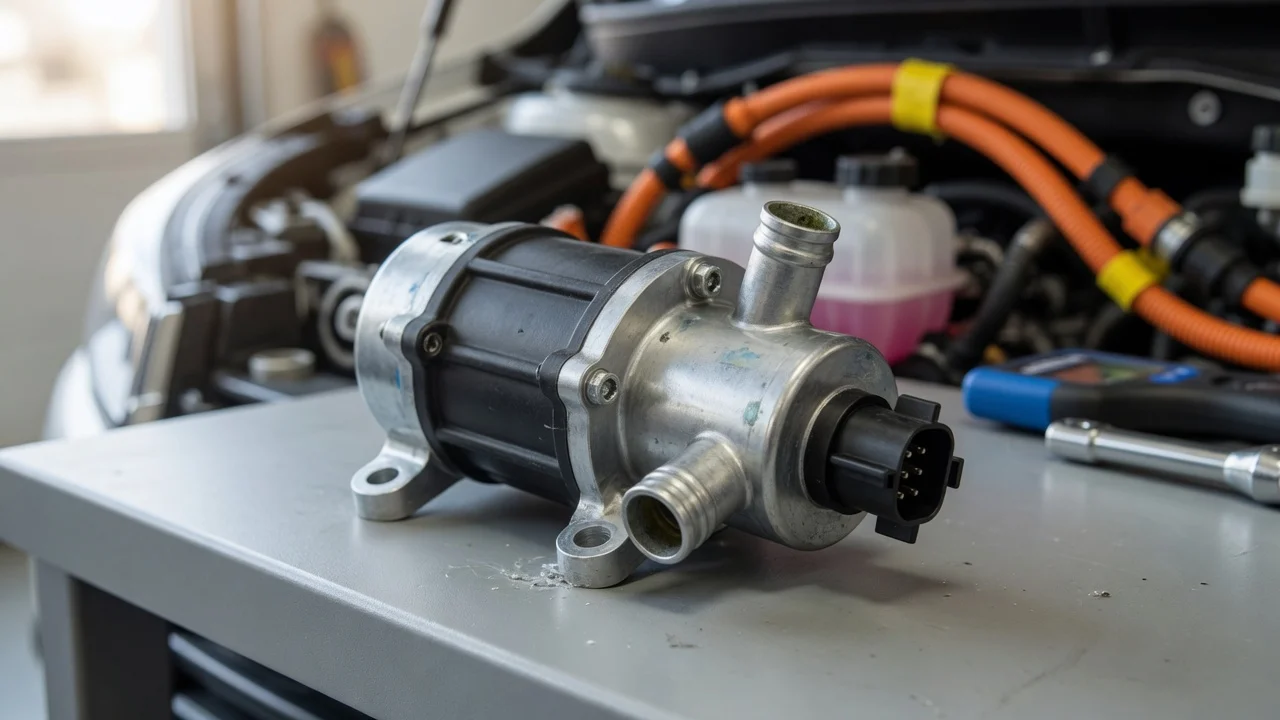
Direct answer: an electric water pump is a coolant pump driven by a 12V motor instead of an engine belt
In a conventional car, the main water pump is usually mechanical and spins only when the engine is running. An electric car water pump, often referred to as a 12V auxiliary water pump or electric coolant pump, uses a vehicle’s 12-volt electrical system to circulate coolant independently of engine speed. The scope of the term matters: on many combustion-engine vehicles, the electric pump is a secondary or auxiliary pump used for turbocharger cooling after shutdown, cabin heating, or thermal management of hybrid components. On battery-electric and some hybrid vehicles, electric pumps are frequently the primary coolant pumps because there is no belt-driven accessory drive, or because cooling must continue when the engine is off.
How a 12V electric water pump differs from a mechanical pump
A mechanical water pump is turned by the accessory belt, timing belt, or timing chain. Its flow rate rises and falls with engine rpm, which means cooling output is tied to engine speed, not to actual cooling demand. A 12V electric pump contains a small DC motor and an impeller. The engine control unit, a coolant control module, or a dedicated controller can switch it on, vary its speed, or run it for a set period after the ignition is off. This allows demand-based cooling and continued coolant movement after a hot engine shuts down.
Where a 12V electric water pump is normally used
On a gasoline or diesel car, an electric auxiliary water pump is commonly found in forced-induction cooling circuits, where it keeps coolant moving through a hot turbocharger after engine shutdown to reduce heat soak and oil coking. It can also appear as a heater circuit pump that maintains cabin heat during engine stop-start operation. On hybrid vehicles, electric pumps may cool power electronics, the traction battery, or the engine during electric-only running. On full battery-electric cars, the main coolant loop uses one or more electric pumps to move coolant through the battery, inverter, motor, and radiator. Those pumps are also low-voltage 12V components in many designs, even though the propulsion battery is high voltage.
Important qualification: 12V electric pump and a water pump for an electric car are not the same thing
The phrase “electric car water pump” can create confusion. A 12V water pump on an electric car is a cooling-system component powered by the car’s 12V auxiliary battery and low-voltage electrical architecture. It is not a high-voltage traction-motor part, and it is not a standalone pump meant to be connected directly to a household or shop power source. When researching replacement parts, the intended circuit matters: an engine auxiliary pump, a battery-loop pump, and a heater-loop pump may look similar but have different flow ratings, connector shapes, hose fittings, and control signals.
Common signs of a failing 12V electric water pump
Symptoms vary by vehicle and by which circuit the pump serves. Typical signs include a diagnostic trouble code for an open circuit, performance problem, or blocked rotor in the electric coolant pump; an overheating turbocharger or reduced cooling after engine shutdown; poor cabin heat at idle or during stop-start operation; coolant leakage from the pump body or seal; and an audible hum, whine, or buzzing that changes with commanded pump operation. In some vehicles, the pump can run after the engine is off, so a brief electrical sound from the cooling system may be normal rather than a fault.
What to check before replacing or upgrading an electric water pump
Confirm the exact original part number for your model year, engine or motor code, trim, and market. Similar housings can hide different impeller materials, flow rates, and connector pinouts. Identify whether the pump is a primary pump or an auxiliary pump. A pump listed as an auxiliary or run-on pump is not automatically interchangeable with a main coolant pump. Check the voltage and control type. Many are 12V brushed or brushless motors with a PWM signal, but some use a LIN bus or a simple on/off relay control. Inspect the electrical connector for corrosion, melted terminals, or wiring damage before condemning the pump itself. If the pump failed mechanically, flush the cooling circuit and inspect for debris that may have damaged the impeller or restricted flow. Use the correct coolant specification for the circuit. Mixing incompatible coolants can create sludge that damages a new pump.
Why an electric pump is used instead of a mechanical one
The main reason is control. A mechanical pump cannot provide meaningful flow at low engine speed when cooling demand may still be high, and it cannot run after engine shutdown. An electric pump can be operated at the speed the controller requests, or kept running briefly after the vehicle is switched off. This supports turbocharger protection, stop-start cabin comfort, hybrid component cooling, and electric-vehicle thermal management where cooling must continue without an internal-combustion engine running.
What this means for parts selection and ownership
If a fault code or cooling symptom points to an electric water pump, the repair decision should begin with the exact vehicle application. A cheap universal 12V pump is not a safe substitute for an original-equipment auxiliary pump on a turbocharged engine or a battery-cooling loop, because flow rate, pressure, seal compatibility, and control behavior affect the whole thermal system. The safest choice is an original-equipment replacement or a matched aftermarket unit listed for the specific circuit and vehicle. Where documented service information is unavailable, the practical next step is a professional diagnosis of the pump circuit rather than a guess based on a general “12V water pump” listing.
Summary of what the supplied evidence supports
The available direction and queries support the identification and ownership guidance above: an electric car water pump is a 12V coolant pump driven by an electric motor, used where cooling must be independent of engine speed or continue after shutdown. The material facts are that electric pumps are used as auxiliary pumps on combustion vehicles and as primary or auxiliary pumps in hybrid and electric vehicles, that 12V refers to the pump’s low-voltage drive rather than the propulsion battery voltage, and that replacement requires matching the exact circuit and part rather than choosing a generic pump. Specific flow ratings, connector pinouts, and model-by-model part numbers are not supplied here and must be confirmed for the target vehicle.