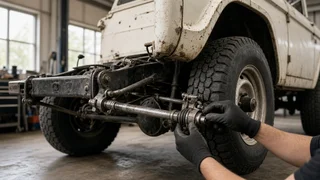
Early Ford Bronco body and interior assembly manual
Restoring an early Ford Bronco means turning scattered reference notes into a repeatable order for fitting sheet metal, glass, seals, and cabin trim. A body and interior assembly manual supports that work by organizing the factory-style arrangement of panels, fasteners, weatherstripping, and interior components without substituting guesswork for measurement. For owners working from a disassembled tub or mixing replacement sheet metal, the manual helps clarify how body openings, attachment points, and trim material relate before finish work begins. This overview explains what such a reference is and how its assembly-oriented format differs from a general repair guide.
Essential answer
An early Ford Bronco body and interior assembly manual is a reference organized around the sequence of fitting exterior panels, body mounting points, glass, seals, dash structure, seats, and interior trim. Instead of giving isolated repair steps, it groups related assembly details so a builder can see how a fender, inner skirt, cowl, door opening, and rocker panel share fasteners and alignment surfaces. The value is in showing relationships between components during reassembly, especially when original hardware is missing or a vehicle has been taken apart by a previous owner.
Because the Bronco used a simple body-on-frame structure, many assembly questions involve the order of installing sheet metal before interior finish panels. A useful reference will typically address surface preparation and material compatibility where sealants, anti-rattle materials, or adhesive-backed insulation meet painted steel. It may also clarify the correct attachment points for dash pads, door panels, or seat belts so that a repair method does not trap moisture or interfere with moving controls. The manual is therefore an assembly guide, not a substitute for confirming the condition of each reproduced or reused part on the specific Bronco being rebuilt.