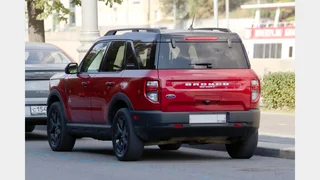
Ford Bronco New Model: What the Current Bronco Is and How It Differs
When people search for the Ford Bronco new model, they usually mean the current-generation Bronco that Ford brought back for the 2021 model year after a gap of roughly a quarter century. The phrase can also point to the smaller Bronco Sport, which went on sale around the same time but is a different vehicle. This guide explains what the new Bronco is, how it differs from its siblings and predecessors, and how to tell which model year and configuration you are looking at.
The Short Answer
The new Ford Bronco is a body-on-frame, four-wheel-drive SUV designed for serious off-road use, with removable doors and roof panels. It is generally treated as the sixth generation of the Bronco name. It returned for the 2021 model year in the US market and has continued since, with annual changes to trim levels, packages and options. The key qualification is that Ford sells two vehicles under the Bronco name: the full-size Bronco and the compact Bronco Sport. They share styling cues and branding but differ in construction, size and purpose.
Bronco vs. Bronco Sport
The distinction matters more than any trim difference, because the two vehicles are built on fundamentally different foundations.
Aspect | Bronco | Bronco Sport; Construction | Body-on-frame, the traditional truck-style layout | Unibody, shared with Ford's compact crossover architecture; Body styles | Two-door and four-door | Four-door only; Drivetrain focus | Dedicated four-wheel-drive system aimed at heavy off-road use | All-wheel drive aimed at light trail use and everyday driving; Roof and doors | Removable roof panels and removable doors | Fixed roof and doors; Typical role | Off-road-focused SUV in the vein of the original Bronco | Smaller, more road-oriented crossover with off-road styling
If a listing or conversation mentions a "new Bronco" without further detail, it is worth confirming which of the two is meant before comparing prices, capability or features.
How the New Bronco Differs From the Original
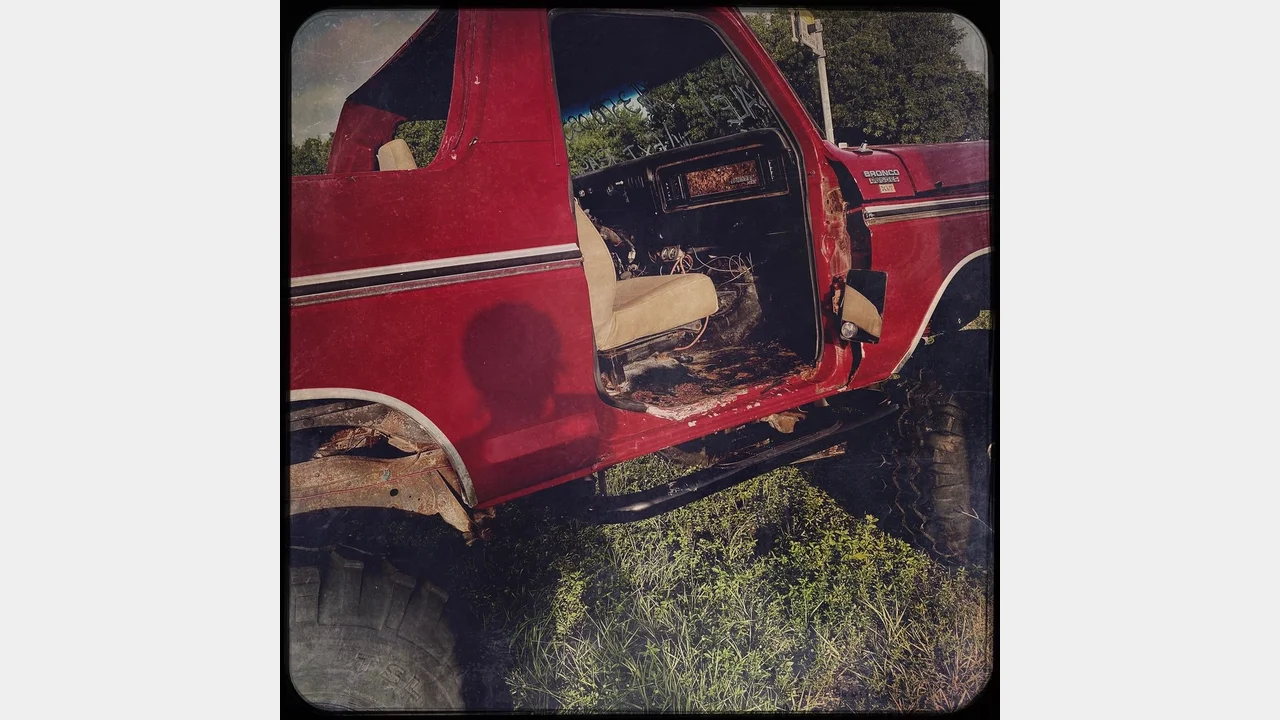
The first-generation Bronco, launched for 1966, was a compact two-door off-roader. Later generations grew into a full-size SUV based on Ford's F-Series pickup, and production of that line ended after the 1996 model year. The current Bronco borrows the round headlamps, upright profile and removable-top concept of the early trucks, but it is an entirely modern vehicle. It shares its underlying frame architecture with the global Ford Ranger rather than the F-150, and it uses current turbocharged engines, modern driver-assistance technology and digital infotainment. In other words, the new model is a revival of the name and design spirit, not a continuation of the old platform.
Body Styles
The full-size Bronco is offered in two body styles. The two-door has a shorter wheelbase, which generally helps maneuverability on tight trails, while the four-door adds rear passenger and cargo space for daily use. Both have removable doors, and the roof is typically available as a hard top with removable sections, with soft-top options offered on some configurations depending on model year and trim.
Powertrain Configurations
A powertrain configuration is the combination of engine, transmission and drive system. For the US-market Bronco, Ford has primarily used turbocharged EcoBoost gasoline engines: a 2.3-liter four-cylinder and a 2.7-liter V6 in mainstream trims, and a larger 3.0-liter twin-turbo V6 in the high-performance Raptor. A 10-speed automatic is the main transmission, and a manual gearbox has been offered with the four-cylinder in some years. Engine and transmission availability has varied by model year and trim, so any specific build should be checked against the lineup for its own year rather than assumed from earlier models.
Trim Levels and Packages
A trim level is a predefined grade of equipment. The Bronco lineup has used names such as Base, Big Bend, Black Diamond, Outer Banks, Badlands, Wildtrak, Everglades, Heritage editions and Raptor, though not every name has been offered in every year. Broadly, the lineup splits into three groups:
Entry and mid-level trims focused on value and everyday usability; Comfort-oriented trims such as Outer Banks with more interior and appearance features; Off-road-focused trims such as Badlands, Wildtrak and Raptor with upgraded suspension, larger tires and additional traction hardware
Ford also offers option packages that can cut across trims. The best-known is the Sasquatch package, which adds larger off-road tires and related hardware. Because Ford reshuffles trims and packages from year to year, comparing two Broncos by trim name alone can be misleading; compare the actual equipment listed for each vehicle.
Market Specification
Market specification refers to the version of a vehicle built for a particular country or region, which can differ in engines, equipment, emissions systems and lighting. This guide covers the US-market Bronco. Ford has also introduced Bronco-branded vehicles for other markets, including a China-focused model with electrified powertrains, that are distinct from the US body-on-frame Bronco. Information about one market's version should not be assumed to apply to another.
Model Year vs. Build Date
The model year is the year Ford assigns to a vehicle for registration and specification purposes, and it often does not match the calendar year the vehicle was built. A Bronco produced in late summer or fall may already carry the following model year. This matters because equipment and options can change between model years, and because production timing has shifted during the current generation. Two ways to confirm what you are looking at:
VIN tenth character: in the 17-character vehicle identification number, the tenth position encodes the model year. For recent Broncos, M indicates 2021, N indicates 2022, P indicates 2023, R indicates 2024, S indicates 2025 and T indicates 2026. Door-jamb certification label: the sticker on the driver's door frame shows the month and year of manufacture, which is the build date rather than the model year.
Using both together tells you which model year's specifications apply and when the specific vehicle was produced, which is useful when checking recall coverage, mid-year changes or a used vehicle's history.
Choosing the Right Bronco
For a buyer, the practical sequence is to decide first between the Bronco and Bronco Sport based on how much off-road capability you actually need, then choose a body style, then narrow down trim and powertrain for the specific model year you are considering. Readers who mostly drive on paved roads with occasional gravel or trail use may find the Bronco Sport sufficient. Those who plan regular off-road driving, want removable doors and roof, or value body-on-frame durability are the core audience for the full-size Bronco. In either case, confirm the model year from the VIN and review the equipment list for that exact vehicle before comparing prices or capability.