E4 Marking on a Tire
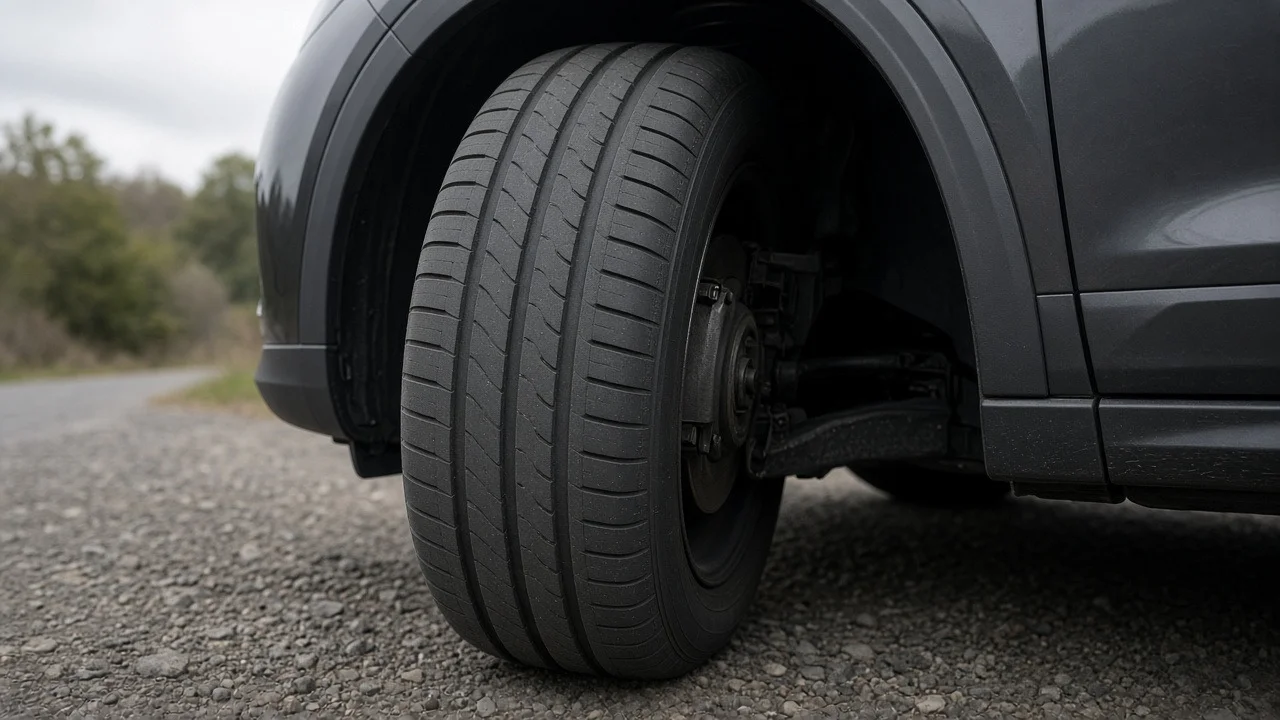
A tire sidewall carries more than the tire size and brand. Among the molded codes, an E4 marking often raises questions about speed capability, certification, or suitability for a particular vehicle. In the US market, this marking is easy to misread because it can point toward two different systems depending on where it appears and how it is stamped. Understanding the context around the letters and numbers helps a driver avoid confusing a European approval indicator with the service description that defines a tire’s speed rating and load index.
Essential answer
The essential answer is that “E4” on a tire is not itself a speed rating in the familiar US letter system such as S, T, H, or V. When E4 appears within a circle or a rectangular approval frame, it is a European type-approval mark indicating the country that certified the tire under ECE regulations; in that context, the 4 identifies the Netherlands as the approving authority. The mark confirms regulatory compliance for sale in many markets, not the tire’s maximum safe speed for a given load.
To determine the actual speed capability, a buyer should look at the service description molded near the tire size. It combines a load index number and a speed symbol letter, such as 91H or 94V. The speed symbol defines the certified maximum speed when the tire is properly inflated and carrying an approved load. An E4 approval mark may appear alongside that description, but the two serve different functions and should not be confused.