E-Check Emissions Testing in Twinsburg: What It Is and How It Works
If you live in Twinsburg and your vehicle registration renewal notice mentions E-Check, you are dealing with Ohio's vehicle emissions testing program. Twinsburg is in Summit County, one of the Northeast Ohio counties where passing an emissions test is a condition of renewing registration for many vehicles. This guide explains what the E-Check test is, which vehicles are typically covered, how the test is performed, why vehicles fail, and what to do before and after your visit.
The Short Answer
E-Check is Ohio's emissions compliance program, administered at the state level and applied only in a group of Northeast Ohio counties, including Summit County. For a Twinsburg resident, it means that most gasoline and light-duty diesel passenger vehicles within a certain age range must pass an emissions check before the registration can be renewed. It is not a safety inspection: the test looks at how the engine and emissions control systems are performing, not at brakes, tires or lights.
Whether your specific vehicle needs a test depends on its model year, fuel type, weight class and registration county. Program rules, including exemptions, schedules and any fees, can change, so the requirement printed on your registration renewal notice is the most reliable indicator for your vehicle.
Who Typically Needs an E-Check
The program is aimed at everyday light-duty vehicles registered in the participating counties. In general terms, the following patterns apply:
Vehicles registered in a participating county such as Summit County are subject to the program; where you register the vehicle matters more than where you happen to drive it. Testing is generally required every other year rather than annually, with the cycle tied to the vehicle's model year. Newer vehicles are usually exempt for their first few years, and very old vehicles beyond a set age are also typically exempt. Fully electric vehicles and motorcycles are generally outside the program because they lack the gasoline or diesel emissions systems the test evaluates. Heavier vehicles above the program's weight limit are typically not included.
Because exemption thresholds are defined by model year and can be updated, check your renewal notice rather than relying on a rule of thumb if your vehicle is near the edge of an age or weight category.
How the E-Check Test Works
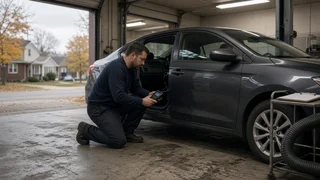
For the modern vehicles that make up most of the tested fleet, E-Check is an on-board diagnostics test, often called an OBD-II test. Instead of measuring exhaust gases with a tailpipe probe, the testing equipment connects to the vehicle's diagnostic port, usually located under the dashboard near the steering column, and reads information stored by the engine computer.
The test generally looks at three things:
Malfunction indicator lamp status: whether the check engine light is commanded on. Stored diagnostic codes: whether the computer has recorded faults related to emissions systems. Readiness monitors: whether the vehicle's self-tests for systems such as the catalytic converter, oxygen sensors and evaporative system have completed since codes were last cleared or the battery was disconnected.
Ohio has offered both staffed testing facilities and self-service options in the E-Check region. The locations, hours and formats available near Twinsburg can change, so confirm current options through the official program channels before you go.
How E-Check Differs From Other Inspections
Aspect | E-Check emissions test | General safety inspection; Purpose | Confirms emissions control systems are working | Checks components such as brakes, lights and tires; Applies in Twinsburg | Yes, for covered vehicles registered in Summit County | Ohio does not require a routine statewide safety inspection for typical passenger cars; Method for modern vehicles | Computer data read through the OBD-II port | Visual and physical inspection; Tied to | Registration renewal in participating counties | Varies by state; not part of standard Ohio passenger car renewal
It also differs from older emissions programs that ran vehicles on a dynamometer and sampled exhaust directly. The OBD-based approach relies on the vehicle's own sensors and monitoring logic, which is why a lit check engine light or incomplete readiness monitors matter so much.
Common Reasons a Vehicle Fails or Is Rejected
Most problems fall into a few categories. Understanding them helps you decide whether to visit a repair shop before testing.
Check Engine Light On
An illuminated check engine light usually indicates an active emissions-related fault and is a common cause of failure. The underlying causes range from minor, such as a loose fuel cap triggering an evaporative system code, to more significant issues.
Oxygen Sensor Faults
Oxygen sensors measure the oxygen content in the exhaust so the engine computer can adjust the air-fuel mixture. A failing or slow-responding oxygen sensor can set diagnostic codes, affect fuel economy and prevent the catalyst monitor from completing.
Catalytic Converter Efficiency
The catalytic converter chemically reduces harmful exhaust gases. When the downstream oxygen sensor indicates the converter is not working efficiently, the computer may set a catalyst efficiency code. Converter problems are often a symptom of something else, such as misfires or an engine burning oil, so diagnosing the root cause matters before replacing the part.
Exhaust Leaks and Mounting Problems
An exhaust leak upstream of an oxygen sensor can draw in outside air and skew sensor readings, leading to false lean conditions and related codes. Damaged hangers, worn gaskets or loose mounting hardware on exhaust components can contribute to leaks and rattles. These issues are usually inexpensive to identify with a visual inspection but can cause confusing diagnostic results if overlooked.
Readiness Monitors Not Set
If codes were recently cleared, the battery was disconnected or replaced, or the engine computer was reset after a repair, the readiness monitors start over. The vehicle may be turned away or fail until enough normal driving, including a mix of city and highway conditions, allows the monitors to complete. Clearing codes right before a test does not help and often guarantees an incomplete result.
Preparing for Your Test
Check your registration renewal notice to confirm the vehicle requires testing this cycle. If the check engine light is on, have the diagnostic codes read and the fault repaired before testing. Avoid disconnecting the battery or clearing codes shortly before your visit; allow normal driving afterward so readiness monitors can complete. Make sure the fuel cap is present and seals properly. Drive the vehicle for a while before testing so the engine is at normal operating temperature. Bring your registration paperwork or renewal notice in case it is needed.
If Your Vehicle Fails
A failed E-Check result typically comes with a report showing why the vehicle did not pass, often including the diagnostic codes recorded. Take this report to a qualified repair facility so the technician can begin with the exact faults identified. After repairs, drive the vehicle long enough for readiness monitors to complete, then retest.
Ohio's program has historically included provisions for situations where a vehicle cannot pass despite documented repair efforts, as well as extensions for certain circumstances. Eligibility conditions are specific and subject to change, so confirm the current rules with the program before assuming a waiver or extension applies.
Bottom Line for Twinsburg Drivers
For most Twinsburg vehicle owners, E-Check is a routine step in registration renewal: a computer-based check of emissions systems that a well-maintained vehicle with no check engine light and completed readiness monitors should pass without trouble. If a warning light is on or you have recently had repairs or battery work, address that first, give the vehicle time to complete its self-tests, and use your renewal notice and official program information to confirm current testing locations and requirements.