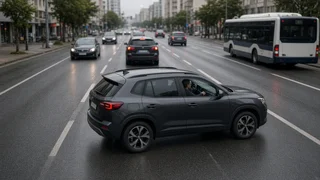
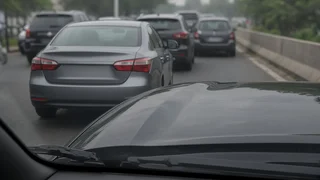
Driving in congested traffic
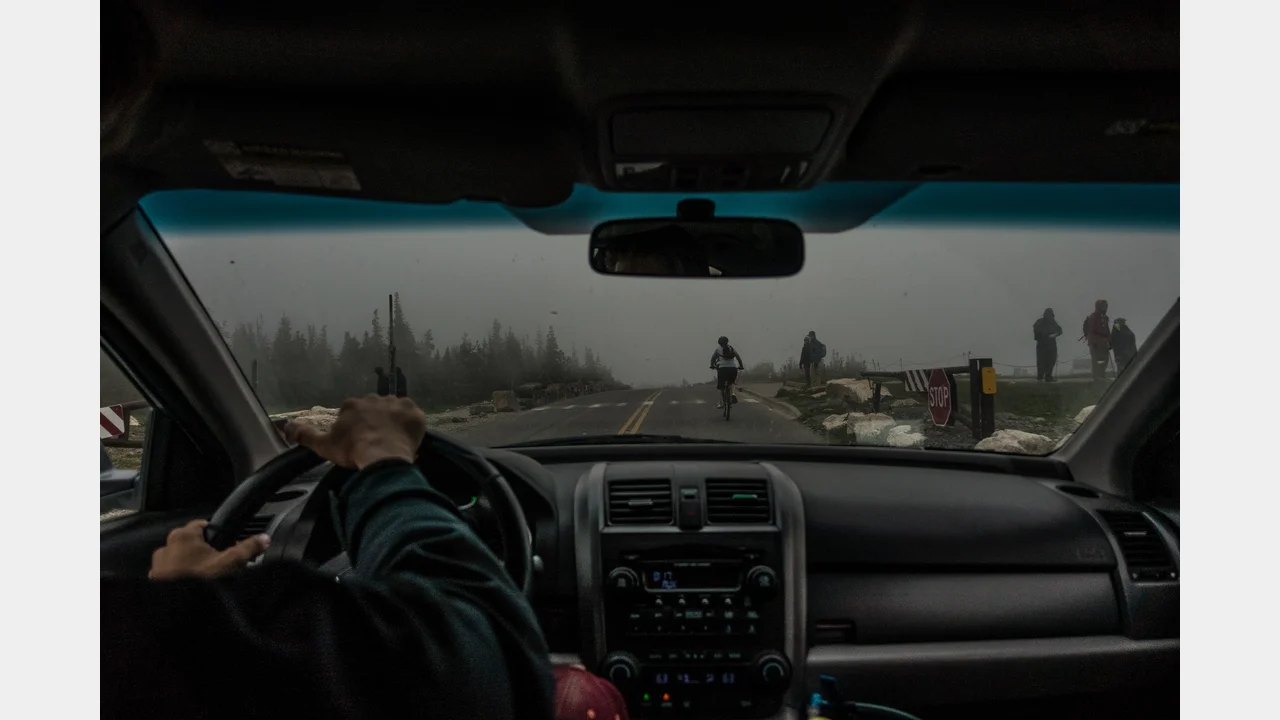
Driving in congested traffic changes almost every normal habit behind the wheel, from acceleration and braking to how a driver reads gaps and positions a vehicle. Stop-and-go flow reduces reaction time, hides road markings, and makes following distance harder to hold. The goal is not simply to move forward, but to move predictably while protecting visibility, right of way, and driver attention. Understanding how dense traffic alters vehicle control helps a motorist choose smoother inputs, avoid unnecessary lane changes, and recognize why patience often matters more than finding the fastest position in the queue.
Essential answer
The essential answer is that driving in congested traffic requires a deliberate shift from making progress to managing space. In free-flowing conditions, a driver mostly controls speed and direction. In dense traffic, speed is controlled by surrounding vehicles, so the driver’s real job becomes controlling the gap ahead, monitoring adjacent lanes, and reducing abrupt inputs. This shift matters because a car that constantly accelerates and brakes wastes fuel, increases wear, and sends confusing signals to following drivers. Smooth throttle use and early brake release help stabilize the line of traffic behind, which can reduce the wave-like stop-and-go pattern that often appears without any obvious crash or obstruction.
Congested traffic also narrows the margin for error. A following distance that feels acceptable at low speed may still be too short when the driver ahead brakes unexpectedly or a vehicle cuts into the gap. Because many drivers focus only on the car immediately in front, they react late and then brake harder than necessary. Looking further ahead through the windows of nearby vehicles and watching brake lights two or three positions forward gives earlier warning. This wider field of attention helps a motorist preserve right of way correctly, identify lane changes before they become urgent, and maintain a buffer that improves visibility without stopping all forward progress.