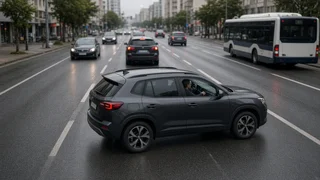
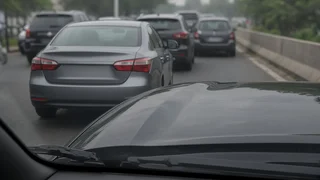
Drive in Lima, Peru traffic
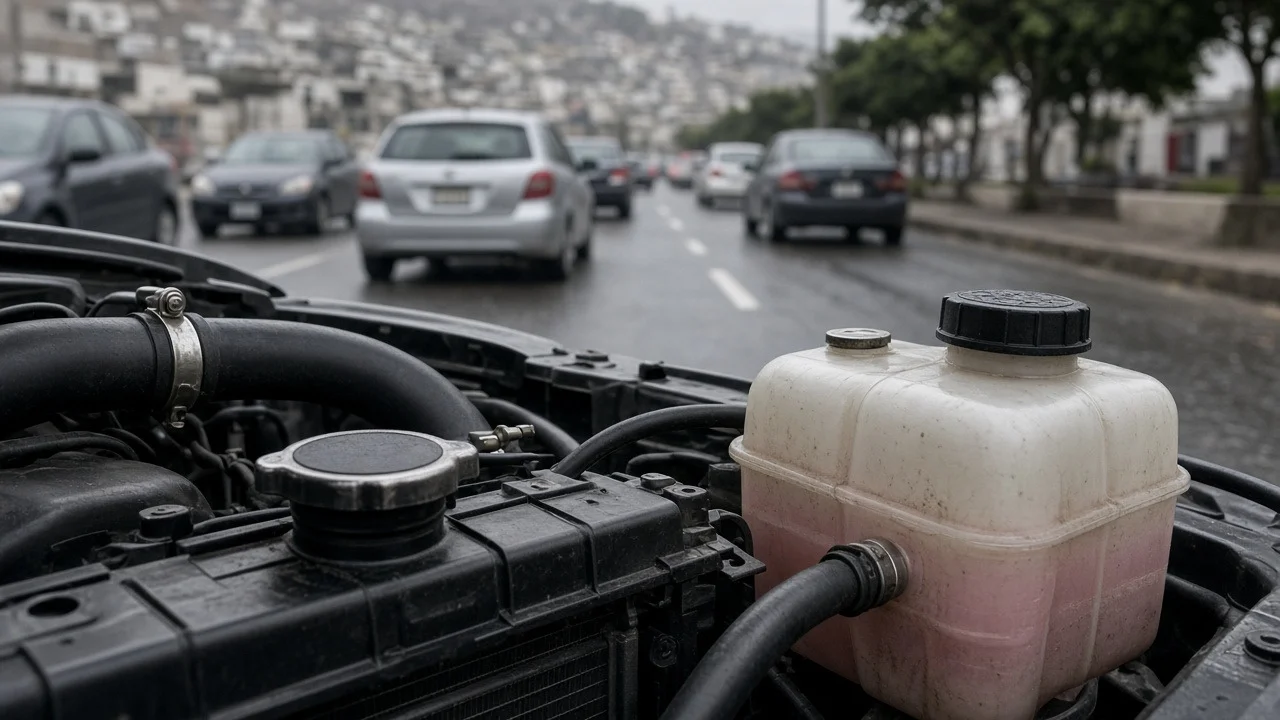
Driving in Lima, Peru traffic requires a different mental model than most US commutes. Dense vehicle flows, buses merging aggressively, and informal intersection behavior make predictable movement the core survival skill. The supplied search topic has no reliable fixed statistics, so the useful answer is not a number; it is a set of defensive habits. Lima’s congestion combines ocean-side geography, limited express routes, and high collective vehicle volume. Understanding how lane priority, visibility, and following distance work there helps a visitor or resident anticipate conflict before it becomes a collision.
Essential answer
Lima traffic is best understood as a continuous negotiation of space rather than a strict sequence of posted rules. The essential answer is that safe progress depends on reading driver attention, road markings, and nearby movement in real time. Many vehicles do not honor right of way the way US drivers expect, so a green light or a marked lane does not guarantee protection. Intersections and merges are resolved by presence and timing, which means a driver must commit clearly but remain able to stop.
At the same time, the scale of Lima’s congestion shapes every trip. Rush-hour volume can turn short distances into long waits, and informal buses or colectivos stop frequently in travel lanes. Road conditions vary from smooth coastal avenues to broken pavement and dust in outer districts. Reduced visibility from fog, glare, or windshield haze makes following distance especially important. Therefore, the direct answer is not a single rule but a supported approach: expect interruption, manage speed, use clear signals, and treat every gap as temporary.