Dog Clutch Manual Transmission
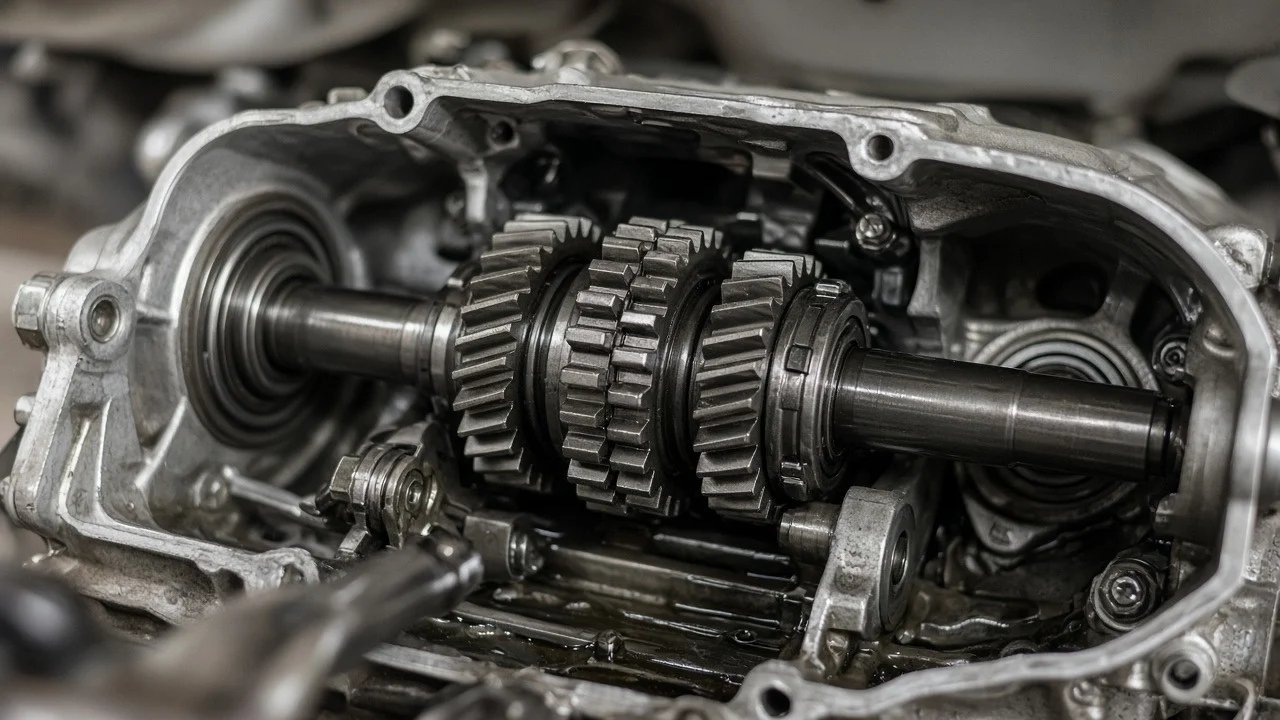
A dog clutch manual transmission replaces the usual synchronizer rings with coarse, interlocking dogs that engage positively when shifted. This design is common in racing and sequential gearboxes because it allows rapid, low-drag gear changes, but it changes shift behavior and driver involvement. Understanding how this transmission type operates helps clarify fitment, service history concerns, and whether its distinctive engagement suits a street or competition vehicle.
Essential answer
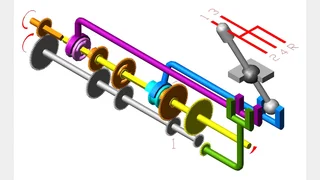
A dog clutch manual transmission is a gearbox that uses face-mounted dogs—large, squared protrusions on a selector hub and gear—instead of cone-type synchronizers to lock a gear to its shaft. The driver or shift mechanism slides the engagement ring until the dogs mate, creating a direct mechanical connection. This setup is usually found in straight-cut or helical racing gear sets where shift speed and reduced rotating drag matter more than silent operation.
Because the dog clutch manual transmission relies on abrupt positive engagement rather than friction synchronization, shift behavior is firmer and often requires deliberate, rapid inputs. The design can tolerate abuse under load but may wear dogs or selector forks if shifts are lazy or mis-timed. That distinction is essential: the transmission type indicates a competition-oriented mechanism, so repair options and fluid specification should be chosen with that harder-working environment in mind.