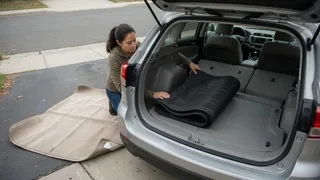
Dog car cargo liner
Choosing a dog car cargo liner means looking beyond the generic mat image and matching the liner to how the cargo area is actually used. Surface material, mounting points, clearance around tie-downs and seatbacks, load rating, corrosion protection, and product compatibility all affect whether a liner stays put, protects the floor, and remains safe for a moving dog. For a commercial purchase, the practical goal is a liner that fits the vehicle’s cargo bay shape closely, resists moisture and claw damage, and can be cleaned without removing factory hardware or blocking safety features.
The direct answer
A dog car cargo liner should be selected first for fit and surface material, not for padding or appearance alone. The liner needs to follow the cargo floor closely enough that a shifting dog cannot bunch it, while leaving clearance for seatback movement, hatch latching, and any side storage. A semi-rigid or quilted waterproof surface generally performs better than a thin universal mat because it resists folding under claws and contains wet fur or spilled water before it reaches the carpet or underlying corrosion protection.
Confirm product compatibility with the specific cargo bay shape, including wheel arch cutouts, raised floor sections, or third-row hardware. Mounting points are useful only if they align with existing anchors or can be secured without interfering with the hatch. Because manufacturer-dependent dimensions vary, check the liner’s overall footprint and sidewall height against the vehicle before assuming a universal size will fit. A properly matched liner can protect the surface material and make routine loading of a wet or dirty dog far simpler.