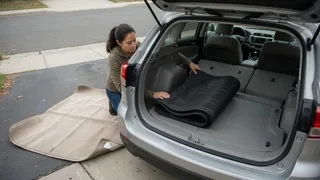
Car Cargo Liner for Dogs
Choosing a car cargo liner for dogs means matching the liner to how your pet rides, the cargo area shape, and the mess you expect to manage. A liner should protect carpet and seatbacks while staying secure during cornering and sudden stops. The right surface material, mounting points, and fit make loading easier and reduce claw damage. Without confirming product compatibility, a seemingly universal cover may block rear climate vents, storage bins, or lower anchor points. This guide explains what to check before buying so the liner fits the vehicle and your dog's actual travel habits.
The direct answer
The direct answer is to select a liner that matches the cargo floor dimensions, rear seatback angle, and available attachment points in your specific vehicle. A useful liner covers the load floor and rises onto the seatbacks or sidewalls, but it should not interfere with the tailgate latch or rear-seat folding hardware. Since there is no universal pattern, product compatibility matters more than a higher price. Before purchase, measure the usable floor width and length, note any raised wheel arches or cargo tie-downs, and check whether the liner must work with a third-row seat that folds flat or removes.
A liner's surface material determines how well it resists wet fur, mud, and claw punctures. Textured or quilted faces help a dog keep footing, while smooth surfaces may slide under movement. Look for a backing that resists water soaking through to the carpet and edges that can be raised slightly along the load floor perimeter. Mounting points should line up with existing headrest posts, cargo hooks, or seat anchors. If the liner relies on straps around second-row headrests, confirm that the rear seats still recline or fold without stretching the cover enough to pull it loose.