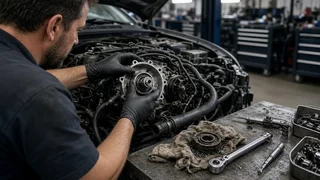
Does a Bad Water Pump Affect the Car Heater
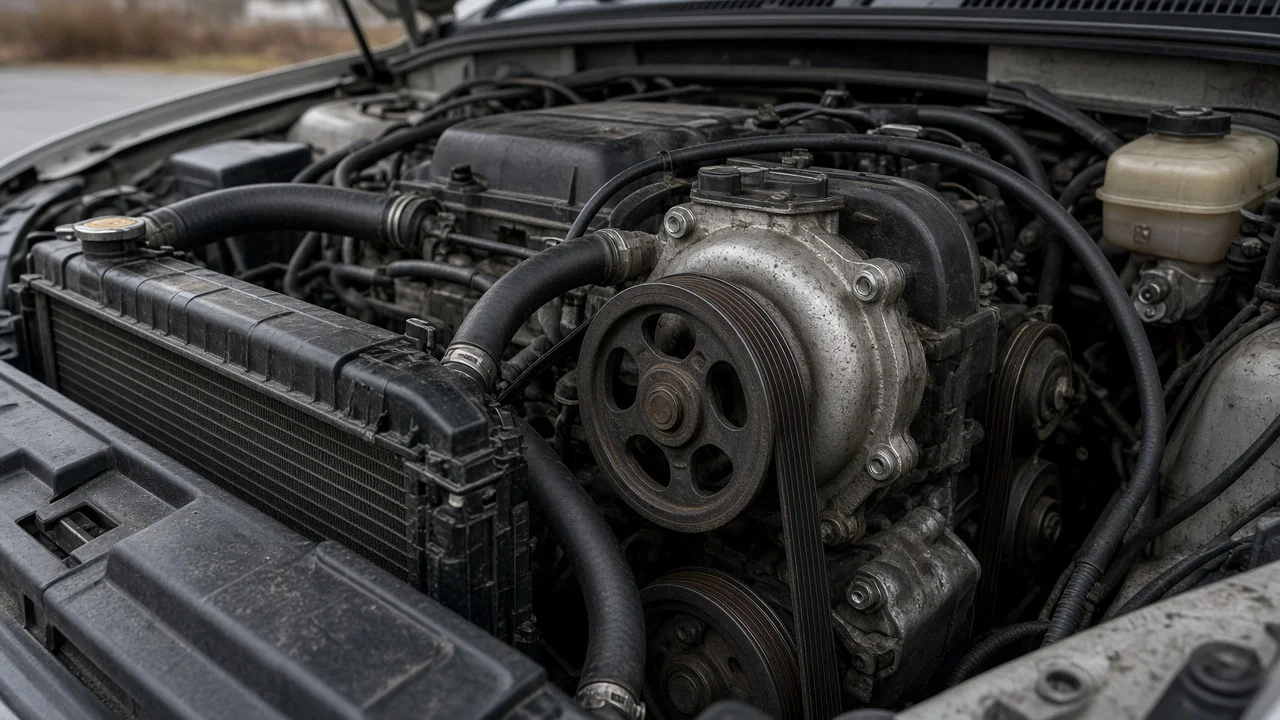
A weak or failing water pump can absolutely reduce cabin heat, even when the engine reaches normal temperature. The heater core relies on a steady flow of hot coolant, and the water pump is the component that forces that flow through the cooling circuit. If the impeller slips, erodes, or stops turning, circulation becomes weak or intermittent. That can leave the heater core starved of hot coolant while the radiator still receives enough heat to keep the gauge stable. Drivers often notice lukewarm air first, especially at idle or low speed, and the symptom may appear before any overheating warning.
Essential answer
Yes, a bad water pump affects heater performance because the heater core is a small radiator placed inside the HVAC case. It does not create heat on its own. It transfers heat from coolant that must keep moving through the heater inlet and outlet. When the pump cannot move enough volume, coolant inside the core cools off and is not replaced quickly. The blower then carries less warmth into the cabin. This reduction can happen with an intact thermostat and a normal temperature gauge, so interior comfort changes deserve attention even without a high coolant temperature reading.
The effect depends on how the pump fails. A leaking seal may lower coolant level first, allowing air pockets to collect in the heater core and block heat transfer. A worn or broken impeller may still spin but move too little coolant, particularly at idle. At higher engine speed the flow can improve slightly, which is why heat sometimes returns on the highway. Because heater output depends on both coolant temperature and flow, diagnosing the system requires checking level, circulation, and the pump condition rather than assuming the thermostat is the only possible cause.