Dodge Ram Transmission Limp Mode Diagnosis
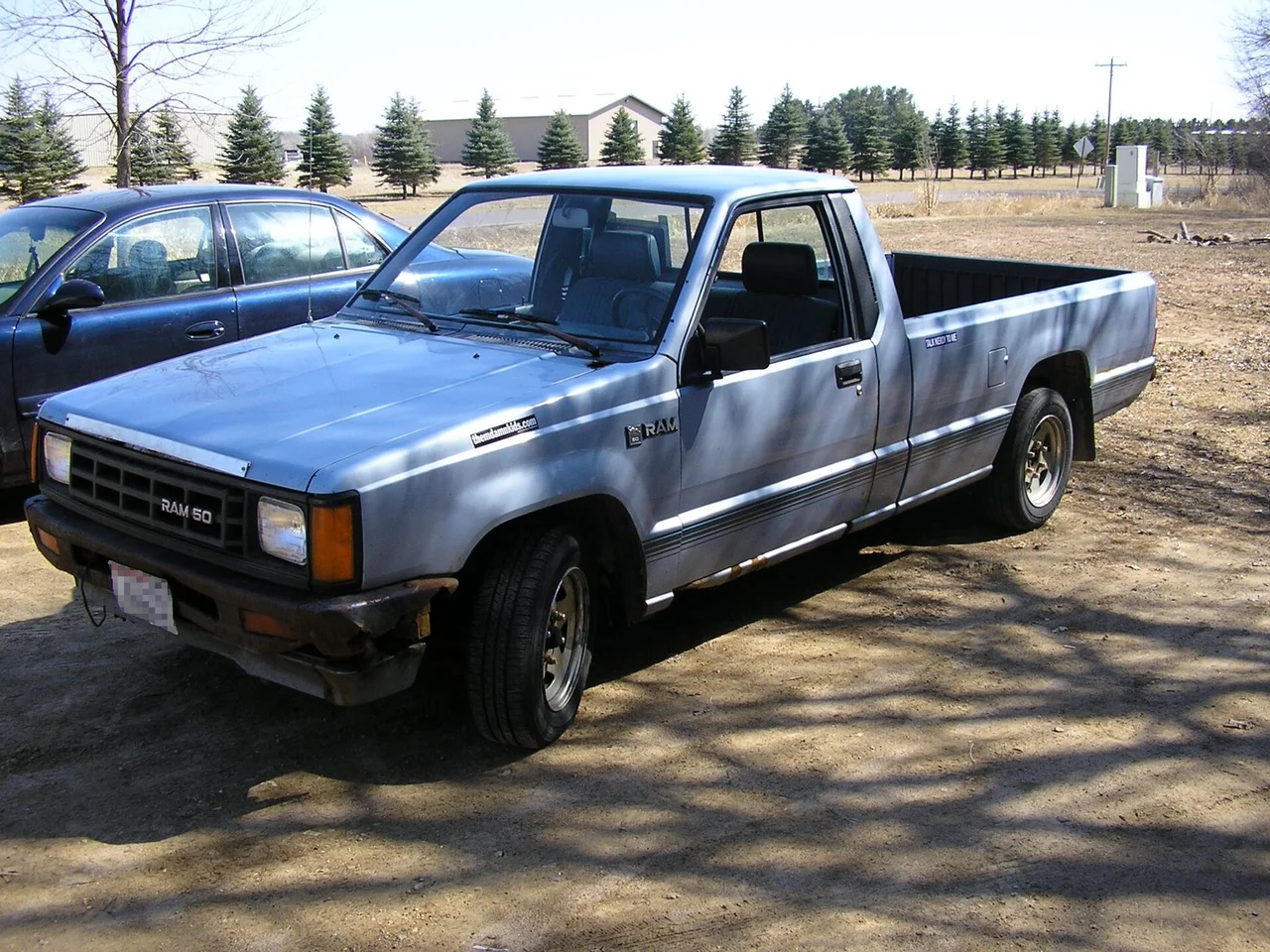
When a Dodge Ram drops into limp mode, the transmission control module has detected a fault it does not trust and has switched to a protective default, usually one fixed forward gear plus reverse. The truck still moves, but it accelerates slowly and shifts harshly or not at all. Limp mode is a protective response, not a diagnosis. The goal is to find which input or component triggered it before buying parts, and the right path depends on which transmission your Ram actually has.
Establish the symptoms
Start by confirming the transmission type. Over the years Ram trucks have used older RE-family automatics such as the 46RE, 47RE and 48RE, the electronically controlled RFE family including the 45RFE, 545RFE, 65RFE, 66RFE and 68RFE, Aisin heavy-duty automatics behind some Cummins engines, and ZF-based eight-speed units in many later light-duty trucks. These differ in fluid specification, fill and check procedure, default gear and diagnostic strategy. The same model year can carry different transmissions depending on engine, drivetrain and duty rating, so confirm the unit from the build sheet, the identification tag on the transmission case, or a dealer lookup by VIN rather than guessing from the year alone.
Then write down exactly when limp mode appears. Note whether it happens on a cold start or only once the truck is fully warm, while towing or climbing, at highway speed, or at a particular upshift or downshift. Record which warning lights come on, whether the speedometer drops out or jumps, whether you feel slipping, flare or a harsh engagement, and whether the problem clears after the engine is shut off and restarted. Recent changes matter just as much: a battery replacement or jump start, a fluid service, a lift or new tire size, an aftermarket tuner, harness or transmission work, a hard impact, or driving through deep water.
Distinguish plausible causes
Several unrelated faults produce the same reduced-gear behavior. Low, overfilled, degraded or incorrect fluid can cause pressure and ratio errors. Electrical supply problems, such as a weak battery, a failing alternator, loose grounds or a poor connection at the transmission control module, can make the module see implausible readings. Sensor faults, especially the input and output speed sensors and their wiring, leave the module unable to calculate gear ratio. Hydraulic and solenoid faults, including the solenoid pack and pressure switches on RFE units or valve body problems, affect clutch apply. Internal wear, such as burned clutches or a failing pump, is the most expensive possibility and should be demonstrated rather than assumed.
Your notes help rank these. Limp mode that coincides with flickering lights, slow cranking or codes from several modules points toward voltage or grounds. A speedometer that drops out at the same moment favors the output speed signal path. A fault that appears only when the fluid is hot after towing suggests fluid level, condition or overheating. Ratio errors combined with noticeable slipping and dark, burnt-smelling fluid make internal damage more likely. A fault that clears with a restart and returns at random intervals often has an intermittent electrical cause. Also separate true transmission limp mode from an engine power reduction, which can feel similar but is set by a different module for different reasons.
Checks in a useful order
Begin with checks that need no special skill. Pull over safely, note the warning lights, and read the diagnostic codes with a scan tool that can access the transmission module, not just generic engine codes. A basic reader may show only a code indicating that the transmission module has stored a fault, without the specific code behind it. Save the codes and any freeze frame data before clearing anything. Check battery voltage with the engine off and again with it running; low or unstable charging voltage should be corrected before any transmission conclusions are drawn.
Next, check fluid where the design allows it. RFE units with a dipstick are generally checked with the engine running, the truck level, the selector in park and the fluid at the temperature range marked on the dipstick, because a cold reading is misleading and overfilling can cause its own problems. Many eight-speed units have no dipstick and require a fill-plug check at a specific fluid temperature monitored with a scan tool, which is normally a shop procedure. RFE units are generally specified for ATF+4, while other designs use different fluids, so confirm the requirement in the owner manual or service information. Look for leaks, a burnt smell or debris, and inspect visible connectors and harness routing for corrosion, damage or chafing, especially near recent work.
Beyond that, the tests require equipment and specifications: watching live speed sensor and pressure switch data, commanding solenoids, pin-testing wiring and connectors, measuring line pressure, checking for transmission control software updates, and performing the adaptive relearn procedure required after many repairs. These are best handled by a qualified transmission technician. Clearing codes and driving on is not a test; it only erases evidence if the fault returns.
Interpret the findings
A diagnostic code identifies a circuit or condition the module judged out of range, not a confirmed failed part. A speed sensor code can come from the sensor, its connector, damaged wiring, the module or an internal issue affecting the signal. Pressure codes such as P0868 or P0869 can reflect low fluid, a restricted filter, a solenoid or regulator fault, pump trouble or wiring. Gear ratio codes mean the measured ratio did not match the commanded gear, which can stem from fluid, hydraulic control or worn clutches. Voltage codes such as P0562 and communication codes such as U0101 point attention toward power, ground and network wiring before the transmission itself.
Treat each result as narrowing the field rather than closing it. If charging voltage was low, repair that first and see whether the transmission faults return. If fluid was low, find and fix the leak, refill with the correct fluid to the correct level, and recheck; returning codes mean fluid was not the whole story. Replacement should follow a pinpoint test that isolates the part, such as confirming a sensor signal is missing at the connector while wiring checks good. Service history adds context: a recent fluid change with the wrong fluid, an earlier solenoid pack replacement or a skipped relearn can explain a new fault. Any replacement part must match the exact transmission model and configuration, since fitment varies between versions.
Urgency and next action
Stop driving and arrange transport if you see smoke or smell burning fluid, find fluid leaking heavily, hear grinding or loud mechanical noise, get a transmission overheat warning, or the truck fails to engage drive or reverse or slips badly. Do not tow a trailer in limp mode. Even without those signs, reduced acceleration makes merging and highway driving hazardous, so limit use to reaching a safe place or a shop. There is no reliable figure for how far a truck can safely go in limp mode, because that depends entirely on the underlying fault.
Bring the shop the information that shortens diagnosis: the VIN and confirmed transmission model, every stored code with freeze frame data, your notes on when the problem occurs, the service history including fluid type used, and any modifications such as tire size changes, lifts or engine tuners. Repair options range from wiring or connector repair, a sensor, a battery or charging fix, or a software update, through solenoid pack or valve body work, to a rebuild or replacement transmission. Ask the technician which test result confirmed the recommended repair before approving larger work.