Dodge, Ram and Chrysler windshield molding
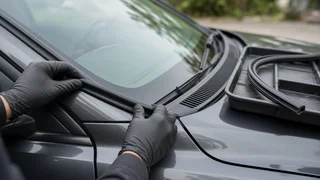
Windshield molding on Dodge, Ram, and Chrysler vehicles does more than finish the glass edge. It covers the gap between the windshield and the body, manages water flow, and reduces wind noise. Weather, sun exposure, and age can make these trim pieces shrink, warp, or lift. The result is often a loose strip, a water leak, or an annoying whistle at highway speed. Understanding how these moldings differ by body style and where they fail helps you decide whether a replacement is the right repair.
Essential answer
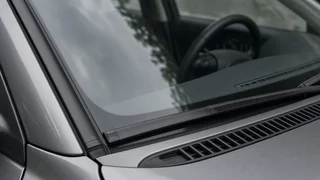
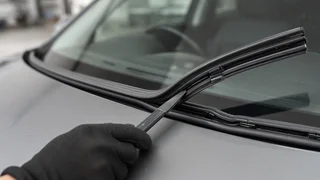
Windshield molding is the exterior trim that surrounds the glass and bridges it to the roof pillars and cowl. On many Dodge, Ram, and Chrysler models, this part is a retention-style or cosmetic molding that uses clips, adhesive, or a channel to stay in place. It protects the urethane seal from direct UV exposure and helps direct rain away from the windshield opening. Over time, the plastic or rubber can become brittle, shrink, or pull away from the body, especially on wide pillars where heat builds up more quickly.
The exact replacement part and fit vary by platform. A Chrysler 300 windshield pillar molding fits the roof channel with a different profile than a Dodge Ram 1500 windshield molding, while a Chrysler Crossfire upper windshield molding must match that coupe's steep roof line. A Dodge Magnum windshield pillar molding may share design traits with its sedan platform, but color, length, and clip position still differ. For any of these, start by identifying the generation, body style, and whether the molding is upper, side, or lower.