Dodge and Chrysler steering angle sensor
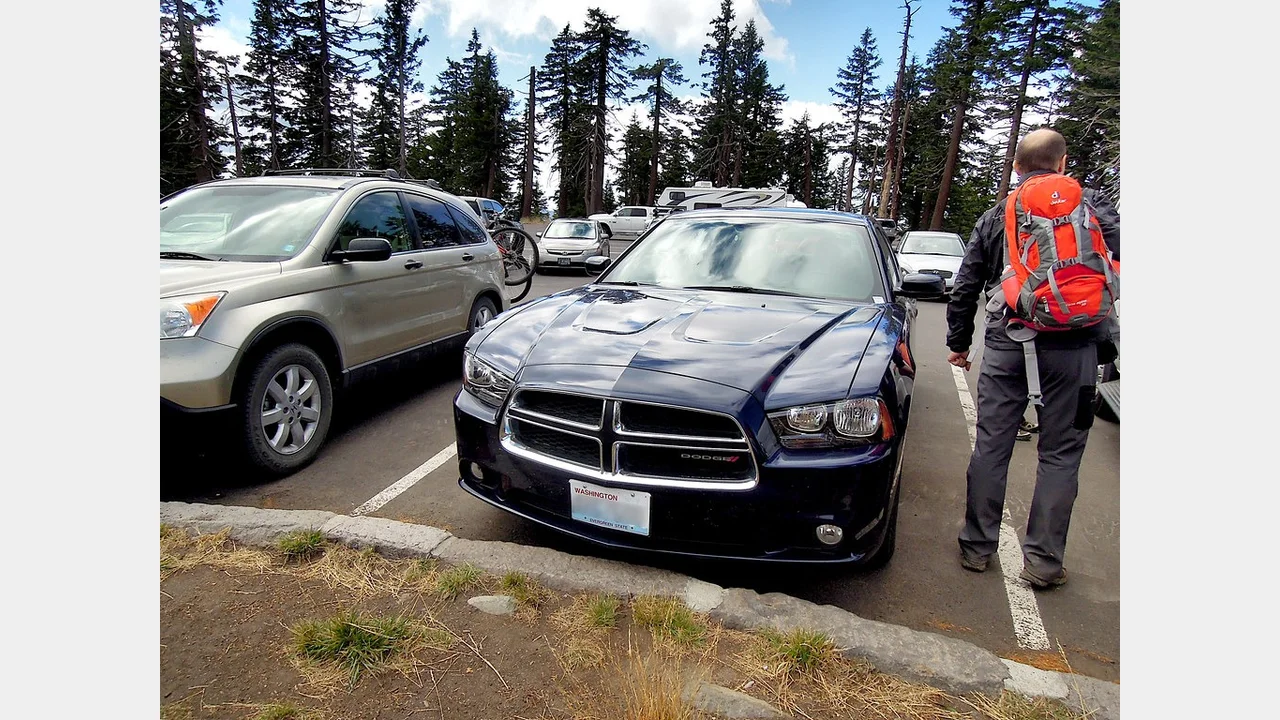
A steering angle sensor is central to stability control, traction intervention, and electronic power steering behavior on many Dodge and Chrysler models. When drivers search for a Dodge Charger steering angle sensor or a Chrysler 300 steering angle sensor, they are usually chasing a warning light, an intermittent stability message, or a steering concern that begins after alignment or column service. This article explains what the component does, where it tends to be mounted, and how a stored fault should be interpreted without assuming that the sensor itself is defective. Because several Chrysler-group vehicles share similar electronic architecture, the principles for a Charger, Challenger, 300, Dart, and Nitro overlap even when exact mounting details vary by platform and option content. The focus is a practical overview for accurate diagnosis and an appropriate next step.
Essential answer
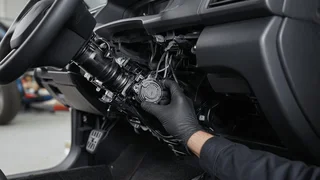
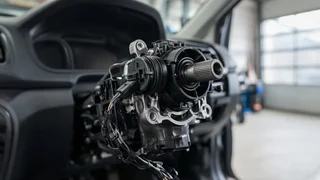
On Dodge and Chrysler vehicles, the steering angle sensor reports steering wheel position, rotation rate, and direction to modules that compare the driver's intended path with actual vehicle motion. It is often located in the steering column area, typically integrated with the clockspring assembly or mounted near the column shaft. A Chrysler 300 steering angle sensor location search reflects that the part is usually reached under the column trim rather than at the steering rack. A Dodge Charger steering angle sensor is commonly replaced or initialized as part of stability-control diagnosis because the ABS module uses its signal to judge whether the vehicle is turning as expected.
The sensor does not operate alone. It works with yaw rate, wheel speed, lateral acceleration, and steering torque inputs to support stability control, hill start assist, and active safety functions. If an alignment changes the steering wheel center or the column is separated during service, the sensor's learned center may no longer match the vehicle's straight-ahead position. A fault code for the steering angle sensor means the module received an implausible, missing, or uncalibrated signal at that moment. It is a diagnostic starting point, not automatic proof that the sensor has failed. Wiring, connectors, calibration, power supply, and module communication should be considered for models such as the Dodge Challenger steering angle sensor, Dodge Dart steering angle sensor, or Dodge Nitro steering angle sensor.
Some Chrysler-group vehicles require the sensor to be calibrated after replacement, steering wheel removal, an alignment, or certain module reprogramming events. The calibration teaches the module the true zero position of the steering wheel so that stability calculations are based on a correct reference. Without calibration, the system may disable traction or stability assistance, illuminate a warning lamp, or store a recurring code even when the sensor itself is electrically sound. This is why a new or used sensor can appear not to fix the vehicle until the proper initialization routine is completed with a compatible scan tool and the wheels set straight ahead.
Because model years and trim packages change over time, the exact physical style and communication method may differ. Some applications read the angle through the antilock brake module, while others share data across the CAN bus to the powertrain and restraint systems. The shared architecture means a converter, damaged column wiring, or poor clockspring connection can corrupt a signal that the scan tool reports as a steering angle problem. Confirming vehicle-specific wiring diagrams and module data is important before condemning the sensor, particularly when the code is intermittent or appears with other communication faults.