Do paintless dent removal on a vehicle body
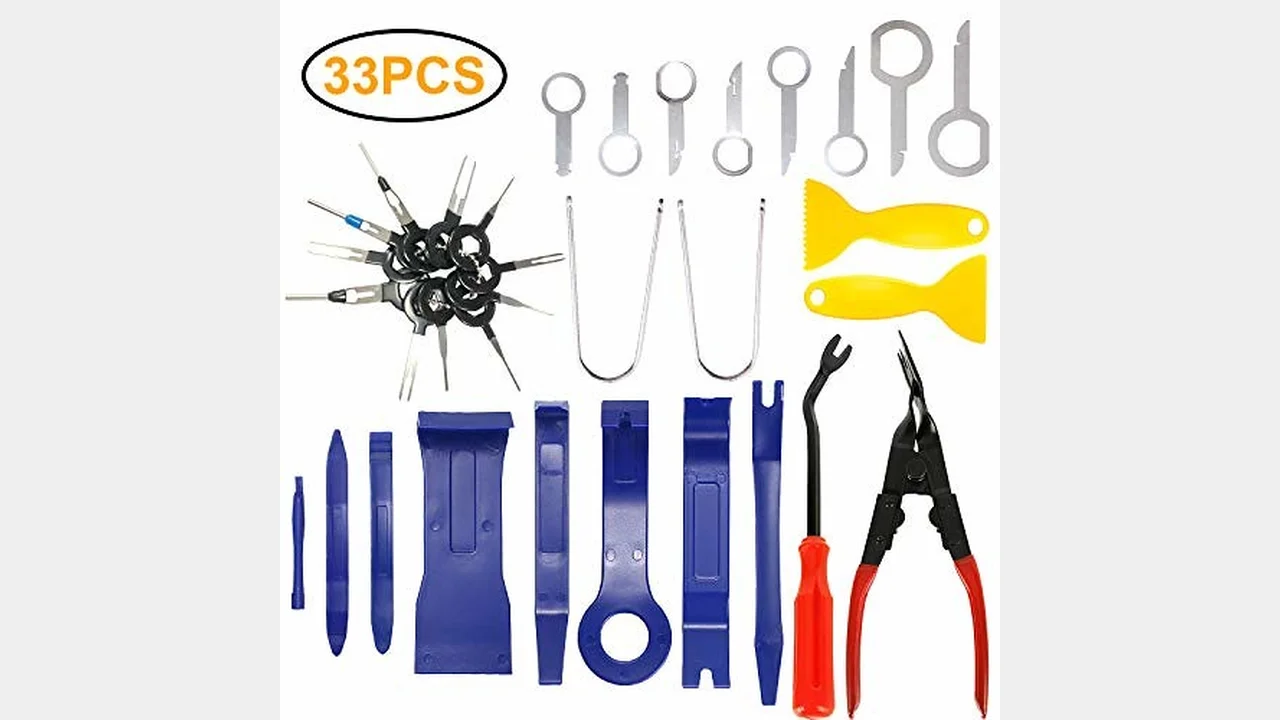
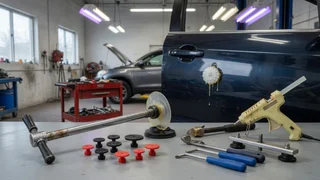
Paintless dent removal offers a way to correct many isolated dents without sanding, filling, or repainting the affected panel. The technique works by massaging the metal back toward its original contour using specialized tools and controlled pressure, often from behind the damaged area. It is most effective when the substrate material has not been stretched or cracked and the original finish remains intact. For a vehicle owner considering body repair, this method can preserve factory paint and reduce the invasiveness of the repair, but its suitability depends on dent depth, location, and the condition of the surrounding coating.
Essential answer
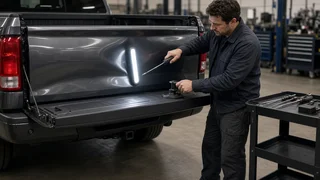
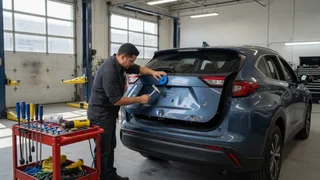
Paintless dent removal is a targeted automotive repair method that pushes or pulls a shallow dent from the back side of a body panel while keeping the factory paint layer undisturbed. The process relies on the metal's ability to return close to its stamped shape when force is applied gradually across the deformed area. It differs from conventional collision work because no body filler, repainting, or aggressive surface preparation is used, so the original coating remains as the visible outer surface. This makes it a useful option when panel alignment is still correct and the substrate material has not been deeply creased or perforated.
The scope of the method is limited by the character of the damage rather than by a single universal rule. Panels with sharp creases, split paint, corrosion, or metal that has been stretched beyond its original contour may not respond well. Accessibility also matters: a dent behind a reinforced inner structure may not allow tooling to reach the back side. On aluminum and high-strength steel panels, the repair method may require more patience because these materials can respond differently to localized pressure. Coating compatibility is another practical concern, since older or brittle paint can crack even when the underlying metal moves successfully.
Diagnosing a problem
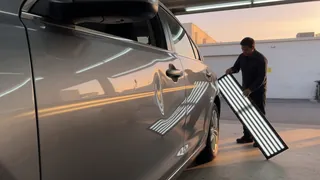
A careful visual inspection is the first step in judging whether paintless dent removal is appropriate. Run your hand lightly over the affected area to feel for a sharp ridge, and examine the surface under angled light. A dent with smooth, gradual edges and no paint fracture is generally a better candidate than one with a defined crease at its base. If the panel has been scraped to bare metal or the finish shows spider webbing, the repair may need conventional refinishing instead. Checking the back side of the panel can also reveal whether a support brace or adhesive material blocks direct tool access.
When the metal has been stretched, the surface can hold too much material to return cleanly to its original form. You may notice a slight oil-canning effect, where light finger pressure causes the panel to pop in and out. That condition suggests the substrate material has lost some of its original tension. In such cases, paintless techniques may improve the appearance but not fully restore the contour. Corrosion protection is another factor: if moisture has reached bare steel through cracked paint, addressing the dent alone may leave hidden oxidation beneath the surface, so the panel should be checked before proceeding.