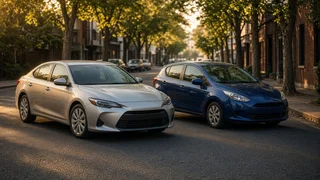
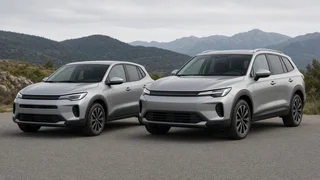
Different Car Sizes Explained: Size Classes and Where Compact Cars Fit
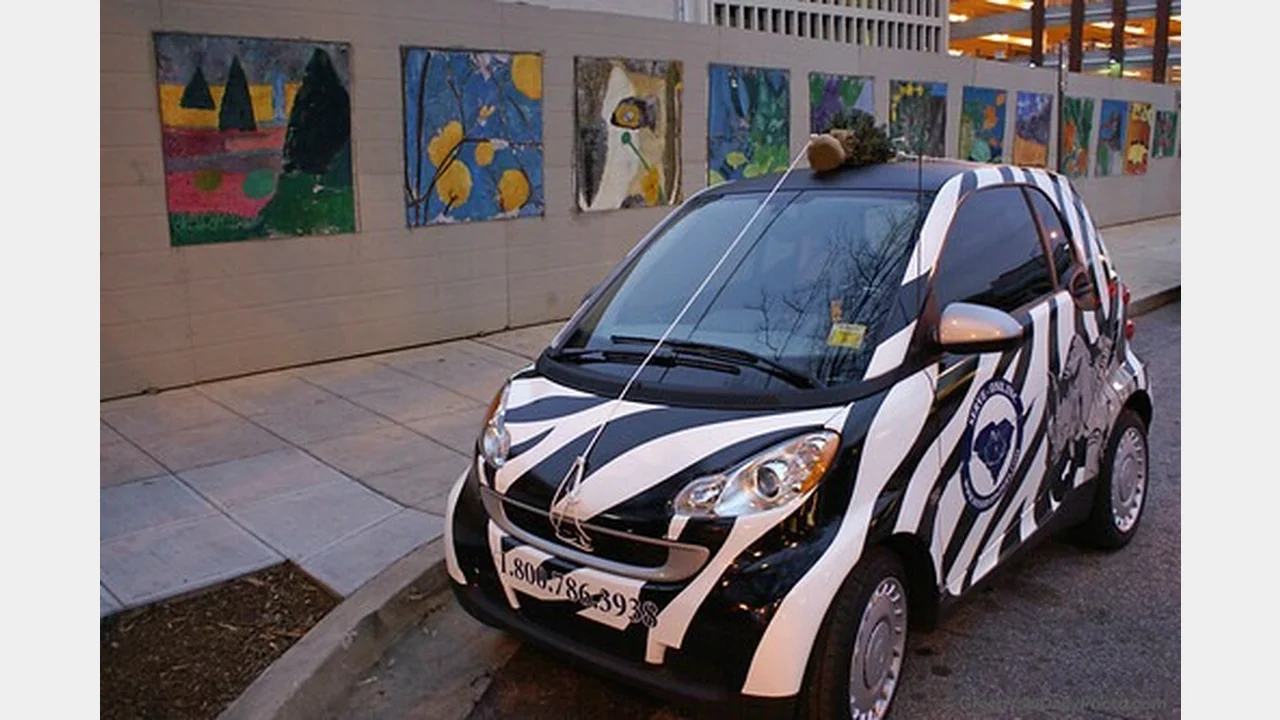
Car size labels like subcompact, compact, midsize and full-size sound like they describe how big a car looks from the outside. In the US, the most widely referenced definition is based on the space inside the car. Marketing terms and industry segments are looser. This guide explains how the main size classes work, where compact cars sit, and how body style changes what "compact" means in practice.
The short answer: how car sizes are classified in the US
The US Environmental Protection Agency (EPA) assigns passenger cars to size classes mainly for fuel economy labeling. For sedans and coupes, the class depends on combined interior volume, which is passenger volume plus cargo volume measured in cubic feet. It does not depend on exterior length, weight or price. Two cars with similar footprints can land in different classes if one uses its interior space more efficiently.
There is one qualification that changes the answer: the EPA class is only one system. Automakers, dealers, insurers and the press also talk about market segments, which group cars by price, intended buyer and competitors. A model can be called "compact" in advertising and still be placed in a different EPA class. The two systems are related, but they are not the same.
EPA passenger car size classes
For sedans and coupes, the EPA uses the following interior volume bands. The agency can revise its definitions, so check the current fuel economy label for the official class of a specific model year.
Vehicle class | Combined interior volume (passenger + cargo); Minicompact | Less than 85 cubic feet; Subcompact | 85 to 99 cubic feet; Compact | 100 to 109 cubic feet; Midsize | 110 to 119 cubic feet; Large | 120 cubic feet or more
Two-seat cars form their own class, regardless of interior volume. Station wagons are grouped separately into small, midsize and large wagon classes, with higher volume thresholds because their cargo areas are larger. Pickups, vans and SUVs fall under separate light-truck categories rather than these car classes.
What makes a car compact
Under the EPA definition, a compact car has enough combined passenger and cargo space to sit between subcompact and midsize. In everyday terms, a compact car is usually a five-seat model that can carry adults in the rear seat on shorter trips, with a trunk or hatch area suited to groceries, luggage for a couple of people, or commuting gear. It is generally easier to park and maneuver than a midsize car.
In industry and European usage, the compact market segment is often called the C-segment. Subcompacts correspond roughly to the B-segment, and midsize cars to the D-segment. These letter segments are not legal definitions. They are shorthand for groups of competing models.
How body configuration affects compact cars
Body configuration describes the overall shape and opening layout of the car. Compact models are commonly offered as sedans, hatchbacks and, less often today, coupes. The body style affects cargo access, rear-seat comfort and sometimes the size class itself, because the EPA measures interior volume.
Sedan: a separate enclosed trunk with a lid hinged below the rear window. It offers a quieter, more isolated cargo area and a traditional profile. Many compact sedans have folding rear seats, though the pass-through opening is smaller than a hatchback's. Hatchback: the rear window lifts with the tailgate, opening the cargo area directly to the cabin. With the rear seats folded, a hatchback can carry taller and bulkier items than a sedan of similar length. Because cargo volume is measured differently, a hatchback version of a model may be classified differently from the sedan version. Coupe: typically two doors with a sloping roofline. Rear seats, if present, are often tighter, a layout sometimes described as 2+2. Coupes emphasize styling and driving feel over practicality, and a compact-based coupe can fall into a smaller interior volume class than its sedan sibling.
Seating layout and practicality
Seating layout refers to how many seats a car has and how they are arranged. Most compact sedans and hatchbacks use a two-row, five-seat layout, although the middle rear seat is usually best for short trips or smaller passengers. Coupes may have four seats or, in some cases, only two. If rear-seat space matters, check the rear legroom and headroom figures for the exact model year and body style. Overall class alone does not tell you how comfortable the back seat will be.
Powertrain layout in compact cars
Powertrain layout describes where the engine or motor sits and which wheels it drives. The most common arrangement in compact cars is a front-mounted, transversely installed engine driving the front wheels. This packaging keeps the drivetrain compact and leaves more room for passengers and cargo, which helps compact cars achieve useful interior volume within a modest footprint.
Some compact models offer all-wheel drive, and some performance-oriented or premium compacts use rear-wheel drive. Hybrid and electric versions can change packaging further, for example where the battery is placed. These options vary by model, generation, trim and market, so the layout should be confirmed for the specific version you are considering.
Why sizes change across model generations
A model generation is a period during which a car keeps the same basic design and platform, usually lasting several years before a full redesign. Cars have often grown from one generation to the next as manufacturers add safety structures, equipment and interior space. As a result, a nameplate that started as a subcompact may later be classed as a compact, and some cars sold as compacts now have interiors that approach older midsize models. Smaller entry models are sometimes added below to fill the gap.
The practical takeaway is that a model name alone does not settle its size. Compare the specific model year and body style, not just the badge.
Choosing between car sizes
Use the size class as a starting filter, then decide based on how you actually use the car.
Choose a subcompact if you drive mostly in cities, park on the street often and rarely carry rear passengers. Choose a compact for a balance of maneuverability, efficiency and everyday space for a small household or regular commuting. Choose a midsize or large car if you frequently carry adults in the rear seat, take long road trips or want more cabin room. Within the compact class, pick a hatchback for flexible cargo, a sedan for a separate trunk and conventional styling, or a coupe if style and driving character matter more than rear-seat space.
When you compare models, look at the EPA size class on the fuel economy label, the passenger and cargo volume figures, and the rear-seat dimensions for the exact version you are considering. These give a more reliable picture than the marketing term attached to the car.