Diagnose Ford V10 Triton engine problems
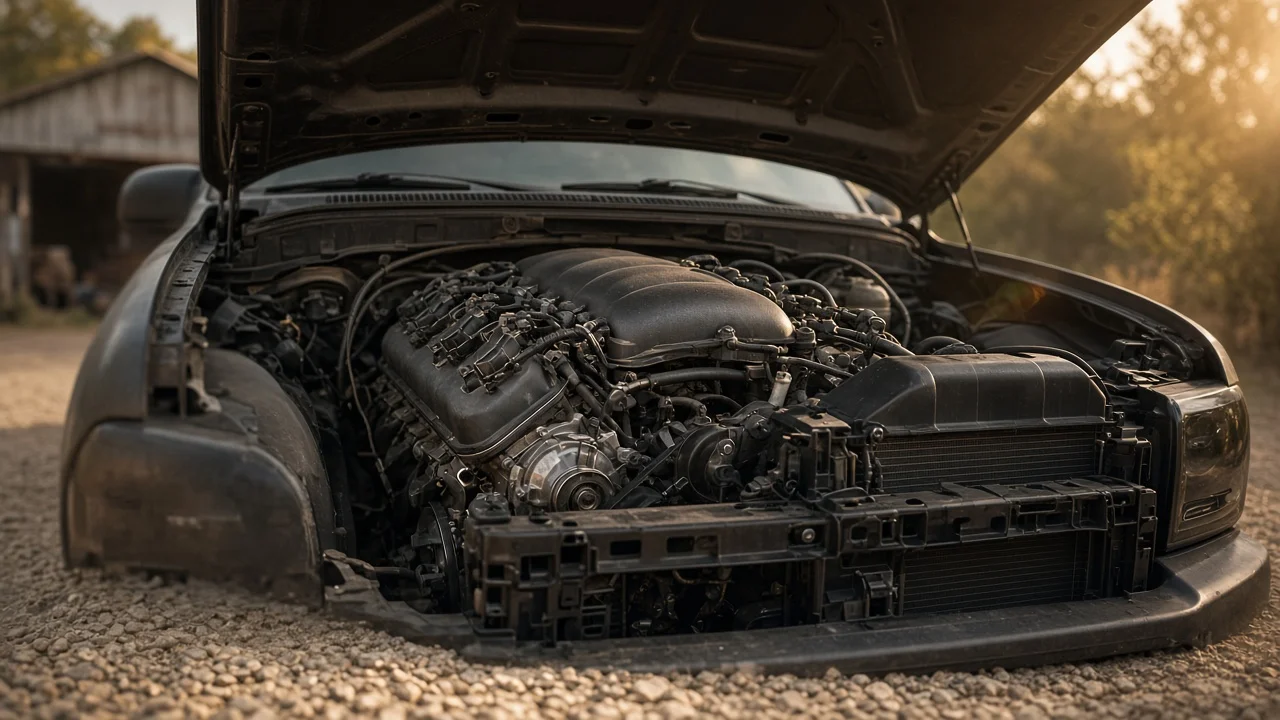
When a Ford V10 Triton begins running rough, losing power, or making new mechanical noise, the symptoms can feel overwhelming because several systems share similar warning signs. This ten-cylinder modular engine family uses common architecture across different displacements, so diagnosis depends on careful observation rather than assuming the first fault code identifies a failed part. Understanding the engine configuration, reading symptom conditions, and checking service history helps separate ignition, fuel, manifold, and mechanical causes. A structured approach narrows the possibilities before expensive components are replaced.
Essential answer
Ford V10 Triton engine problems generally trace to a few recurring areas: ignition coil failures, intake manifold or vacuum leaks, fuel delivery inconsistencies, and, in higher-mileage units, mechanical wear or oil-related concerns. The engine's overhead-cam modular design places components in locations that make some failures more likely than others. Because the firing order and cylinder numbering differ from smaller Triton V8s, using the correct diagnostic chart for the specific V10 version is essential before replacing ignition parts.
A misfire code such as P0300 or a cylinder-specific code is evidence of incomplete combustion, not proof that one coil or injector has failed. The underlying cause may be a cracked boot, poor electrical connector contact, a vacuum leak near an intake runner, or low compression in that cylinder. Before condemning a component, compare the code with visible engine condition, recent work, and whether the symptom appears only under load, at idle, or after a cold start.
Diagnosing a problem
Begin diagnosis by recording when the problem occurs and whether it is accompanied by a flashing check-engine light, rough idle, hard starting, or reduced fuel economy. A misfire under load often points toward secondary ignition breakdown, while a steady lean condition on one bank may suggest an intake gasket or vacuum hose issue. Checking freeze-frame data from a scan tool shows the engine speed, coolant temperature, and fuel trim values captured when the fault set, which helps reproduce the symptom conditions.
Listen for rhythmic ticking or a deeper knock and observe whether it changes with engine temperature or oil pressure. A compression test or running compression evaluation can separate a sealing problem from an ignition or fuel issue, but low readings require further leakdown testing to locate the source. Because manufacturer-specific codes and calibration differences exist, confirming the definition for the exact model year and calibration prevents misdiagnosis, and any severe knock, heavy smoke, or oil-pressure loss warrants stopping use until the cause is identified.