Dashcam legality when collecting collision evidence

The short answer
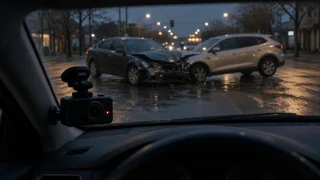
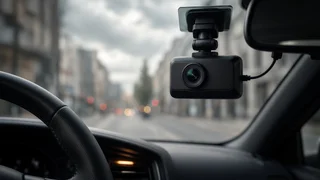
In the United States, owning and using a dashcam is generally legal, and recording the road from your own vehicle is not in itself unlawful. A dashcam is a small camera mounted in or on a vehicle that continuously records the view through the windshield, and sometimes the cabin or rear. Its footage can be useful evidence after a collision. If you are wondering whether a dashcam is illegal, the answer usually depends on three narrower questions: where the camera is mounted, whether it records audio, and how you use the footage afterward.
Qualifications that change the answer
Traffic and privacy laws are set mainly at the state level, so the same setup can be acceptable in one state and a problem in another. The following conditions matter most.
Windshield mounting: Many states restrict objects that obstruct the driver's view through the windshield. Some allow small devices only in specific areas of the glass. A badly placed camera can lead to an equipment or obstruction citation even when recording itself is lawful. Audio recording: Video of a public road is treated differently from recorded conversations. Some states require the consent of everyone in a conversation before it is recorded, while others require only one participant's consent. A cabin-facing camera or a microphone that captures passengers may therefore need disclosure or may need to be switched off. Cabin and passenger privacy: Rideshare drivers, fleet operators and anyone recording passengers may face additional state rules or employer and platform policies about notice and consent. Commercial vehicles: Trucks and buses can be subject to federal equipment rules on what may be mounted on the windshield, in addition to state law.
Using dashcam footage after a collision
Lawfully recorded footage is often accepted by insurers and can be offered in court, but admissibility is decided case by case under the applicable rules of evidence. A court may ask whether the video is authentic, unaltered and relevant. Recordings made in violation of a state's audio consent law may create legal problems of their own.
Preserve the original file. Many dashcams record in a loop and overwrite older clips, so lock or save the relevant clip promptly. Do not edit, trim or add filters to the original. If you share a copy, keep the untouched version. Remember that footage shows everything it captured, including your own speed or driving. It may be requested by the other party, their insurer or a court once a claim or lawsuit is underway. Be cautious about posting collision footage publicly before a claim is resolved, since it can affect negotiations and may raise privacy concerns for others shown in it.
What this guide cannot confirm
No confirmed source material was available for this article, so it does not state specific mounting dimensions, list the states that follow each audio consent rule, or cite particular statutes or court decisions. Those details vary by state and can change. To confirm the rules where you drive, check your state's vehicle code and recording consent law, or ask a local attorney. Your insurer can explain how it handles dashcam evidence. This article is general information, not legal advice.
Bottom line
A forward-facing dashcam that does not block your view is legal in most US circumstances and can provide valuable collision evidence. The legal risks come from improper mounting, recording conversations without the consent your state requires, and mishandling footage after a crash. Check those three points for your state and the dashcam is unlikely to be the problem.