D140 Oil Capacity: What to Know Before You Change the Oil
The short answer
The material used for this guide does not contain a verified oil capacity figure for the D140, so no number is given here. Rather than repeat an unconfirmed measurement, this guide explains what the correct figure depends on and how to find the authoritative value for your machine. An accurate capacity matters because both underfilling and overfilling can harm an engine.
Which D140 are you working on?
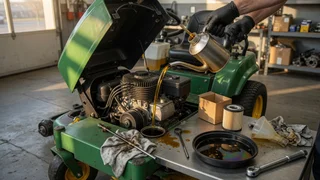
The designation D140 is most often searched in connection with the John Deere D140 riding lawn tractor, but the same alphanumeric label can appear on other equipment and vehicles. Confirm the manufacturer and full model name on the identification plate before relying on any capacity figure. A number that is correct for one D140 can be wrong for another.
Why the figure can vary
Even within a single model name, the correct oil quantity can depend on several factors. The available evidence does not document how much these factors change the figure for any specific D140, so treat the points below as things to check, not confirmed differences.
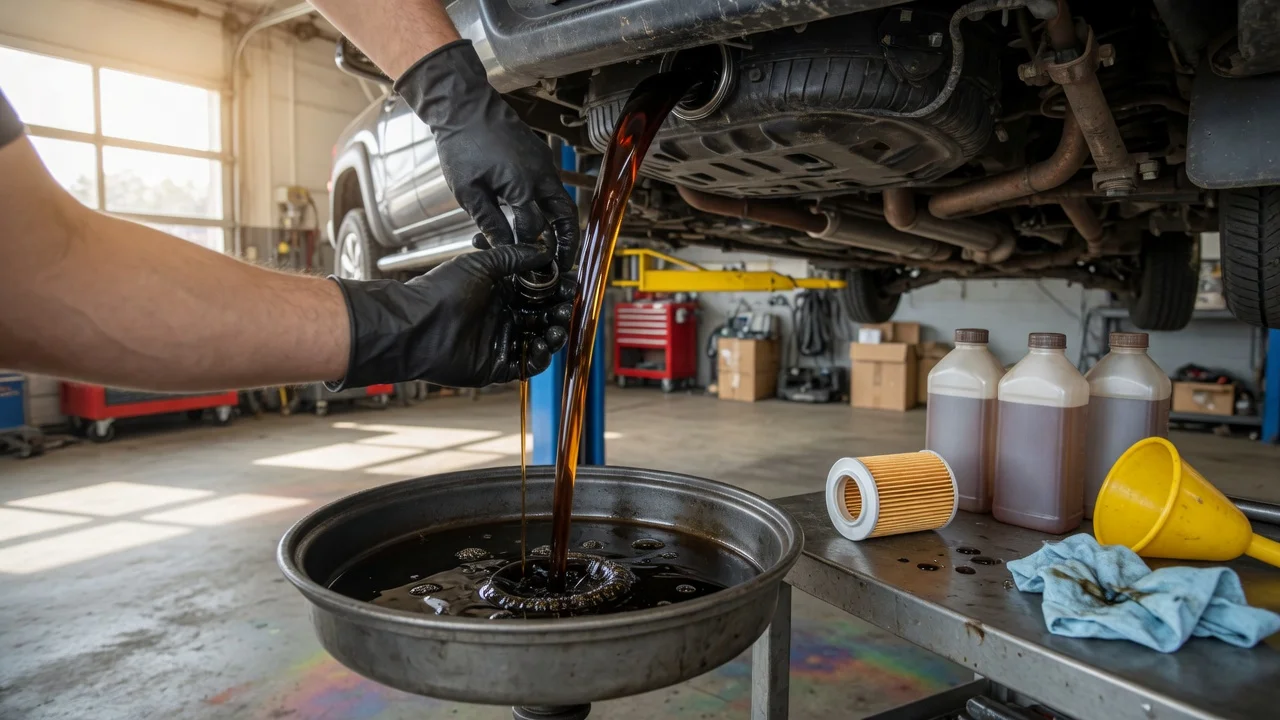
Engine fitted: machines sold under one model name can use different engines across production years or markets, and each engine has its own specification. Filter change: an engine that uses a spin-on oil filter usually takes more oil when the filter is replaced than when only the oil is drained. Residual oil: draining never empties the crankcase completely, so the amount you add can be less than the full listed capacity. Revisions: manufacturers sometimes update specifications through service bulletins or revised manuals.
How to confirm the correct capacity
Check the operator's manual for your serial number range. The specifications section normally lists crankcase capacity and the recommended oil grade. Read the engine's own label or decal. On equipment that uses a supplied engine, the engine maker's model and type numbers identify the governing specification. Ask an authorized dealer with your machine's serial number, especially if the manual is missing or the engine has been replaced. Use the dipstick as the final authority. Whatever the published figure, the reading on the dipstick after filling shows whether the level is correct.
Filling without overfilling
A common approach is to add somewhat less than the published capacity, let the oil settle, and check the dipstick with the machine on level ground. Then top up in small amounts until the level reaches the full mark. Follow the manual's instructions on whether to screw the dipstick in or rest it on the threads when checking, because that changes the reading. This is general guidance, not a manufacturer procedure for the D140, so the manual takes precedence where it differs.
Information gaps
The evidence for this guide does not include the D140's oil capacity with or without a filter change, the recommended oil viscosity, the engine options by year, or any filter part numbers. Readers who need those details should get them from the manufacturer's documentation for their exact serial number.