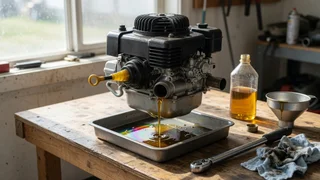
Briggs & Stratton Engine Oil Capacity: What Determines the Right Amount
The short answer
There is no single oil capacity for Briggs & Stratton engines. Briggs & Stratton builds many small engines across different families, displacements and configurations, and the amount of oil each one holds depends on the specific engine model. The correct figure for your engine is the one listed in the operator's manual or official documentation that matches its model number.
What this guide covers and what it does not
Briggs & Stratton engines are small air-cooled power units used mainly in outdoor power equipment such as lawn mowers, riding mowers, generators and pressure washers, rather than in cars or trucks. This guide explains how to identify the correct oil capacity for a given engine. It does not list per-model capacity figures, because no verified specifications were available for this article. Treat any capacity number you see online with caution unless it is tied to your exact engine model.
Why the capacity varies
Oil capacity is set by the design of the crankcase and lubrication system, which differs between engine families. Factors that change the answer include the engine's displacement, whether it is a single-cylinder or twin-cylinder design, whether the crankshaft is vertical or horizontal, and whether the engine uses an oil filter. Two engines from the same manufacturer that look similar can still require different amounts.
How to find the correct capacity for your engine
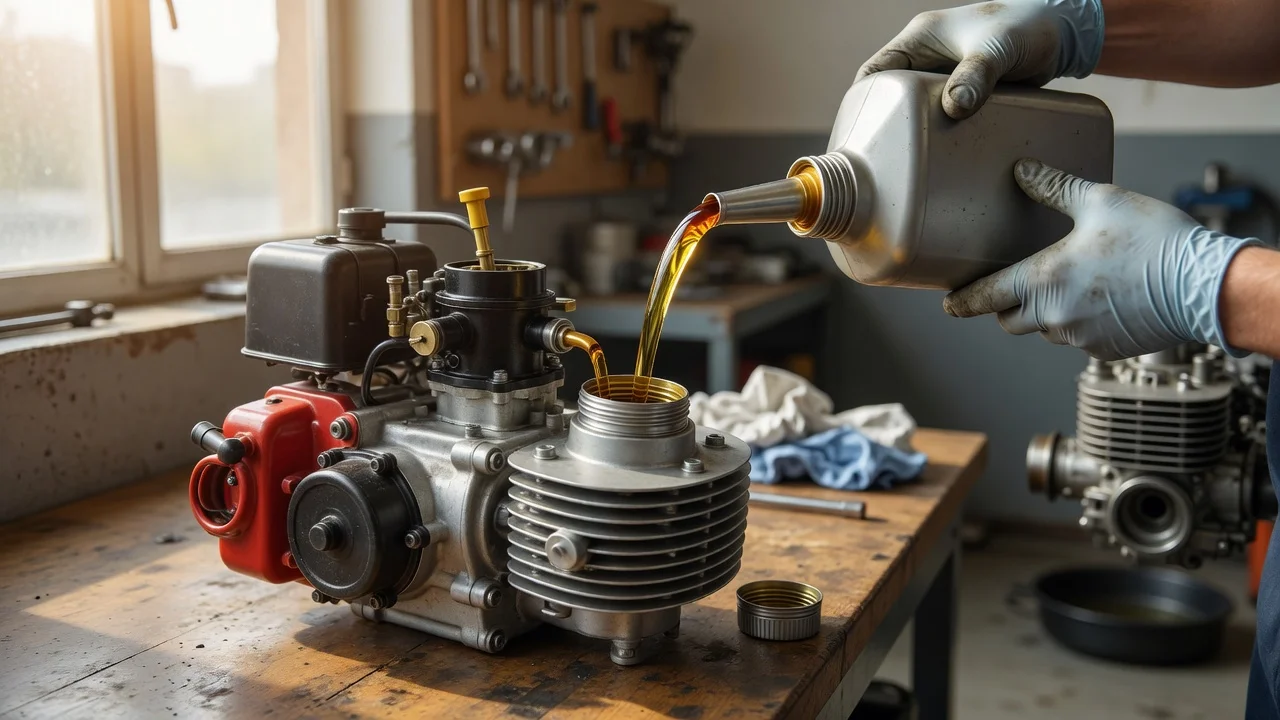
Locate the engine's identification numbers. Briggs & Stratton engines carry model, type and code numbers stamped or printed on the engine itself. Use those numbers to find the operator's manual for that exact engine, either from the paper manual supplied with the equipment or from the manufacturer's official documentation. Read the oil capacity and recommended oil type from that manual, since both are specific to the engine. When filling, add oil gradually and confirm the level on the dipstick rather than relying only on the stated capacity.
Why the dipstick matters as much as the number
A published capacity usually describes a fill after the old oil has been drained, but some oil can remain in the engine after draining. For that reason, the dipstick reading is the practical check that the level is correct. Overfilling and underfilling can both cause problems, so it is worth checking the level carefully rather than pouring in a fixed amount.
Gaps in this information
Specific capacities by model, recommended oil grades by temperature range, and differences between older and newer engine generations were not available in verified form for this guide. If you need an exact figure, the engine's model number and its matching manual remain the reliable source.