Custom chopper ignition switch
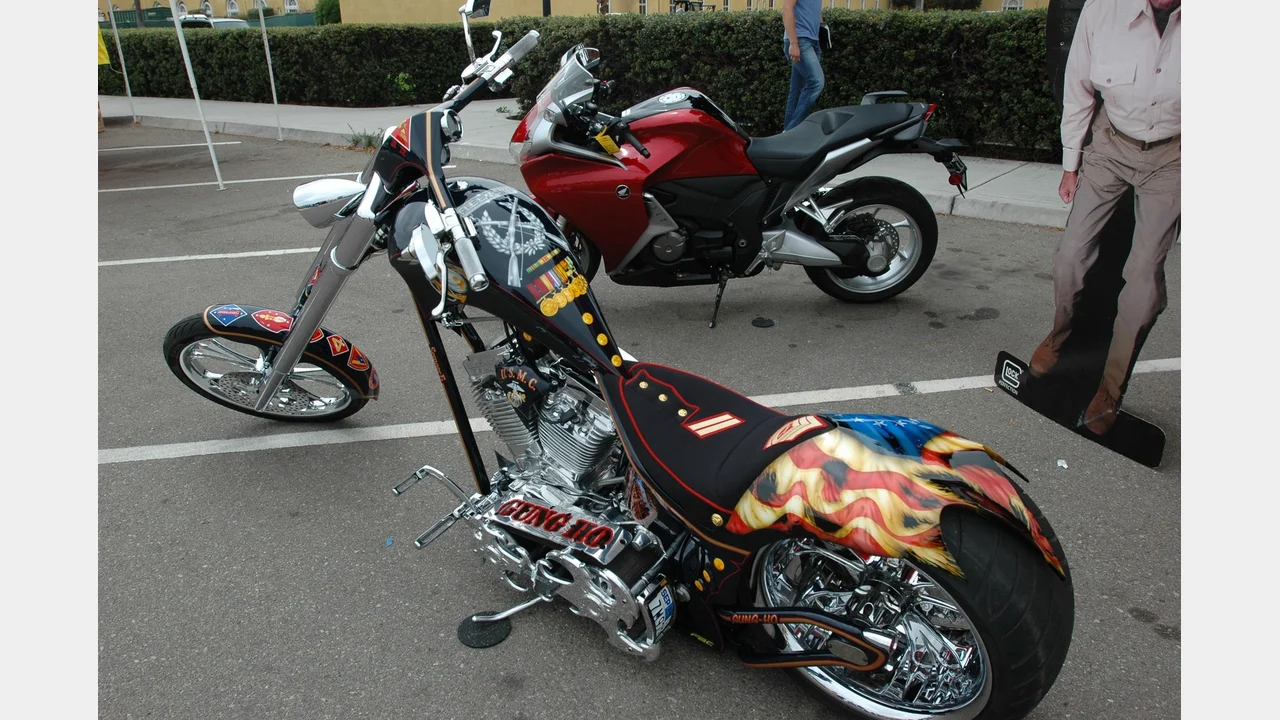
Choosing a replacement ignition switch for a custom chopper means matching the control layout to the way the bike is wired, not just picking a part that looks correct on a bench. Riders often discover the problem through slow cranking, a dead starter circuit, or accessories that work while the engine will not turn over. Because customs use simplified harnesses and varied mounting positions, the switch must support the expected battery state of charge, starter engagement, and fuel delivery behavior without creating new failure points. A practical purchase decision starts by separating the switch itself from faults elsewhere in the starting path.
The direct answer
For most custom chopper ignition switch purchases, the immediate need is a switch that can reliably open and close the correct starter and ignition circuits while fitting the existing bracket or dash opening. A replacement should first match the switch type: two-position, three-position, or momentary start, depending on whether the chopper separates run and start functions. If the old switch fails intermittently, a direct replacement with the same terminal count reduces wiring errors and preserves the current behavior of the starter circuit.
A materially different condition applies when the bike has been rewired or uses a nonstandard control arrangement. In that case, a universal switch with clearly labeled accessory, ignition, and start terminals may be the better purchase because it can follow the actual harness rather than an assumed factory layout. The switch should also be rated for the electrical load it will carry. Relying on the switch to pass high starter current directly is generally poor practice; a relay is the supported approach when the wiring passes significant current.