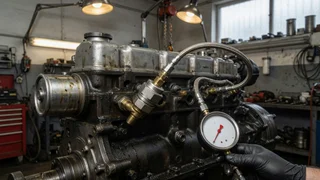
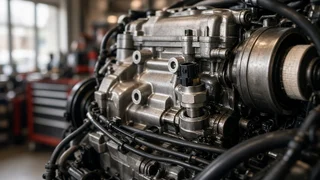
Cummins Oil Pressure Sensor Location (ISX, M11, 6.7, Oil Rifle)
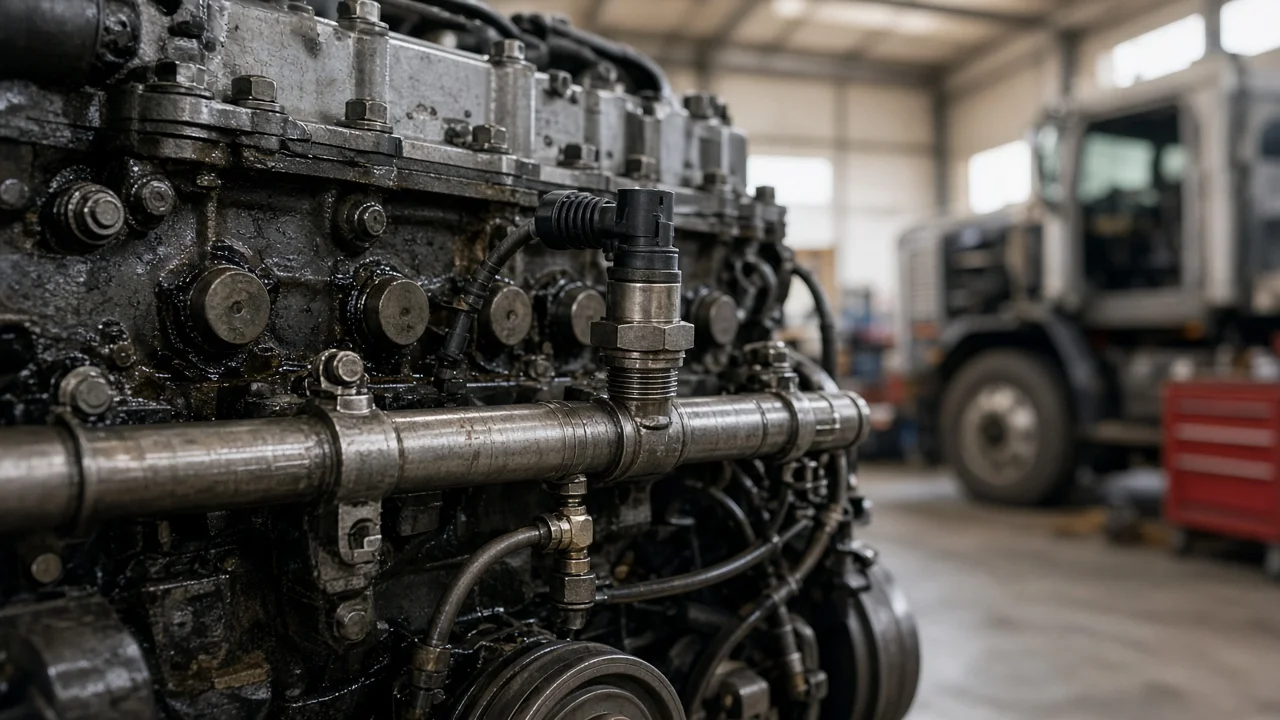
Locating the oil pressure sensor on a Cummins engine is rarely a one-answer task. The family spans ISX, M11, and 6.7 platforms, and the term “oil rifle” refers to the main pressurized gallery that carries lubricant from the pump through the block and head. A sending unit threaded into this gallery reads pressure where it matters. Because access varies by chassis, fan hub arrangement, filter placement, and emissions equipment, the correct location depends on the specific engine configuration. Engine families share the same logic: a pressure transducer or switch monitors the main oil rifle, not a small branch passage.
Essential answer
The essential answer is that a Cummins engine oil pressure sensor is installed where the main lubricant passage, commonly called the oil rifle, is accessible from the outside of the block or cylinder head. On many inline six diesels, that point is near the oil filter housing, along the intake side, or toward the front timing case. The location must expose the sensor to the primary feed gallery so it reports representative engine oil pressure rather than a restricted or isolated portion of the circuit.
Search patterns for an ISX, M11, or 6.7 oil rifle pressure sensor reflect the same practical problem: the component may be a simple pressure switch for a warning circuit or a variable transducer feeding a gauge and engine control module. Those roles can affect mounting position, wire connector style, and required clearance. When a sensor is described by its oil rifle location, the useful check is to trace the primary gallery from the pump outlet upward and rearward through the block, looking for the threaded boss with a sealed electrical connector and a short harness lead.
Identification and location
On the 6.7L Cummins used in Ram trucks, the oil pressure sensor is commonly positioned near the oil filter assembly on the left side of the block. The sending unit may point outward where the cast boss intersects the main oil rifle, making it visible after moving the intake plumbing or wiring loom. A single-pressure sensor often serves the instrument cluster, so the connector will have a weather-sealed shell that matches other underhood sensors rather than a heavy industrial gauge line.
ISX and M11 installations follow a similar gallery-access pattern but can differ by fan side, accessory bracket, and whether the engine uses a remote filter head. Because the M11 is shorter and has different block castings, its sensor boss can sit farther forward, while an ISX may place the sensor along the block's right side near the ECM heat shield. Before replacing a sensor, match the thread size, connector pin count, and pressure range, and confirm whether the fault is electrical, a loss of signal, or a genuinely low reading supported by a mechanical gauge.