Cummins N14 oil in the coolant

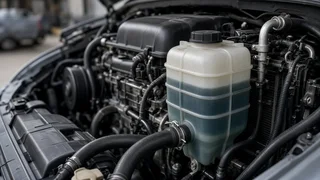
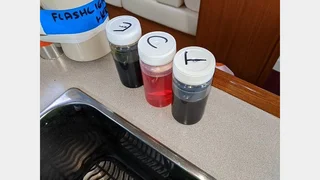
Oil appearing in the coolant of a Cummins N14 is a serious symptom that signals a failure inside the engine's boundary layers. You are seeing crankcase oil mix with the cooling system fluid, usually as a milky residue or floating droplets. This guide explains what that contamination indicates, why the cylinder head, gasket, oil cooler, or liner seals become suspect, and how you can reason through the evidence before deciding on a diagnostic path. A clear picture helps you avoid unnecessary work and protect the powertrain from further damage.
Essential answer
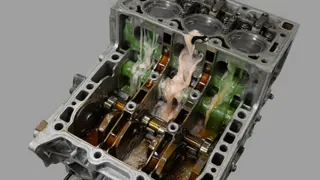
The direct answer is that this condition represents an internal leak where pressurized engine oil and the cooling system have found an open path between them. Oil normally runs at higher pressure than coolant, so a breach in a shared wall or seal pushes lubricant into the water jacket rather than coolant into the crankcase. The N14's wet cylinder liners, cylinder head gasket, and oil cooler housing are common places where those two circuits can cross under load and heat cycling. Identifying which path has failed requires comparing clean and contaminated fluid behavior before parts are removed.
When the contamination is confirmed as engine oil, the scope narrows to components that carry both fluids within a small distance. A failed oil cooler can emulsify oil into coolant quickly, while a compromised head gasket or cracked casting may show bubbles, overheating, or slow loss. The problem is not likely to be a simple external seep from a hose because coolant and oil lines rarely share a point that allows inward mixing. The essential answer is therefore a diagnosis of an internal sealing or structural failure, and the exact repair depends on the component that failed.