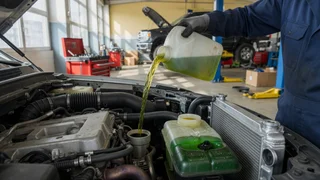
Choose Cummins Fleetguard coolant
Choosing the right coolant for a Cummins engine is less about picking a familiar color and more about matching the product to the cooling circuit’s metallurgy and duty cycle. The search for “Cummins Fleetguard coolant” usually begins because an owner wants a fill that protects against cavitation, corrosion, and scale without creating a service headache. Understanding what the product line means, how the formulation behaves in the radiator and around the thermostat, and what to verify before purchase turns a shelf decision into a straightforward maintenance choice. The following guidance separates the decision-making points that matter from assumptions that often lead to the wrong jug.
The direct answer
For most owners, the direct answer is to choose a Fleetguard coolant that is explicitly approved for the engine family and to confirm the product matches the existing coolant chemistry rather than relying on color alone. Fleetguard offers different formulations, including conventional fully formulated, nitrite-free extended life, and organic acid technology products that are not always interchangeable. The immediate decision should be based on the service manual’s coolant specification and the current fill, because mixing incompatible inhibitor packages can reduce protection even when the new fluid is a quality product.
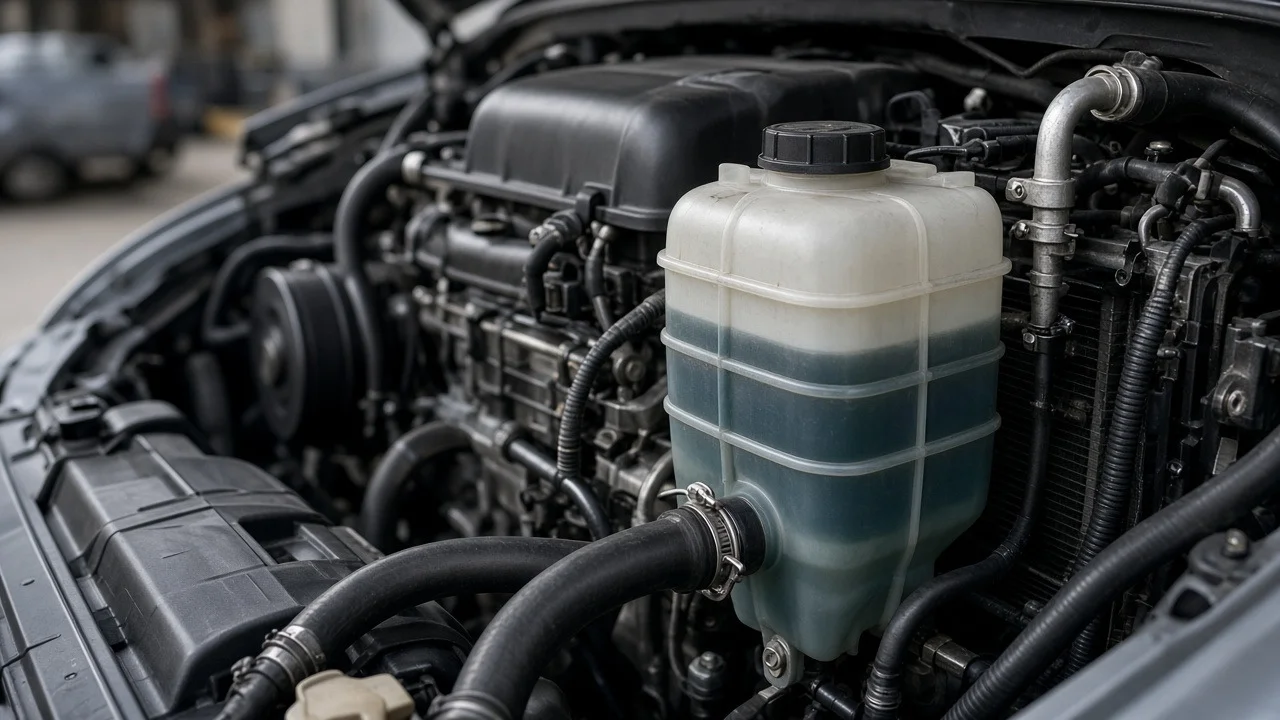
The cooling circuit works as a closed system in which the pressure cap raises the boiling point and the thermostat controls warm-up flow. Adding the wrong concentration or formulation can change heat transfer, encourage air pockets after a drain and fill, or upset the corrosion-inhibitor balance on wet cylinder liners. Before selecting a jug, note whether the engine uses a conventional or extended-life fill and whether the system has been flushed completely. That one check changes which Cummins Fleetguard coolant is the appropriate direct choice.
Choosing and buying
When buying, treat the label as a compatibility statement rather than a marketing summary. The container should identify the intended diesel engine applications, the inhibitor technology, and whether the product is a concentrate or a premixed fill. Concentrate gives control over the coolant concentration, but it must be mixed with the correct water quality before use. Premixed products reduce mixing errors and are useful when a complete drain and refill is planned, while a top-off should match the existing fluid chemistry rather than introduce a new inhibitor family into the radiator.
Total cost should include the full job, not only the jug price. A drain and fill may expose air pockets that require careful refilling, and an older system with sediment may need flushing before a new chemistry is introduced. Check the purchase decision against the cooling circuit’s condition: a pressured system that has been neglected can carry debris into a fresh fill, reducing the value of the product. Matching the product to the service interval, the existing fill, and the owner’s ability to complete the refill procedure is more important than choosing the most expensive or heavily advertised option.
Comparing alternatives
Comparing Fleetguard alternatives requires looking beyond part numbers and observing what the formulations are designed to protect. A conventional fully formulated coolant uses supplemental coolant additives that protect exposed cylinder liners from cavitation, while a nitrite-free extended-life product addresses the same concern with a different inhibitor approach. The better alternative depends on whether the engine has an existing conventional fill, operates in severe service, or is being moved to an extended maintenance schedule after a complete flush.
The radiator, thermostat, and pressure cap all respond to the heat-transfer and pressure characteristics of the fill, but they do not make the formulations interchangeable. If an owner compares two products primarily by shelf price, the meaningful trade-off may be hidden in required test intervals, water mixing requirements, or the risk of creating an incompatible blended charge. The conditional recommendation is to prefer the product that matches the engine’s current chemistry and service plan, because a slightly lower purchase price can become a larger service cost if the cooling circuit requires correction afterward.