Fleetguard Restore coolant system cleaner

Choosing a cooling system cleaner means looking beyond the bottle to how the product works in your particular cooling circuit. For anyone researching Fleetguard Restore coolant system cleaner, the practical question is whether it addresses the deposits, sludge, or reduced heat transfer you are trying to correct. A cleaner can help remove contamination before a coolant change, but results depend on the existing coolant specification, circuit condition, and how thoroughly the system is rinsed afterward. This guide explains what to evaluate before purchase and use, so the product matches the service need without creating a false expectation.
The direct answer
The immediate answer is that Fleetguard Restore coolant system cleaner is a service product intended to prepare a cooling circuit for fresh coolant by helping remove accumulated deposits, oily residue, or loose corrosion material. It is most relevant when the system shows reduced cooling performance, contaminated coolant, or a known history of neglected service. The cleaner is not a substitute for mechanical repairs, and it will not correct a failed head gasket, a stuck thermostat, or a radiator blocked by hard scale that requires physical removal. Use it as a controlled chemical step before draining and refilling the system.
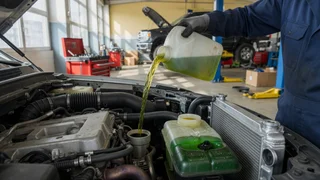
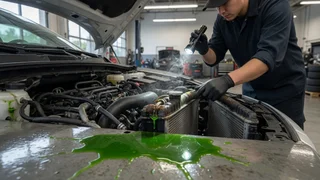
Results depend strongly on how the product is circulated. The engine must usually reach operating temperature so the thermostat opens and the cleaner moves through the radiator, heater core, block passages, and hoses. After the dwell or circulation period, thorough draining and rinsing matter because leftover cleaner can alter the new coolant concentration. Air pockets trapped during refilling can also cause false temperature readings or uneven cleaning. If the pressure cap, hoses, or radiator are already marginal, chemical cleaning may expose leaks that were previously sealed by deposits, so inspect the circuit before starting.