Cooling Performance of the Hybrid Battery Is Low: What the Warning Means and How to Fix It
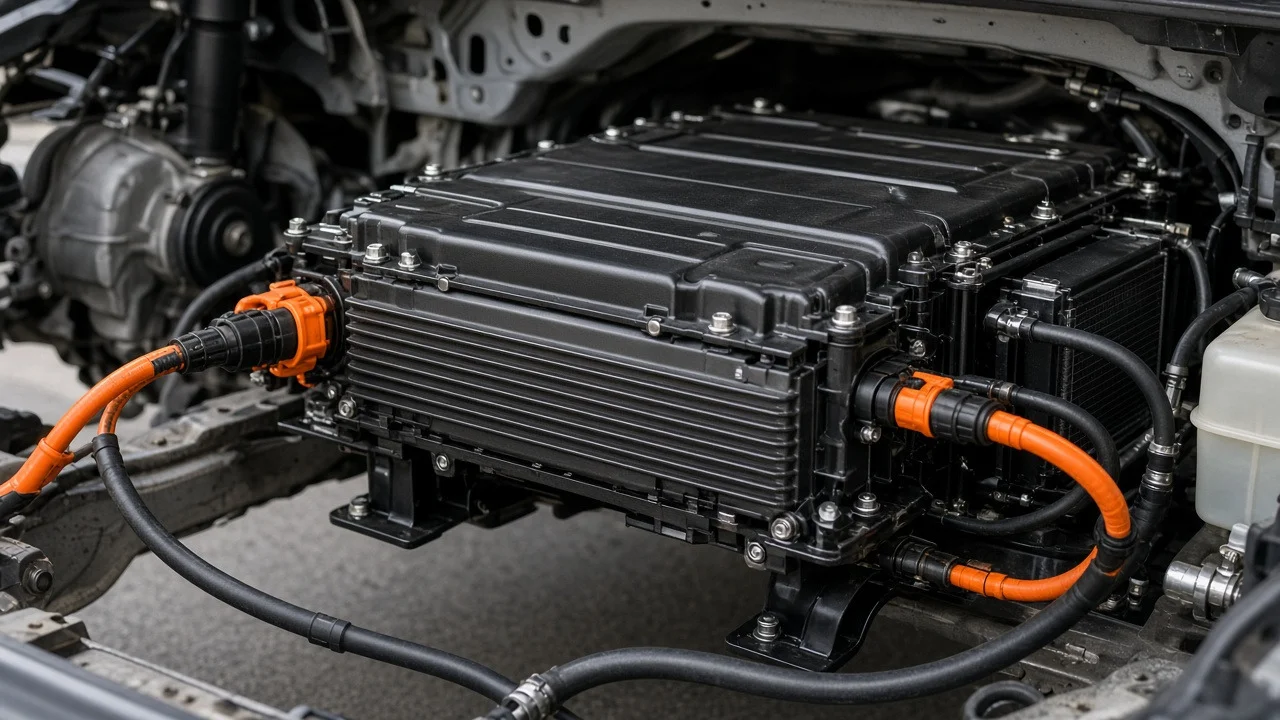
A “Cooling Performance of the Hybrid Battery Is Low” message means the battery management system has detected that the high-voltage battery pack is not rejecting heat as expected. This warning appears in several Toyota and Lexus hybrids, including Prius, Prius c, and IS300h models. It does not by itself prove the battery has failed. Instead, it points to restricted airflow, a dirty intake filter, a weak blower, or a sensor reading outside the expected thermal range. Understanding the message helps separate a simple cabin-environment issue from a developing fault in the thermal management circuit.
Direct answer
The essential answer is that this is a cooling-system performance warning, not an immediate battery-failure verdict. The hybrid control system compares battery temperature, intake air temperature, and fan operation. When the measured cooling effect falls below a predicted threshold, the message is set. The most common practical cause is restricted airflow into the battery intake, often because the vent near the rear seat or cargo area is blocked by blankets, pet covers, groceries, or accumulated dust.
A less frequent but still plausible cause is reduced airflow from a failing battery cooling blower or a clogged intake screen inside the duct. In some cases, high ambient heat and repeated hard acceleration can raise pack temperature enough to trigger the warning even when the hardware is intact. The correct response is to inspect and clear the intake path first, then observe whether the warning returns during normal driving.
Purpose and operation
The hybrid battery generates heat during charging and discharging. Battery management uses a small electric blower to draw cabin air across the cells and carry heat away. A temperature sensor reports cell temperature to the control module. If the fan is commanded to run but the expected temperature drop does not occur, the system interprets that as low cooling performance and alerts the driver.
Because the cooling circuit depends on clean interior air, the location of the intake matters. In many Toyota hybrids the vent is in the rear seat base or package shelf area. When the intake is obstructed, the blower may still spin, but the reduced air volume cannot remove enough heat. This is why a warning can appear while the fan sounds normal, and why clearing the vent often resolves the condition without replacing parts.
How to proceed
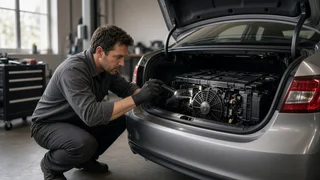
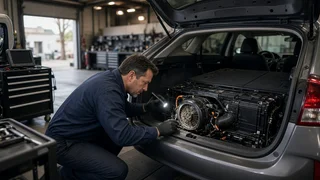
Begin with the vehicle parked and the ignition off. Locate the hybrid battery cooling intake vent, usually in the rear passenger area or cargo trim. Remove any bags, covers, or debris blocking it. If the vent grille is visibly dusty, clean it gently with a dry cloth or vacuum attachment. Avoid spraying cleaner into the vent, because moisture can enter the high-voltage battery housing.
After clearing the intake, drive normally and see whether the warning returns. If the message repeats, a clogged internal filter, a failing blower motor, or a sensor concern becomes more likely. Because the high-voltage system requires isolation before deeper inspection, further diagnosis should be left to a qualified hybrid technician. The goal of the first step is to rule out the common, safe, owner-level airflow restriction.
Understanding a problem
The warning is an interpretation of sensor data, not a confirmed diagnosis. Restricted airflow, high cabin temperature, a weak blower, and a faulty temperature sensor can all produce similar messages. A dirty cabin environment or a pet that sheds heavily can load the intake screen quickly. In those cases the code may return soon after cleaning even though the battery cells themselves are healthy.
If the warning appears only after long climbs or very hot weather, thermal load is a likely contributor. If it appears shortly after startup with a clear intake, the control system may be seeing an airflow or sensor inconsistency. Manufacturer-dependent codes and vehicle-specific test data are needed to confirm the fault. Treat the message as a request to inspect the cooling path first, then narrow the cause based on when and how often it returns.