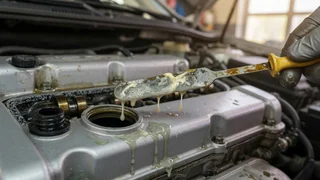
Continental engine metal in the oil
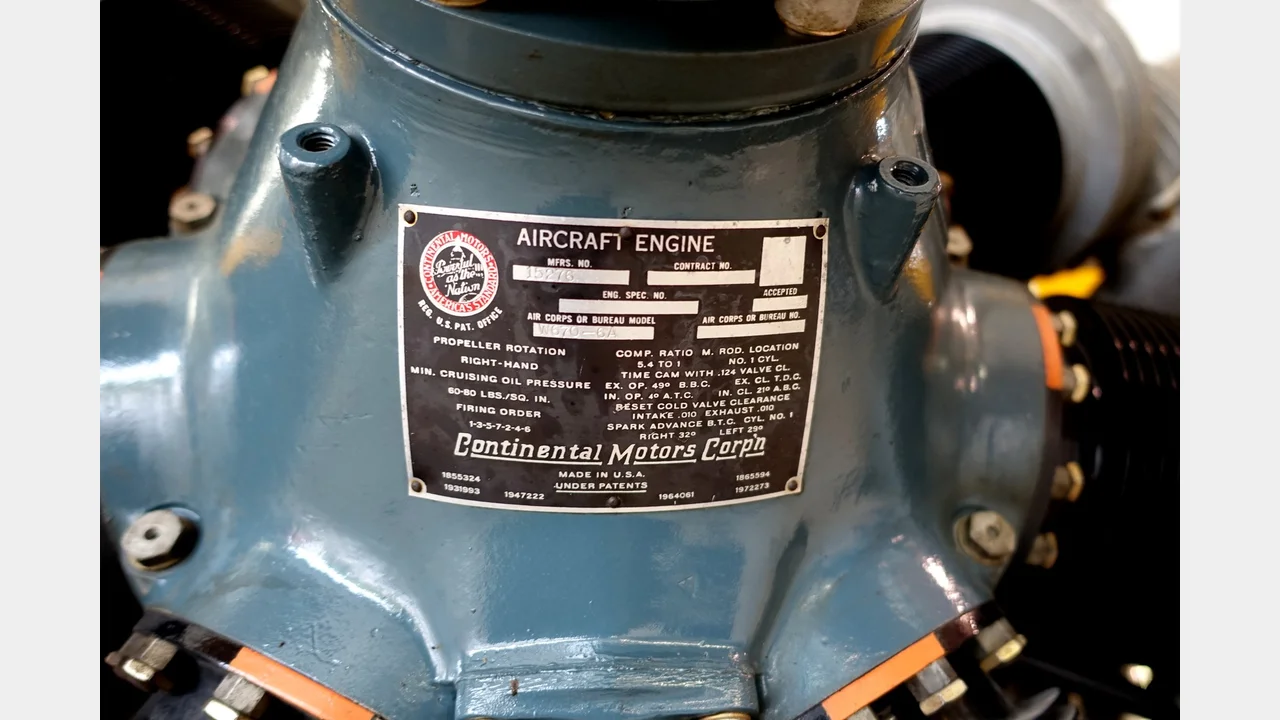
Metal particles in the oil of a Continental engine are a wear signal, not a diagnosis by themselves. The observation matters because the engine lubricant circulates through bearings, camshaft surfaces, timing components and the valvetrain, carrying evidence of abnormal contact. Glitter in drained oil, visible flakes on a magnetic drain plug, or laboratory wear-metal readings each point to a different stage of investigation. A proper first step is to compare the appearance and quantity of the metal with the oil condition and the engine’s service history before assuming a cause.
Essential answer
The essential meaning of Continental engine metal in the oil is that at least one mechanical contact surface is shedding material into the lubricant. Depending on the design, likely sources include main or connecting rod bearings, cam lobes, hydraulic lifters, timing chain guides, piston skirts, or cylinder walls. The metal’s appearance narrows the search: bright nonmagnetic flakes can suggest aluminum, copper-colored particles may point toward bearing overlay, and magnetic shavings often come from iron or steel components.
Before choosing a next step, look at the type, amount, and pattern of the particles. A trace amount on a high-mileage drain plug can reflect gradual normal wear, while an abrupt increase after an oil pressure warning or noise is more urgent. Since Continental engines appear in different applications, the first job is to identify the specific engine family and service context. The oil’s lubricant specification, fill quantity, level check, and service interval all influence how much wear material accumulates between changes.