Connecticut TNC Vehicle Inspection Requirements: What Rideshare Drivers Should Know
The short answer
If you want to drive for a rideshare platform in Connecticut, your vehicle has to meet that platform's eligibility and inspection standards as well as any state rules that apply to transportation network company (TNC) vehicles. The research behind this article did not confirm the specific current details, including how often an inspection is required, who may perform it, what it costs and which form or checklist applies. Treat this as an orientation to the topic, and confirm the specifics with your platform and the state before you rely on them.
What a TNC inspection refers to
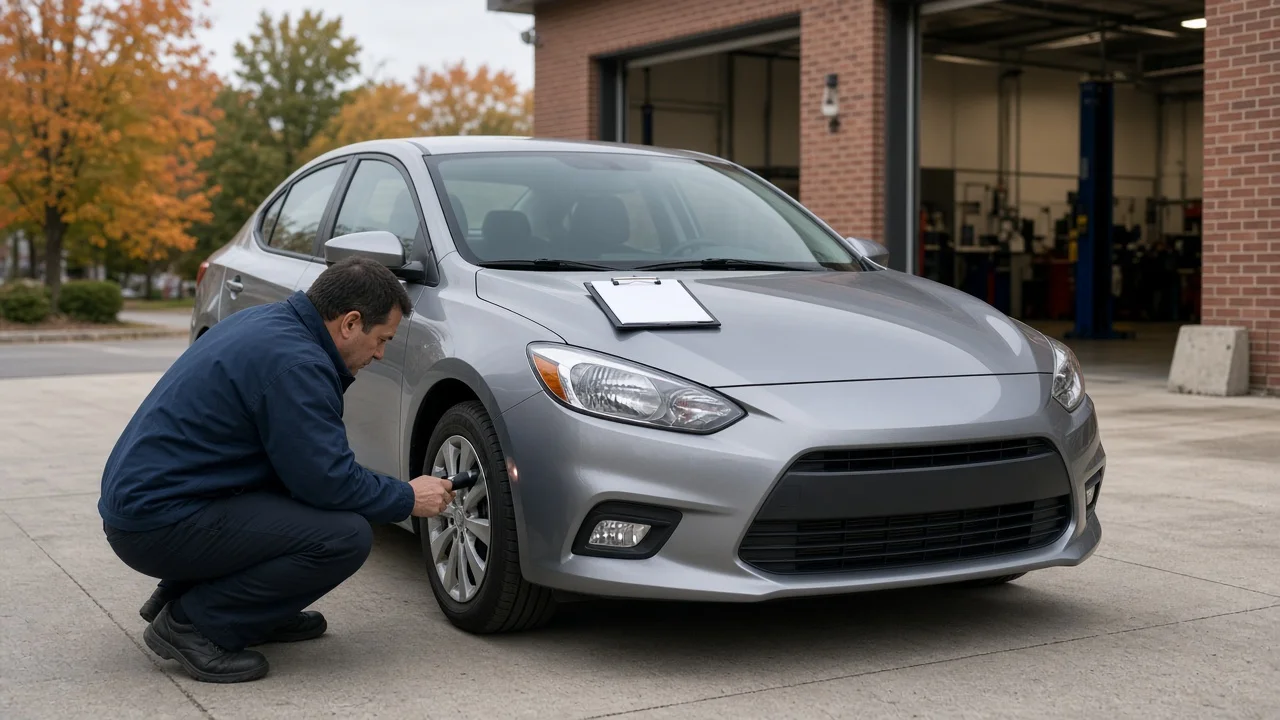
A transportation network company connects passengers with drivers who use their own personal vehicles, usually through an app. A TNC vehicle inspection is a roadworthiness check. It confirms that a personal car is in safe mechanical condition before it carries paying passengers. Inspections of this kind generally focus on safety-related components such as brakes, tires, lights, steering, seat belts, windows and mirrors. The exact checklist used for Connecticut TNC vehicles was not confirmed in the available evidence.
How it differs from other vehicle checks
A TNC inspection is not the same as the routine checks tied to registering a private vehicle, such as emissions testing. Emissions testing measures pollutant output. A rideshare inspection looks at whether the vehicle is safe to carry passengers. It is also separate from the licensing and inspection processes for taxis, livery vehicles and other commercial passenger services, which are regulated under their own rules. Passing one type of check does not automatically satisfy another.
Factors that can change what applies to you
The platform you drive for, since each company sets its own vehicle standards and inspection process. Your vehicle's model year and condition, because platforms commonly apply age and condition limits. Whether you also hold taxi, livery or other commercial credentials, which carry separate requirements. Changes to state law or regulations, which can alter what is required and how often.
Details the available information did not confirm
No confirmed evidence was available on the following points, so this article does not state them: • inspection frequency and renewal deadlines; • fees; • approved inspection locations or providers; • the official inspection form or checklist; • the minimum vehicle age or model year; • the state agency currently responsible for TNC oversight; These are the points most worth verifying directly.
Practical next step
Start with the vehicle requirements in your rideshare platform's driver account. Platforms typically list the inspection they accept and how to submit proof. Then check the current TNC rules with the Connecticut state authority that oversees rideshare services. Keep a copy of your completed inspection record with your other vehicle documents, because platforms may ask for it again at renewal.